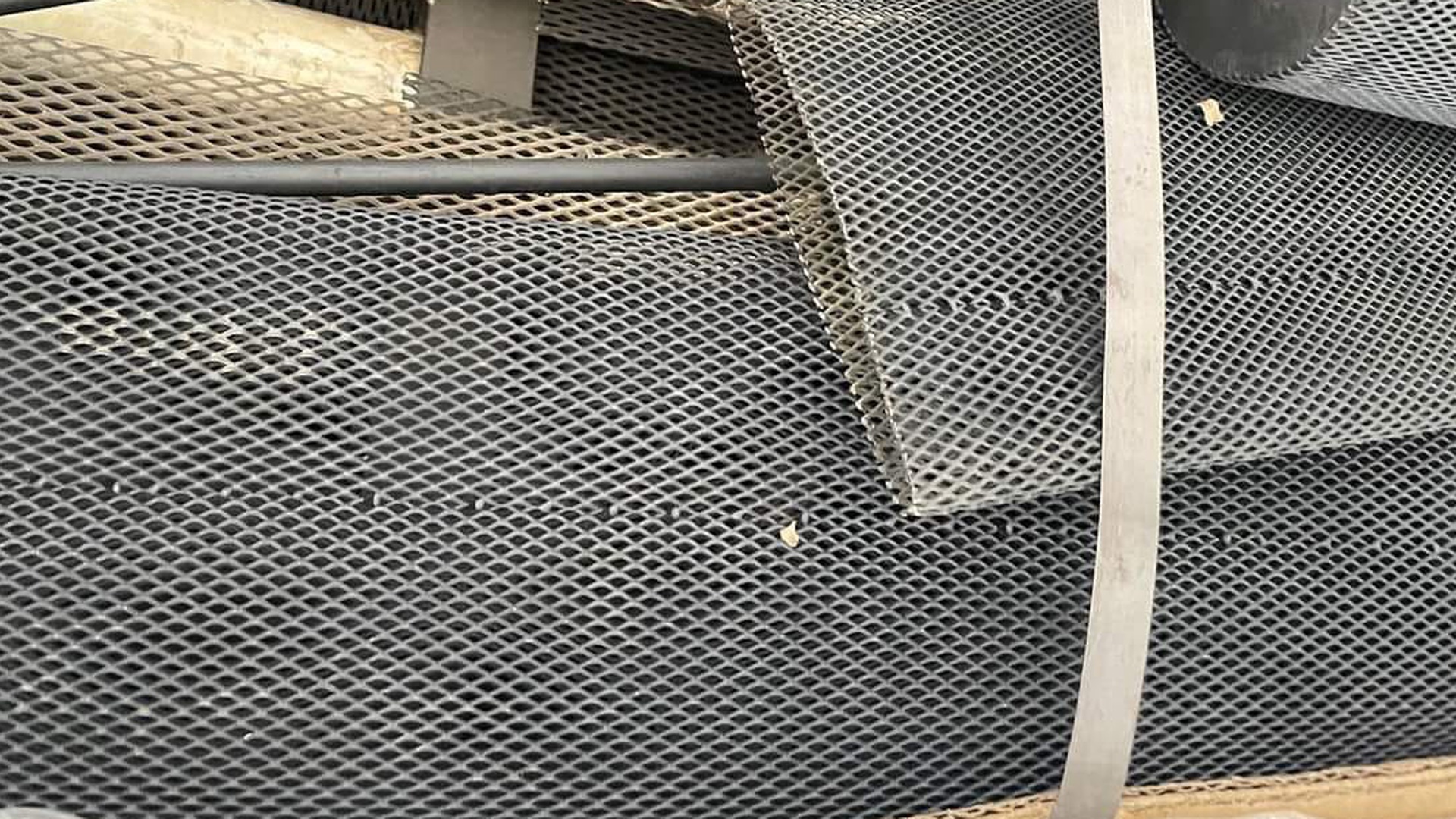
Damaged and decommissioned titanium anode assemblies are often treated as ordinary industrial scrap. Yet their inability to perform efficiently does not necessarily mean their valuable coatings have been exhausted. Severely passivated screens, broken meshes, bent plates, and retired electrode frames may still contain recoverable ruthenium and iridium precious metals essential to many electrochemical processes. Acquiring these materials allows industrial operators to recover value that might otherwise be lost through base-metal scrap disposal. A successful acquisition program combines an understanding of anode failure with targeted sourcing, representative assaying, transparent purchasing terms, and responsible material handling.
Dimensionally stable anodes, commonly known as DSAs, consist of a corrosion-resistant titanium substrate coated with a catalytic mixed metal oxide (MMO) layer. Ruthenium dioxide is widely used in chlorine-evolution applications, while iridium dioxide supports oxygen evolution and performance in demanding acidic environments. Other oxides, including titanium dioxide and tantalum pentoxide, may be incorporated to improve coating stability.
These assemblies operate in aggressive environments such as chlor-alkali electrolysis, electrochemical copper recovery, electrochlorination, and advanced wastewater treatment. Exposure to corrosive electrolytes, gas evolution, and high current densities gradually reduces their effectiveness. Some anodes fail because their active coatings dissolve, erode, or detach. Others become unusable through interfacial passivation, in which an electrically resistive titanium dioxide layer develops between the substrate and the catalytic coating. As resistance increases, maintaining production requires higher voltage and more energy. Eventually, replacement becomes necessary even though precious metals remain on the surface. This distinction explains why an electrically spent anode can still be valuable. Estimates supplied for certain retired assemblies suggest residual precious metal loadings of approximately 30%–50% of the original coating. Actual retention varies substantially, however, and must be established through testing rather than assumed based on appearance or service history. Mechanical damage creates a similar opportunity. A fractured frame or torn mesh may no longer be suitable for reuse, but the remaining coating can still justify precious metal recovery.
An effective acquisition strategy focuses on facilities that confirm use of MMO-coated titanium electrodes and have recurring maintenance or replacement needs. Chlor-alkali producers are an important source because membrane electrolysis relies extensively on coated titanium anodes. Scheduled maintenance, equipment upgrades, and cell refurbishment can generate retired assemblies, although existing recoating contracts or manufacturer take-back arrangements may control their disposition.
Electronics and printed circuit board manufacturers offer another potential channel for electrochemical copper recovery or etchant regeneration. These processes can expose electrodes to aggressive conditions that contribute to coating deterioration and passivation. Additional prospects include industrial electroplating operations using insoluble MMO anodes, electrochlorination system operators, and wastewater facilities employing electro-oxidation. Equipment verification is essential: not every electrochemical treatment process uses precious-metal-coated titanium. Electrocoagulation systems, for example, commonly consume iron or aluminum electrodes.
Maintenance managers, procurement personnel, environmental compliance teams, and equipment service providers are valuable points of contact. Authorized scrap contractors and industrial recyclers can also become sourcing partners by identifying coated titanium assemblies before they mix with general scrap. The message is straightforward: evaluate retired MMO-coated titanium for precious metal content before selling it solely by weight.
A disciplined intake process helps determine whether a lot suits refining, refurbishment, or conventional scrap recovery. Before arranging shipment, Phoenix Refining should request photographs, approximate quantities and weights, assembly dimensions, manufacturer information, and available coating specifications. Operating history adds useful context. The original application, service length, reason for retirement, and previous recoating cycles can help guide sampling and processing decisions. Sellers should also disclose chemical exposure and remaining deposits, including acidic residues, heavy-metal contamination, or cyanide-bearing material.
Coated assemblies should remain segregated from uncoated titanium and unrelated scrap. Gross weight alone is a poor measure of precious metal value: coated surface area, coating composition, and residual loading can matter more. Purchase agreements should define material acceptance criteria, ownership, sampling procedures, transportation responsibilities, and settlement terms. Samples and bulk shipments should receive advance authorization and follow the receiving facility's current instructions. These measures reduce uncertainty and protect both the seller and the refiner.
Acquired assemblies should be evaluated for two distinct pathways: precious metal recovery or substrate-preserving refurbishment. Broken, severely distorted, or structurally compromised components may be best suited to refining. Specialized processing can recover their remaining ruthenium and iridium, with titanium salvage considered where practical. Structurally sound assemblies may qualify for stripping, inspection, repair, and recoating. This approach preserves the value embedded in fabricated titanium components, including precision meshes, frames, welds, and connection features. Replacement costs can greatly exceed the value of titanium sold as raw scrap.
The supplied economic model illustrates potential refurbishment savings of roughly 45% compared with purchasing new assemblies. That figure is illustrative, not guaranteed. Actual savings depend on residual metal content, current prices, stripping and coating costs, repair requirements, and substrate rejection rates. Account for recovered-metal credits consistently to avoid overstating the benefit. Titanium's corrosion resistance does not guarantee that a used assembly remains serviceable. Dimensional checks, weld inspection, and assessments of substrate integrity are necessary before recommending reuse.
Spent anodes require careful handling, particularly when they retain process residues. Clean metal scrap may be regulated differently from contaminated industrial waste, but washing alone does not establish its legal classification. Confirm applicable waste, transportation, export, and import requirements before shipment.
Packaging must accommodate sharp edges, irregular shapes, and concentrated loads. Suitable crates, protective dunnage, secure restraints, accurate weights, and complete documentation help prevent injuries, container damage, and shipment delays. Precious metal extraction should occur only in appropriately equipped facilities that can control corrosive reagents, hazardous emissions, and process waste.
Acquiring damaged, severely passivated, and broken titanium anode assemblies is ultimately an exercise in recognizing value beyond operational failure. By combining targeted sourcing with reliable assaying and appropriate recovery pathways, Phoenix Refining can help industrial suppliers monetize overlooked assets while returning valuable precious metals and, where feasible, reusable titanium substrates to productive service.