Iridium is easy to miss in a scrap stream. It could be a tiny electrode tip in an aircraft igniter, a very small amount of platinum alloy in an implanted lead, or a thin oxide coating on a titanium anode. The component it's in may be vastly larger and vastly less valuable than the iridium it contains. That doesn't mean every used component is worth refining, though. Recovery is all about identifying the material, keeping the various things separate, recording its provenance, and then, of course, selecting a refiner who can assay and process it.
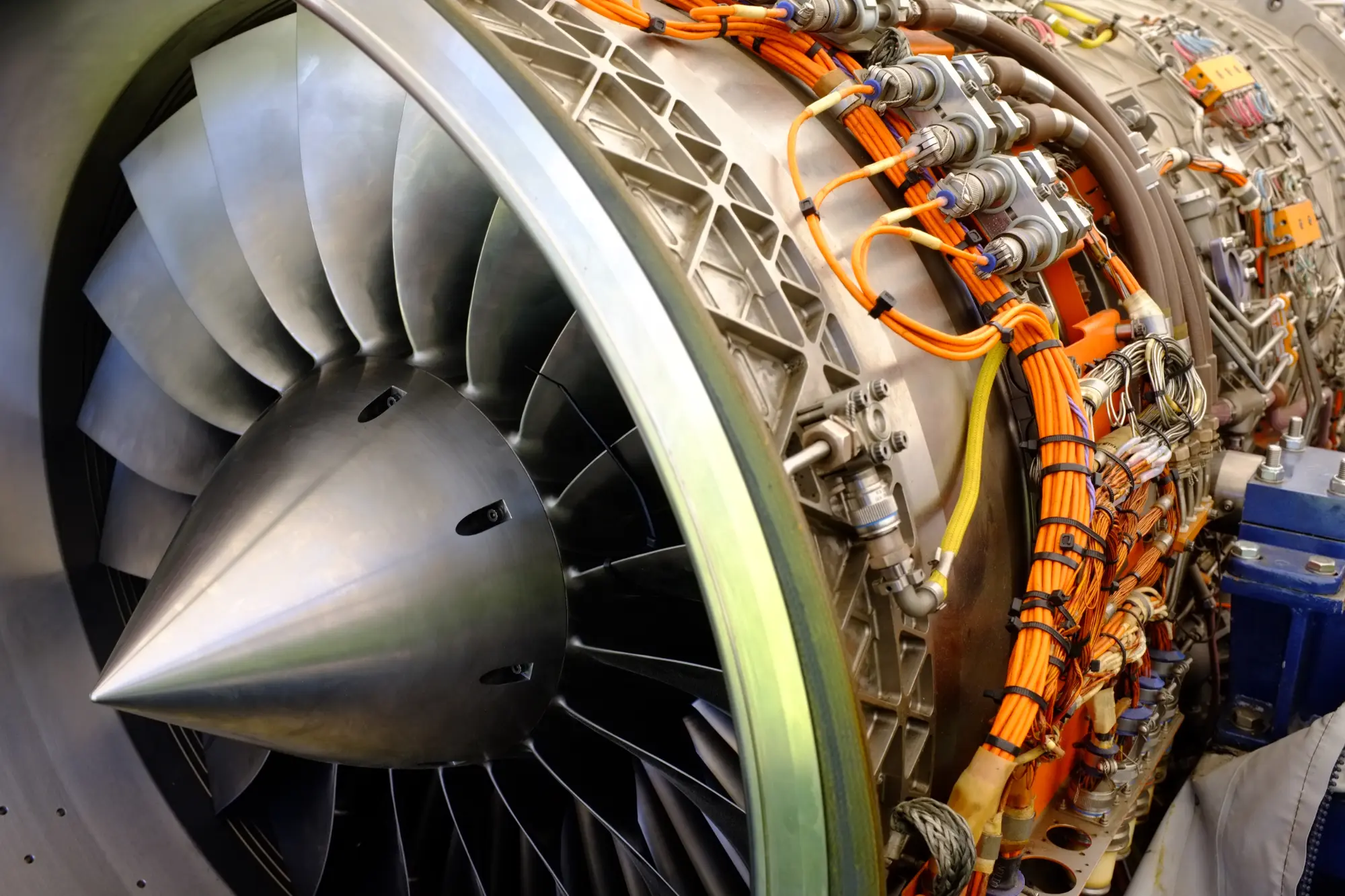
Fine wire spark plugs (used in some piston aircraft) have iridium or platinum electrodes. Some turbine igniters also have precious-metal tips. Visually, a spent plug is mostly steel, nickel alloy, and ceramic. If an MRO simply puts all the plugs they've removed into a mixed-metal bin, they're missing the opportunity to identify and recover the electrode material. First, sort by manufacturer and part number, separating fine-wire designs from plugs with essentially base-metal electrodes. The rejected inventory and removed parts are in labeled lots rather than dismantled in a general way. Maintenance and procurement records can help the refiner determine what the part is expected to contain. Still, an FAA Form 8130-3, an EASA Form 1, or a certificate of conformity is not a precious metal assay and does not guarantee recovery value. Turbine blades and vanes are another matter entirely. They can be very valuable in terms of the nickel- or cobalt-based superalloys they're made from, but iridium should not be assumed to be in them. Identify the alloy or coating before sending hot-section hardware to a precious-metal refiner. Scrapped aviation parts need to be controlled and made unserviceable, as appropriate, so they don't re-enter the aircraft parts supply chain.
Platinum-iridium (Pt-Ir) alloys combine platinum's biocompatibility and conductivity with improved mechanical properties. They can be used in various device components, including pacing/stimulation contacts, tips, and lead components. The most common alloys are 90/10 and 80/20 Pt-Ir (the actual composition will, of course, be confirmed from the manufacturer's records or assay).
For the device manufacturer and reprocessor, the settlement issue is simple: will both metals be measured and paid for? A quote based solely on platinum could miss a significant iridium component. Ask any competent refiner how they would sample the lot, report Pt and Ir separately, account for processing losses, and settle each metal. Explanted devices will require controls that manufacturing offcuts will not. Complete any required complaint investigation, post-market study, or retention period before releasing the device for destruction. Maintain device ID and lot traceability while protecting patient data. Follow a validated cleaning or decontamination procedure appropriate to the material, document its completion, and confirm the refiner's acceptance criteria before shipping. A refiner should not receive untreated biohazardous material. Generators, batteries, and other non-metal components will also have their own handling and transport requirements.
Some electrodes carry iridium as sputtered or activated iridium oxide rather than as a solid alloy. These coatings can provide useful stimulation performance while containing very little metal per individual part. Their value is therefore easy to overlook in a bin of rejected arrays or coated substrates.
A handheld XRF reading is not necessarily a good basis for valuing such a lot. Thin, non-uniform, or porous films will give a very weak signal against the much larger substrate signal. Properly calibrated thin-film XRF can help, but a generic scrapyard reading may produce a false or underestimated value. Deposition records, coating specs, representative sampling, and lab analysis can all provide a much better basis for settlement. Iridium oxide is also very difficult to dissolve using standard precious-metal processes. A specialist may be required to remove or treat the substrate, treat the resistant oxide, and then assay the material recovered. R&D labs should keep records of their coating runs and should consolidate the rejected electrodes and substrates where possible. Consolidation can make even small, low-loading items economical to assess without assuming every individual electrode has high scrap value.
Impressed current cathodic protection systems use mixed metal oxide (MMO) coatings on titanium anodes to protect pipelines, port structures, offshore facilities, and reinforced concrete. The coatings can be of the iridium oxide type (often with tantalum oxide) or of the ruthenium type. Both can appear as the same dark coating on titanium. The only reliable way to tell what the coating is is via the manufacturer's specification or purchase record. Look for specific designations such as IrO₂/Ta₂O₅, 'Ir/Ta,' or an iridium coating loading. 'MMO,' the installation environment, or a reference to a cathodic protection standard are not sufficient to define the coating.
When decommissioning tubular, wire, mesh, or ribbon anodes, keep iridium-bearing units separate from the unknown and the ruthenium-bearing material. Record the manufacturer, product designation, dimensions, and approximate quantity. Ask the prospective refiner how they want the long pieces prepared before cutting, as excessive handling can abrade the valuable coating, and cables, potting, and insulation may affect processing and shipping. Package any prepared pieces so sharp edges can't pierce the container and the coating won't shed during transit. In all four sectors, the most valuable recovery practice starts before refining: identify where iridium might be present, confirm it in the specs and through appropriate analysis, and keep a traceable lot out of general scrap.