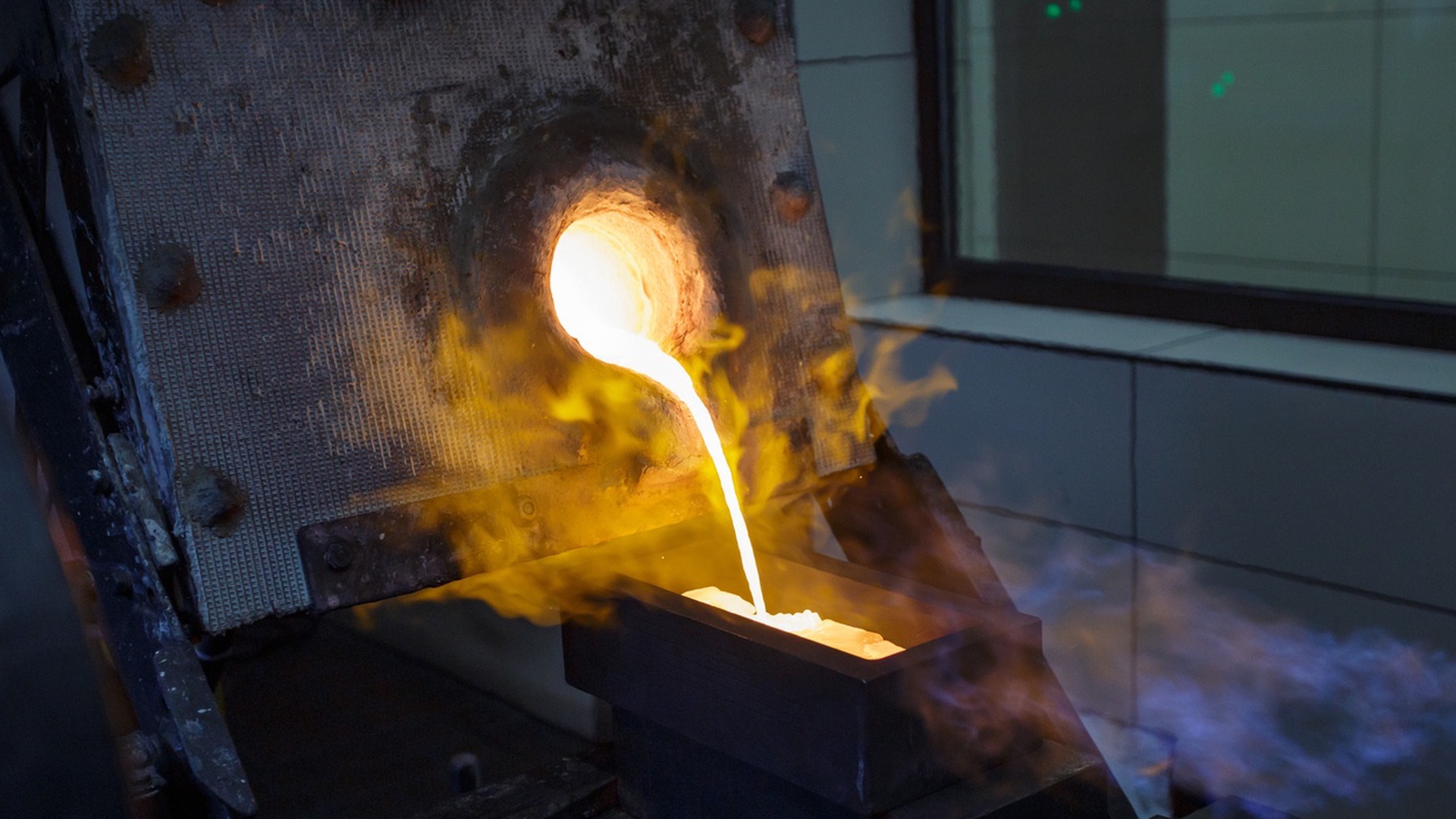
Refineries are critical to the metals industry, processing mineral concentrates into refined metals. To optimize performance while minimizing environmental impact and ensuring worker safety, refineries should follow best practices across key operational areas. Here’s a comprehensive guide based on the processes and challenges outlined:
Minimize Emissions: Deploy techniques to reduce emissions, like using sealed reactors and furnaces to control off-gases. Use targeted fume collection systems to mitigate pollutants such as SO₂, particulates, and VOCs.
Efficient Energy Use: Prioritize energy efficiency in smelting and refining. Invest in technologies that enhance energy recovery and reduce fuel consumption.
Pollutant Control: Use advanced cleaning technologies such as fabric filters, wet scrubbers, and electrostatic precipitators (ESPs) to remove dust, metal compounds, and other pollutants from process gases.
Aluminum-Specific Measures: Address PFC emissions by adopting newer technologies to reduce greenhouse gas emissions. Capture and clean gaseous fluorides using alumina filters or wet scrubbers.
Wastewater Treatment: Implement comprehensive wastewater treatment processes and recycle process water wherever feasible.
Solid Waste Handling: Manage solid waste streams, including slag, smelter dust, and cathode waste, by recycling and repurposing wherever feasible.
Contamination Prevention: Prevent contamination of land, surface, and groundwater through stringent management of spills and leaks.
Hazardous Materials: Properly handle hazardous chemicals and process gases and implement safety measures to prevent accidental releases.
Health and Safety Protocols: Implement safety measures for confined spaces and manage risks associated with high temperatures and infrared radiation.
Mitigate Noise and Vibration: Employ sound insulation and vibration-damping measures to reduce noise and vibration from equipment and processes.
Regular Audits: Conduct environmental and safety audits to assess regulatory compliance and identify areas for improvement.
Training and Awareness: Provide ongoing training for staff on best practices, safety procedures, and emergency response.
By adopting these best practices, refineries can enhance their operational efficiency, reduce their environmental footprint, and ensure a safer working environment. This holistic approach not only meets regulatory requirements but also contributes to sustainable and responsible metal production.