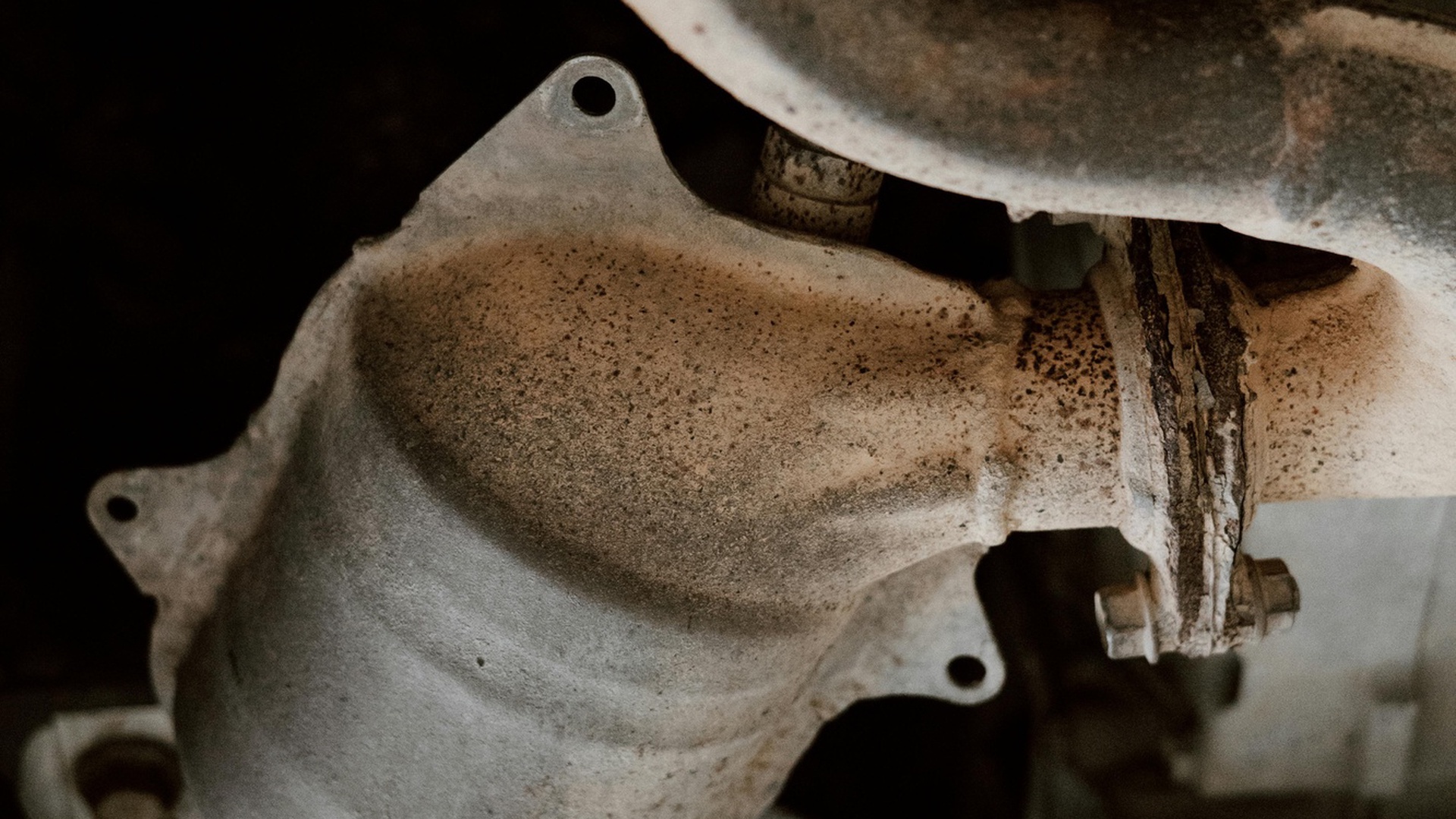
Rhodium is best known for its use in automotive catalytic converters, but many manufacturers overlook rhodium’s value in non-automotive scrap. Because the metal is rare, expensive, corrosion-resistant, and stable at extreme temperatures, it is used in specialized industrial equipment where ordinary materials fail.
When that equipment reaches the end of its life, it is often treated as ordinary scrap. In reality, worn thermocouples, spent catalysts, aerospace contacts, and glass-making equipment may contain recoverable precious metal worth far more than their appearance suggests.
One of the richest non-automotive sources of rhodium is the glass industry. High-purity glass, fiberglass, optical glass, and LCD substrate production require equipment that can survive molten glass at temperatures above 1,400°C without contaminating the product.
Platinum-rhodium alloys are commonly used in thermocouples, bushings, crucibles, stirrers, probes, and other glass-contact components. Type S thermocouples contain 10% rhodium in the positive leg, Type R contains 13%, and Type B can contain as much as 30% rhodium in one leg and 6% in the other. Even damaged thermocouple wire can therefore represent a highly concentrated precious-metal asset.
Fiberglass bushings and glass-melting hardware made from platinum-10% rhodium or platinum-20% rhodium alloys are also valuable. Although these components may crack, distort, or become coated with glass residue, they still retain their intrinsic metal value.
Chemical processing is another major source of hidden rhodium. Rhodium catalysts are used in hydroformylation, hydrogenation, amination, and specialty chemical synthesis.
Some are homogeneous liquid-phase catalysts in which rhodium exists as organometallic complexes. Others are heterogeneous catalysts in which rhodium is dispersed on carbon, alumina, silica, or ceramic supports. Once these catalysts are spent, poisoned, coked, or deactivated, they may still contain significant rhodium value. The challenge is that the metal is often chemically bound, finely dispersed, or trapped inside porous supports. That makes proper sampling and specialized refining essential before any reliable value can be assigned.
Aerospace, defense, and advanced electronics also contain recoverable rhodium. The metal is used on electrical contacts, connectors, slip rings, relay contacts, printed circuit meshes, and other components that must resist oxidation, wear, and electrical arcing.
Fine-wire aviation spark plugs are a particularly valuable stream because they often contain platinum, iridium, and rhodium alloy tips designed to withstand extreme engine conditions. Individually, these parts may seem minor. Collected in volume from maintenance or decommissioning operations, they can become a substantial source of precious-metal recovery.
Recovering rhodium is technically difficult because the same properties that make it useful also make it challenging to refine. Metallic rhodium resists ordinary acids, including aqua regia, and has a melting point near 1,966°C.
Platinum-rhodium alloys may require high-temperature melting, chemical activation, bisulfate fusion, electrolytic dissolution, or other advanced processes before the rhodium can be separated. Rhodium-on-carbon catalysts must be incinerated carefully because rapid heating can cause losses due to the volatilization of organometallic compounds. Rhodium-on-alumina catalysts create another problem. At high temperatures, rhodium can form refractory, spinel-like compounds with alumina, thereby trapping value in the slag if the smelting process is not properly controlled. This is why specialized precious-metal refiners are necessary for these materials.
The first step is recognition. Any plant that uses high-temperature thermocouples, glass-melting equipment, rhodium catalysts, aerospace connectors, fine-wire spark plugs, plating solutions, coated anodes, or high-reliability electrical contacts should consider these materials as potential precious-metal assets.
Old maintenance stock, spent catalyst drums, used furnace parts, process filters, contact scrap, and decommissioned equipment should be reviewed before disposal. Alloy certificates, catalyst data sheets, supplier records, part numbers, and maintenance logs can help determine whether a material may contain rhodium.
The second step is segregation. Rhodium-bearing material should not be mixed with ordinary steel, copper, electronic waste, ceramic scrap, or general chemical waste. Mixing makes sampling harder, increases treatment costs, and can reduce payout. Each stream should be stored separately, labeled by source and material type, and supported with any available documentation. Clean, well-segregated, well-documented material is easier to assay and usually receives better refining terms.
The third step is assay-based refining. Selling to a general scrap dealer usually means accepting a conservative visual estimate. Direct refining is different: the material is weighed, prepared, homogenized, sampled, chemically analyzed, and settled according to actual precious-metal content. Final payment is typically based on the assayed rhodium content, current market price, payable recovery percentage, treatment charges, refining charges, and any penalties for contaminants. High-grade alloy streams, such as thermocouple wire and glass bushings, often yield strong returns because they contain concentrated precious metal with relatively little waste matrix.
Rhodium is not only found in catalytic converters. It may be hidden in the tools, catalysts, contacts, and consumables that keep advanced manufacturing processes running. By identifying these streams, collecting them carefully, and working directly with qualified precious-metal refiners, manufacturers can turn overlooked industrial scrap into a meaningful source of recovered value. Worn or obsolete equipment should not be treated as waste until its precious-metal content has been properly assessed.