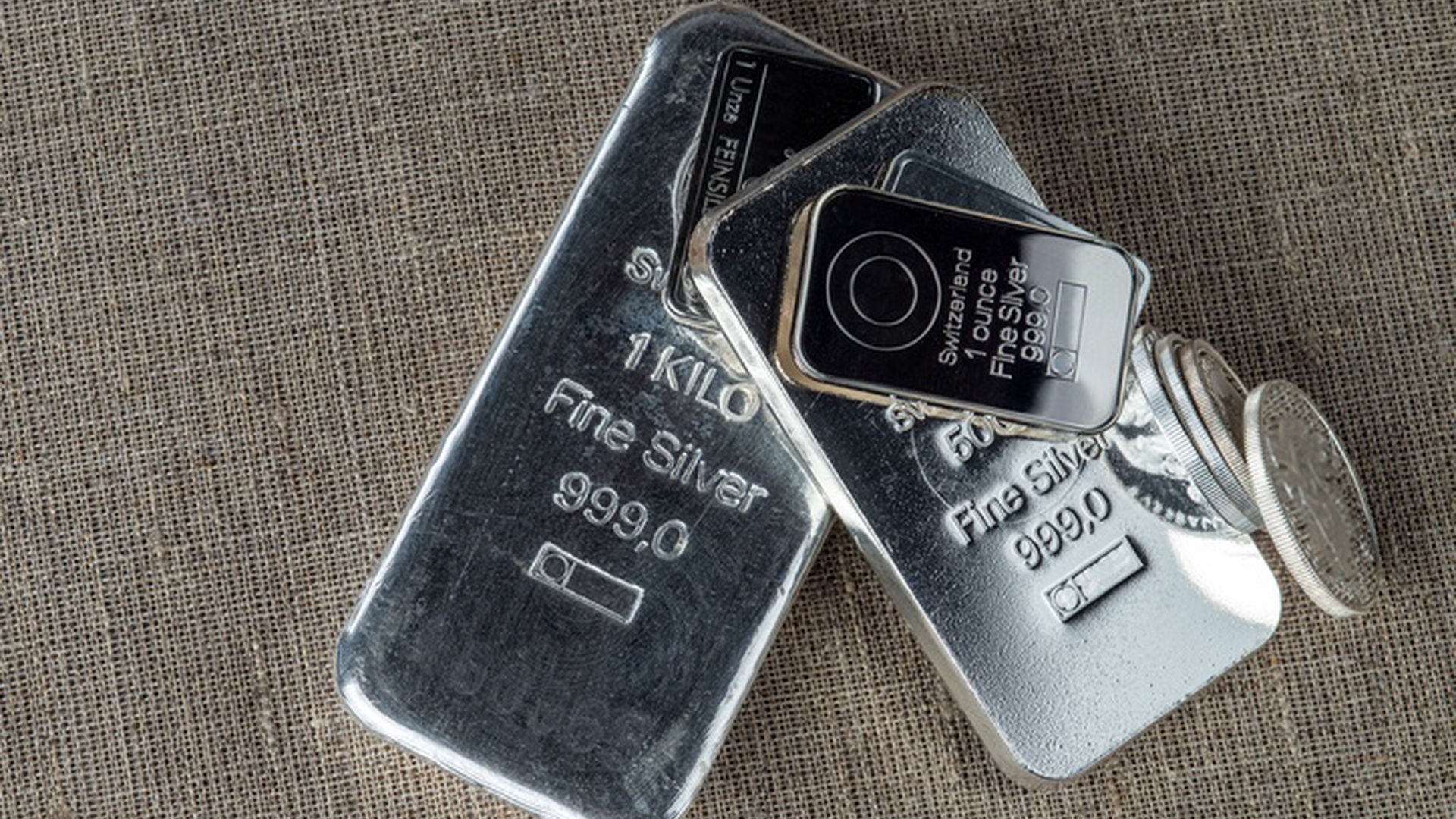
Silver has been on an astonishing run in 2025, up over 170% year-to-date and surging past $79 per ounce in December, tantalizingly close to the psychological $80 mark. The metal has dramatically outpaced gold, driven by a unique fusion of industrial utility and safe-haven appeal. As 2026 looms, the key question for investors and analysts alike is: Can silver go even higher — to $100 per ounce or more?
Analysts, CEOs, and investors are increasingly weighing in on the possibility, with sentiments ranging from cautious optimism to full-blown exuberance. Here’s a comprehensive look at the case for (and against) $100 silver.
The silver market is currently facing a significant structural supply deficit, a situation that has persisted for several years. Industry experts, including Keith Neumeyer, the CEO of First Majestic Silver, assert that this imbalance between supply and demand is enduring. Maria Smirnova from Sprott highlights a particularly troubling global supply shortage, especially in China, where robust industrial demand is driving strong demand. According to the Silver Institute, the market has been in a deficit for six consecutive years, and projections indicate that 2025 will mark one of the most severe shortfalls in this ongoing struggle.
This rising demand for silver is largely driven by its use across key sectors. The solar power industry alone consumes over 200 million ounces annually, while other areas such as electric vehicles, semiconductors, artificial intelligence development, and water purification are also demanding more silver than ever before.
Investment demand for silver has surged, with heightened interest in physical silver products, exchange-traded funds (ETFs), and futures contracts. Data from Bloomberg shows that in 2025, over 100 million ounces were allocated to Western silver ETFs. Precious metals strategist Michele Schneider notes that, even with silver prices at all-time highs, the metal still appears undervalued, especially compared to gold.
Furthermore, geopolitical tensions and macroeconomic uncertainties are amplifying interest in silver as a safe-haven asset. The impact of President Trump’s tariff strategies, escalating conflicts with China, and rising U.S. debt levels has contributed to silver’s appeal. The Federal Reserve’s rate cuts and the weakening of the U.S. dollar have further encouraged investors to gravitate toward hard assets. Saxo Bank’s Ole Hansen points out that confidence in traditional safe havens, such as the dollar and U.S. Treasuries, is waning, which, in turn, is driving demand into silver and gold. Veteran investor Peter Grandich has echoed this sentiment, acknowledging that silver is now being recognized as more than just “the poor man’s gold.”
There is a growing consensus among experts that silver’s potential could reach three-figure levels in the near future. Keith Neumeyer, a prominent industry figure, has been particularly vocal about his projections, suggesting silver could hit between $100 and $130 per ounce. He attributes this expected surge to sustained demand and a lack of investment in mining, stating that “the metal is in a structural deficit” and that triple-digit silver prices are necessary to incentivize mining companies to invest.
Philippe Gijsels, a strategist at BNP Paribas, offers a more immediate perspective, noting he wouldn’t be surprised to see silver prices exceed $100 in the near future. He believes the current rally is just the beginning of what could become one of the largest bull markets in history. Further projections come from Michael Oliver, a technical analyst at Sprott, who has suggested a target range of $100 to $200 by 2026. Meanwhile, Maria Smirnova emphasizes the potential for further price spikes driven by strained inventories and rising industrial demand.
Larry Lepard, an investor at Liberty, echoes this sentiment, mentioning that given the ongoing structural deficit, $75 by mid-2026 and $100 by late 2026 are entirely plausible outcomes. This bullish outlook resonates with retail investors as well; a recent Kitco survey found that 57% of retail traders expect silver to reach triple digits next year, reflecting shared optimism about the metal’s future.
While the bullish narrative is enticing, many analysts caution against assuming a straight path to $100. TD Securities and BMO Capital Markets both predict a moderation in prices during 2026. BMO pegs an average of $56.30, citing inventory replenishment and temporary exhaustion of industrial appetite.
TD points to a so-called “silver flood” in late 2025, during which 212 million ounces were returned to LBMA vaults after years of net outflows. This influx of physical silver may alleviate some of the scarcity pressures that drove the initial rally, potentially capping near-term gains.
Veteran technical analyst Avi Gilburt has an even more cautionary take, suggesting silver may be nearing the end of its long-term bullish cycle. “2026 probably marks the end of the current cycle,” he said. “It could trigger a multi-year correction.”
Historically, silver is a volatile asset — even more so than gold. Rapid corrections are not just possible but probable, as deep, painful drawdowns have followed past price run-ups. Prices touched $50 in 1980 and 2011 before crashing by as much as 70%. The speed of silver’s 2025 rally suggests a pullback could be severe.
Several factors contribute to a bullish outlook for silver, suggesting it remains on solid ground as we head into 2026. A weakening dollar could enhance the metal’s appeal, while anticipated rate cuts might further support its value. Additionally, ongoing geopolitical turmoil and increasing industrial usage are likely to drive demand. Structural supply deficits also play a significant role in bolstering prices higher.
However, it’s essential to consider some bearish factors as well. The market may currently be in an overbought technical condition, which could lead to a correction. There’s also the potential for inventory replenishment that may affect prices, along with the inherently unpredictable nature of market cycles.
In summary, while predicting triple-digit silver in the immediate future is uncertain, the conditions suggest that $100 per ounce is within the realm of possibility—particularly if significant catalysts like geopolitical shocks, a devaluation of the dollar, or supply chain disruptions come into play. Despite the potential for volatility, with sharp price movements and corrections, silver’s dual role as a critical industrial asset and a store of value indicates a promising future. Investors should remain vigilant; if silver’s upward trajectory continues, we could view today’s sub-$80 prices as a rare buying opportunity in a once-in-a-generation rally.