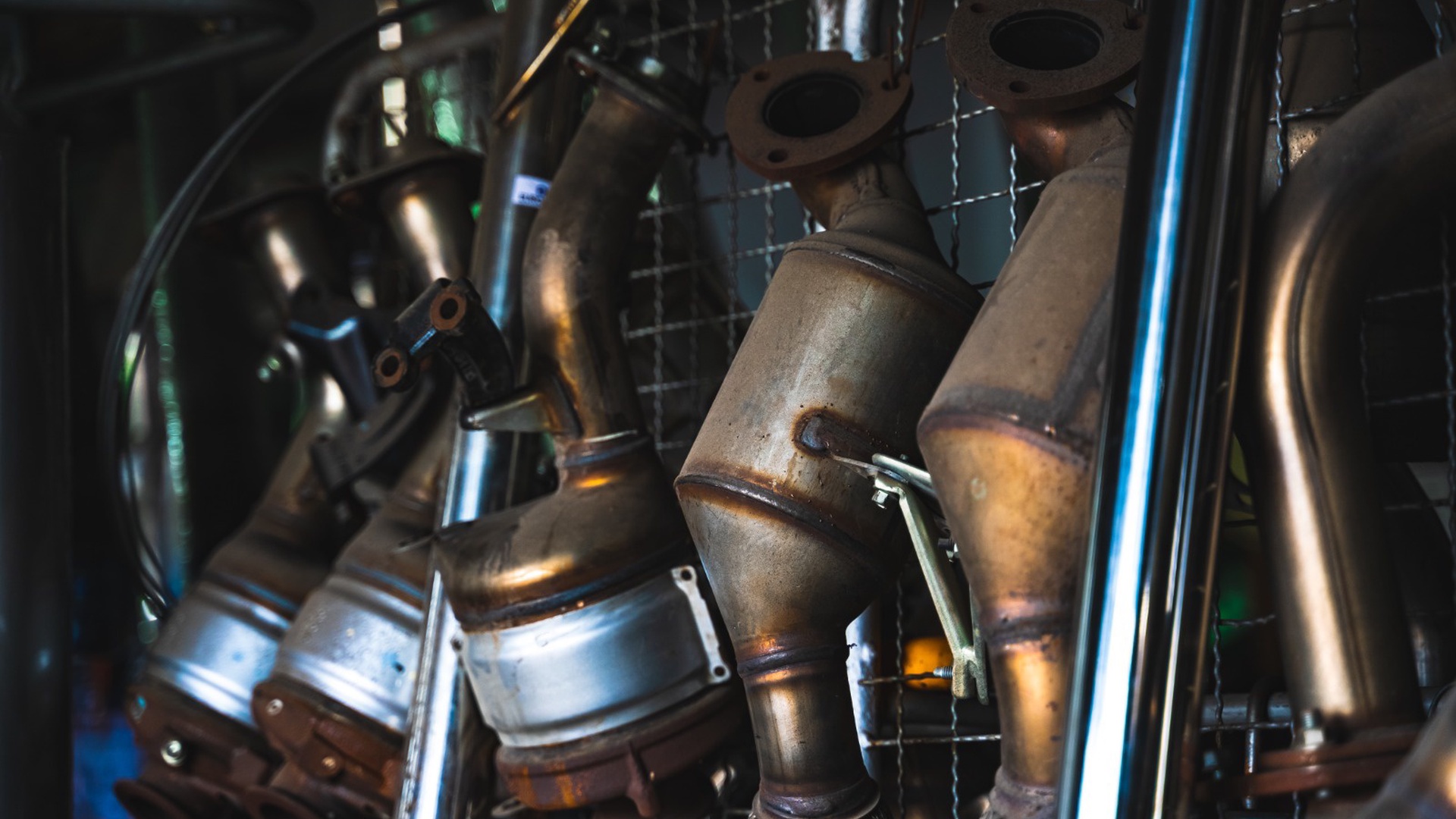
Replacing a catalytic converter creates a decision that is easy to overlook after the vehicle leaves the bay: Should the shop return the old unit for a supplier's core credit, or sell it to a scrap buyer? The answer can change the profit on the repair order. It also depends on something more basic than price: whether the shop has the right to dispose of the customer's old part. A service manager does not need to forecast precious-metal markets to make a sound choice. The job is to compare two amounts available for the specific converter removed: the credit the supplier will actually issue and the net proceeds a recycler will actually pay. Neither a blanket "return every core" policy nor a blanket "scrap every converter" policy will consistently produce the better result.
When a replacement converter carries a core charge, the supplier adds a deposit to the parts invoice and refunds it if an eligible old unit is returned under its terms. The supplier sets the amount; it does not necessarily reflect the old converter's precious-metal value. Some replacement converters have no core charge at all.
That distinction matters most when a shop removes an original-equipment manufacturer (OEM) converter. Its ceramic or metallic substrate contains platinum, palladium, and rhodium, which can retain value even when the converter no longer performs adequately. A supplier might offer a $75 core credit for a unit, while a recycler offers $140. If the shop is entitled to sell it, taking the scrap offer would leave it $65 ahead of returning the core. The reverse can happen with a previously installed aftermarket converter. Many aftermarket units contain less recoverable precious metal than comparable OEM units. If the supplier will issue a $50 core credit but a recycler offers only $15, returning the old unit puts the shop $35 ahead. OEM versus aftermarket is therefore a useful starting point, not a substitute for a quote.
The service manager's calculation is: net scrap proceeds minus available core credit. Net scrap proceeds mean the recycler's offer after any shipping, pickup, processing, or other selling costs. If the result is positive, scrapping pays more; if it is negative, the core return pays more. A small positive result may still favor the simpler, more certain core return once staff time and the risk of a revised scrap quote are considered.
For example, suppose an identifiable OEM converter has a $150 core credit and a firm net scrap offer of $850. Selling it produces a $700 advantage over returning it. The shop does not collect both amounts: choosing scrap means giving up the credit. On another repair, a $75 credit and a $140 net scrap offer produce a more modest $65 advantage. For a low-value aftermarket unit with a $50 credit and a $15 scrap offer, returning the core is the clear choice. These numbers illustrate the method, not current prices for any particular vehicle. Before treating the core credit as guaranteed, check the supplier's return deadline and acceptance rules. A mismatched unit, damaged housing, or missing internal substrate may be rejected. Similarly, ask the scrap buyer whether its price is firm or subject to inspection. A converter with an illegible identification code or missing material may bring less than an initial estimate.
The best time to decide is while the removed converter is still tied to its repair order. Have the technician note whether it appears to be OEM or aftermarket, photograph its markings, and record any visible damage. The stamped code, clear photos, and vehicle information can help a recycler identify the unit and provide a meaningful offer. Because metal prices and buyer terms change, an old price list is less useful than a current quote for the actual part.
The front office should then check the replacement-part invoice for a core charge and confirm the supplier's return terms. If there is no core charge, there is no supplier credit to compare, but the shop still needs to establish ownership of the removed converter and comply with applicable rules before selling it. That ownership question should not be left until pickup day. The old part came off a customer's vehicle, and removing it does not automatically entitle the shop to its scrap proceeds. Explain how old parts and any core charges will be handled on the estimate or repair order, address a customer's request to keep the unit, and document the agreed disposition. If the customer keeps a converter that the supplier expected back, the resulting core cost must be handled transparently.
Converters are valuable, regulated items. State and local anti-theft laws may require records connecting a scrap sale to the source vehicle and repair. Buyers may request the shop's business information, the VIN, and supporting repair documentation. Federal aftermarket-converter guidance also includes recordkeeping and, where applicable, 15 days for retaining a tagged removed converter. Confirm the requirements for the repair and location before transferring a unit. Keep converters tagged and secure while they are on-site. The accounting needs the same attention as the physical part. Track each core charge against its repair order and confirm that a returned unit produces the promised supplier credit. If the shop sells the converter instead, recognize the lost core credit as a cost of that job and record the scrap payment separately. Otherwise, an apparently lucrative sale can hide an unreconciled deposit.
The practical rule is straightforward: return the unit when the confirmed core credit is worth more; consider scrap when a documented net offer is meaningfully higher. Making that comparison routine turns the old converter from an afterthought into a managed part of the repair's margin. For shops evaluating the scrap option, Phoenix Refining purchases scrap catalytic converters. A service manager can request an offer for an eligible unit, compare the net amount with the supplier's core credit, and choose the route that makes financial sense for the shop.