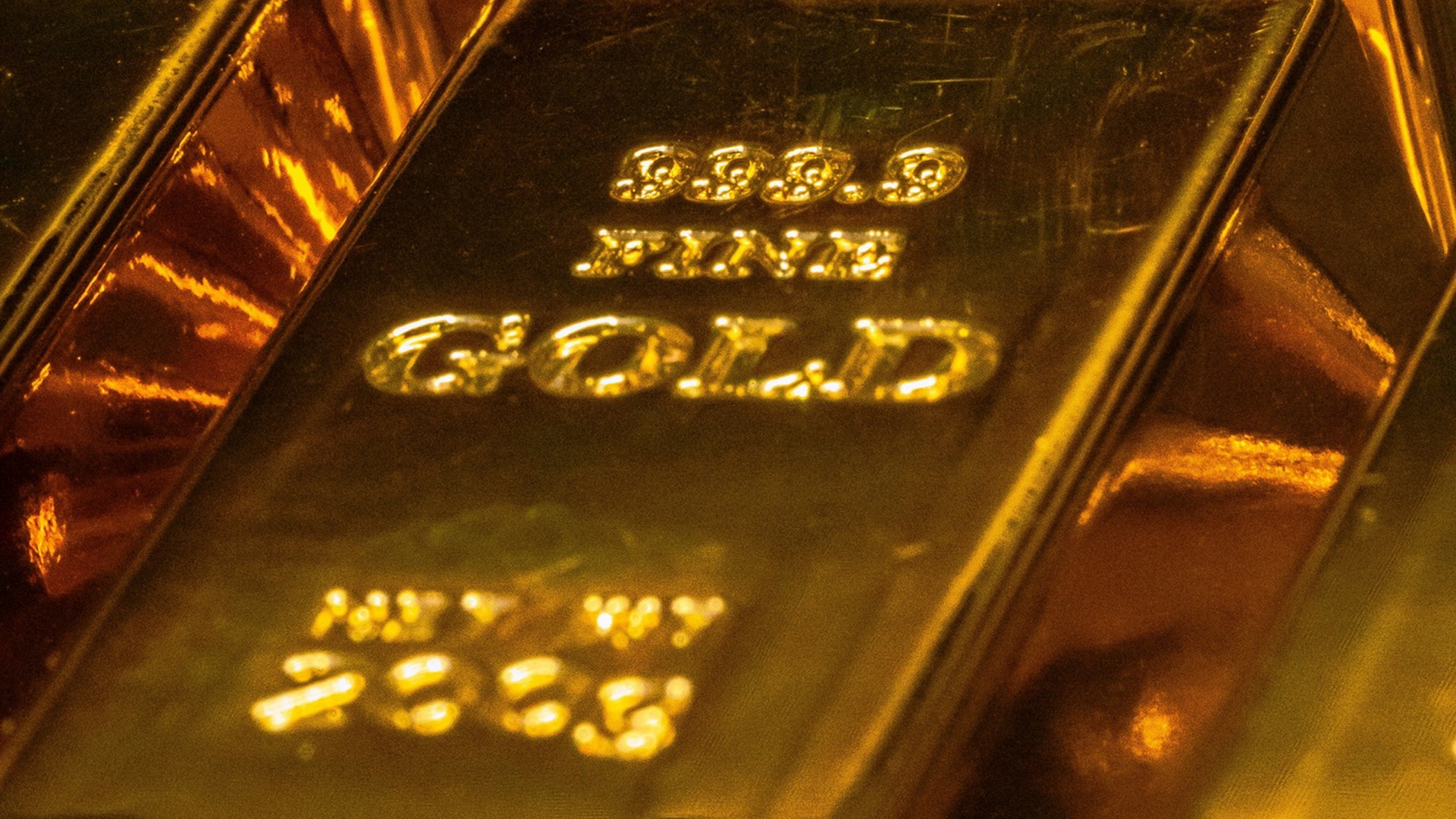
Gold prices may be facing bouts of volatility, but one of the market’s strongest long-term supports remains firmly in place: central bank demand. Even as prices fluctuate and some countries tap reserves for liquidity, official-sector buying continues to provide a powerful foundation for bullion, helping gold hold key long-term support levels.
At the center of this trend is China, which has extended its gold-buying streak and reinforced its role as one of the most important players in the global bullion market. At the same time, countries such as Poland and Uzbekistan have also continued to add meaningfully to their reserves, underlining that gold remains a strategic asset. According to data cited by The Kobeissi Letter, along with additional analysis from the World Gold Council and Metals Focus, global central banks bought 19 tonnes of gold in February, marking the 23rd straight month of net purchases. With January purchases of 6 tonnes, total buying for the year had already reached 25 tonnes by the end of February. Later revisions, including Kazakhstan’s February addition of nearly 8 tonnes, pushed that February net figure closer to 27 tonnes.
Buying momentum also carried into March. World Gold Council analyst Krishan Gopaul noted that several central banks increased reserves again, confirming that sovereign buyers have been willing to accumulate even as prices remain elevated and market conditions stay unsettled.
Among the most active buyers, the National Bank of Poland stood out. It added 20 tonnes in February, taking total reserves to 570 tonnes, or roughly 31% of its foreign exchange holdings. In March, Poland added another 11 tonnes, lifting year-to-date purchases to 31 tonnes and total holdings to 582 tonnes. That follows a massive 102-tonne increase last year, highlighting Poland’s ongoing strategic shift toward gold.
Uzbekistan has also remained highly active. It bought 8 tonnes in February and another 9 tonnes in March, bringing total reserves to 416 tonnes by the end of the first quarter. Gold now makes up an unusually high share of the country’s foreign exchange reserves, reflecting how important the metal has become in reserve management for some emerging-market economies.
China’s purchases have been smaller in headline tonnage but carry outsized market significance. The People’s Bank of China reported a 1-tonne increase in February and then added 5 tonnes in March, its largest monthly purchase since February 2025. That extended China’s buying streak to 17 consecutive months and pushed official holdings to 2,313 tonnes.
While gold still accounts for only about 10% of China’s reserves by the latest figures cited here, far below the share seen in major Western economies, its consistent buying has fueled expectations that Beijing is steadily diversifying away from the US dollar and laying groundwork for a stronger international role for the yuan.
The reasons central banks hold gold today are much the same as they have been for decades. First, gold offers diversification. Foreign reserve portfolios are often dominated by fiat currencies and government bonds, especially US dollar assets. Gold provides balance because it is a real, finite asset whose supply cannot be expanded at will.
Second, gold acts as an inflation hedge. When central banks around the world are forced to increase liquidity, or governments run large deficits, currencies can weaken in real terms. Gold has long been seen as protection against that erosion. Third, gold carries no credit or counterparty risk. Unlike bonds or bank deposits, gold is not dependent on another institution’s promise to pay. That makes it especially attractive in periods of geopolitical stress or financial uncertainty.
Finally, gold often moves inversely to the US dollar. When the dollar weakens, gold tends to strengthen, helping central banks preserve the value of their reserves during periods of currency instability. These characteristics explain why central banks collectively now hold more than 35,000 metric tonnes of gold, about one-fifth of all the gold ever mined.
The makeup of the biggest gold buyers has changed over time. Traditional reserve powers such as the United States, Germany, France and Italy already hold large gold stocks and generally maintain rather than aggressively expand them. The US remains the world’s largest official holder with more than 8,100 tonnes, or nearly 78% of its reserves. Germany holds more than 3,300 tonnes, around 74% of its total reserves. In contrast, recent buying has come increasingly from emerging economies and newer strategic accumulators, including China, Poland, India, Uzbekistan, Kazakhstan and, at times, Turkey and Hungary. These countries generally hold a smaller share of reserves in gold than the major Western economies, which leaves room for further accumulation over time. That “underweight” status is one reason analysts believe the longer-term case for central bank gold buying remains intact.
One of the most notable aspects of the latest data is that central banks continued buying even as gold prices corrected sharply. Gold fell 11.5% last month, yet official-sector accumulation persisted. That suggests many central banks are not reacting to short-term price swings but instead using declines as buying opportunities. This patient, strategic approach is important for the broader gold market. It means that when speculative investors step back, or volatility rises, sovereign demand can still provide a stabilizing force.
That does not mean every central bank is buying. In fact, sovereign gold flows have become more mixed as countries respond to local economic pressures.
Turkey has emerged as the clearest example. Its central bank reported a decline of more than 118 tonnes in recent months, including a 69.1-tonne drop in March, the largest monthly drawdown since 2013. Earlier figures analyzed by Bloomberg and Metals Focus suggested cumulative declines in Turkish reserves had reached around 131 tonnes over a broader recent period. Officials said some gold was sold outright, but much of it was monetized via swap agreements. In practice, this allows the central bank to use gold as collateral to raise low-cost dollar liquidity, which can then be deployed to support the lira and manage domestic financial pressures. Rising energy costs, many of them tied to geopolitical instability, have increased Turkey’s demand for dollars and put additional pressure on its currency.
Russia has also sold gold in recent months, reportedly liquidating assets from its National Wealth Fund to help cover budget shortfalls amid sanctions and wartime strain. Ghana, meanwhile, reduced reserves sharply as part of what officials described as portfolio rebalancing after gold’s price surge pushed the metal to an unusually large share of its reserves. These examples show that gold is serving not only as a store of value but also as a reserve asset that can be mobilized in times of stress.
The divergence between buyers and sellers reflects a broader reality: central banks are navigating a world of elevated geopolitical risk, higher inflation uncertainty, currency volatility and tighter liquidity conditions.
Conflict in the Middle East has intensified pressure on energy markets, pushing oil prices higher and heightening inflation concerns for many countries, especially energy importers, creating immediate reserve-management challenges. Higher oil prices drive greater demand for dollars, weaken local currencies and force central banks to act more aggressively. At the same time, the weaponization of the dollar through sanctions and the broader fragmentation of the global financial system have encouraged some countries to diversify reserve holdings away from traditional Western assets. That has strengthened the strategic case for gold, particularly in countries seeking greater monetary independence. In that sense, today’s central bank gold buying is not simply about price. It is about resilience, sovereignty and flexibility.
Despite intermittent selling from countries under pressure, the bigger picture remains supportive for gold. Central bank demand continues to act as a structural pillar for the market, cushioning price declines and reinforcing investor confidence during corrections. Analysts broadly expect that trend to continue. Countries that are still underweight in gold are likely to keep diversifying, while ongoing geopolitical tensions, inflation risks, debt concerns and currency realignments should preserve gold’s appeal.
In the near term, more reserve monetization and swap activity cannot be ruled out, especially if energy prices stay high and liquidity conditions tighten further. But those are largely seen as short-term responses to stress rather than a reversal of the long-term shift toward gold. For now, that long-term shift remains firmly intact. And as long as central banks, especially China, Poland and other active reserve managers keep buying, gold is likely to retain a strong foundation underneath its price.