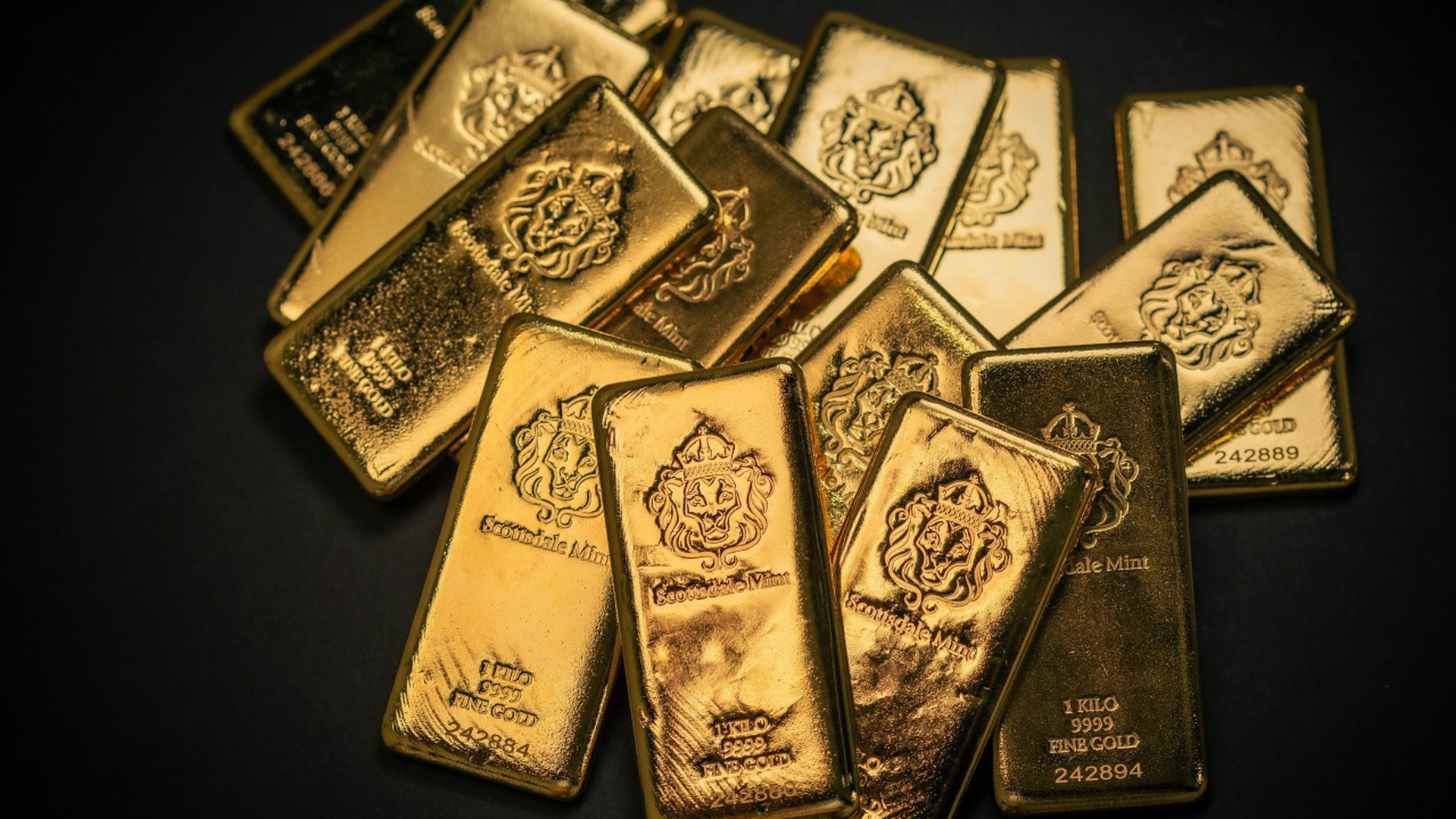
China's central bank made its largest monthly addition to gold reserves since October 2023 in June, extending a historic buying streak even as bullion prices suffered their steepest monthly decline since the global financial crisis. The People's Bank of China increased its gold holdings by 480,000 troy ounces in June, bringing total reserves to 75.44 million ounces, according to official data released Tuesday. The move marked the 20th consecutive month of gold purchases, the longest uninterrupted buying run since at least 2015.
The scale of the June purchase stood out because it came during a severe selloff in the gold market. Spot gold dropped more than 11%, or roughly 12% by some measures, in June, breaking below $4,000 an ounce and recording its worst monthly performance since 2008. A stronger U.S. dollar, rising expectations of Federal Reserve rate hikes, and inflation concerns linked to the Iran war drove the decline. Higher interest rates typically weigh on gold because the metal does not generate yield. Despite the additional purchases, the market value of China's gold reserves fell sharply because of the price drop. The value declined to about $303.72 billion at the end of June from $340.75 billion in May.
China's continued accumulation suggests that Beijing is looking beyond short-term price swings and focusing on longer-term reserve diversification. Analysts say gold still accounts for only about 8.8% of China's total reserves, far below the roughly 27% average held by central banks globally. That gap leaves China with significant room to keep adding bullion, should it wish to bring its reserve mix closer to global norms.
The pace of buying has also accelerated in recent months. Monthly additions rose from 160,000 ounces in March to 260,000 ounces in April, 320,000 ounces in May, and then 480,000 ounces in June. That steady increase points to a more deliberate reserve-management strategy rather than opportunistic buying alone. China's current buying cycle began in November 2024 and has now continued for 20 straight months. The streak reflects a broader official-sector shift toward gold as central banks seek assets viewed as less exposed to currency sanctions, geopolitical shocks, and dollar volatility.
Although gold prices weakened sharply in June, central-bank demand remains one of the strongest long-term supports for the market. A June survey by the World Gold Council found that 89% of central banks expect global gold reserves to rise over the next year.
That trend has become more important as major financial institutions turn more cautious on gold's near-term outlook. Goldman Sachs and Deutsche Bank have both lowered their year-end forecasts for the metal, reflecting concerns that higher interest rates and a stronger dollar could continue to pressure prices. Still, China's buying shows that official-sector demand may remain resilient even when market sentiment weakens. For investors, the PBOC's purchases suggest that central banks may continue to provide a floor for bullion demand, even if prices remain volatile in the short run.
New financial infrastructure in Hong Kong also supports China's gold strategy. Beijing and Hong Kong authorities have introduced measures to strengthen the city's role as an offshore yuan and gold trading hub.
These include a central clearing system for gold, the revival of gold futures trading, and a "Delivery Connect" program with the Shanghai Gold Exchange to improve cross-border settlement. Hong Kong has also introduced tax incentives aimed at boosting gold trading activity. Officials say the measures are designed to attract sovereign issuers and global companies to raise yuan-denominated funds in Hong Kong, while also capturing the growing Asian demand for gold. The initiatives fit into China's broader goal of expanding the international use of the yuan and building alternative financial channels linked to commodities and reserve assets.
China's June purchase highlights a clear divide between short-term market pressure and long-term central-bank strategy. While gold suffered its worst monthly decline since 2008, the PBOC chose to buy at the fastest pace in nearly three years.
The move reinforces Beijing's commitment to diversifying its reserves away from heavier reliance on dollar-denominated assets. With gold still making up a relatively small share of China's total reserves compared with other central banks, analysts expect the country may continue accumulating bullion over time. For global markets, China's buying streak is a reminder that gold's role is not defined only by interest rates or monthly price movements. For central banks, it remains a strategic asset — one tied to financial security, geopolitical resilience, and long-term reserve diversification.