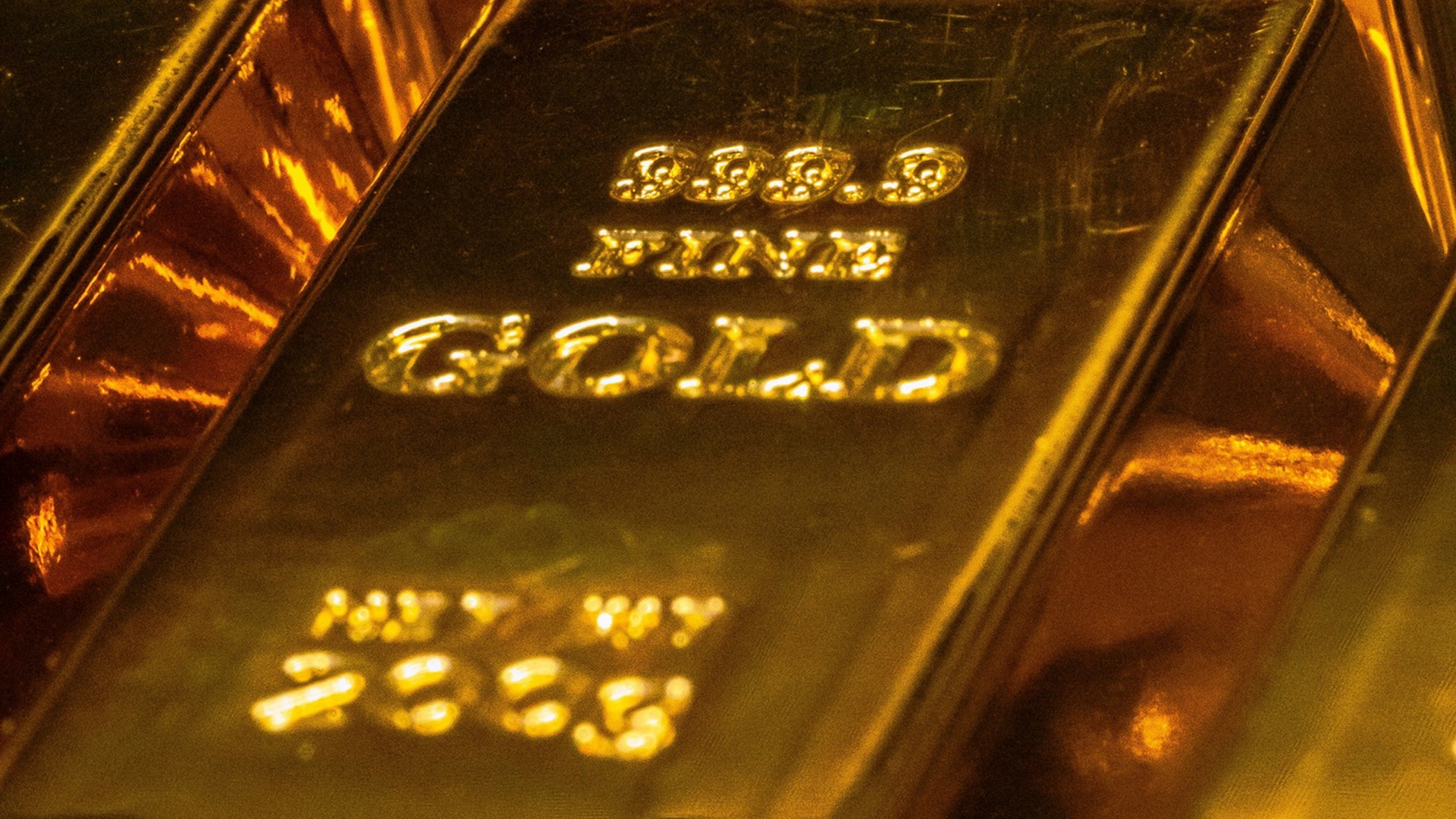
China’s steady accumulation comes against the backdrop of a dramatic run in gold prices. The metal has been one of the most closely watched assets in global markets, having nearly doubled since 2025 and surged to as high as $5,600 earlier this year before correcting lower.
That correction was intensified by stress linked to the US-Iran war, which triggered pressure on leveraged positions and forced some investors to sell gold for liquidity. But prices have begun to recover again. Gold is now up nearly 3% this week to around $4,747 after briefly dropping near $4,500 on Monday. China’s continued official demand has helped support the broader narrative that central banks remain committed buyers even when private investor sentiment shifts.
Analysts say China’s ongoing purchases help place a floor under the gold market. In periods of sharp declines, steady buying from major central banks can help absorb some of the selling pressure and stabilize prices. Shao said China’s sustained accumulation is helping to support the global gold market by limiting downside risks through consistent demand. That makes the PBOC not just a buyer, but an increasingly important long-term participant in the bullion market.
While the official figures show China holding 74.64 million ounces, there has long been speculation that Beijing’s real gold reserves are significantly larger than what it publicly reports. Independent estimates, including those often cited by the World Gold Council, suggest that China’s actual holdings may be much higher, possibly even double the official number. While such claims remain unconfirmed, they continue to fuel debate over the true scale of Beijing’s gold strategy. What is clear, however, is that the reported data alone already show a sustained and deliberate accumulation effort.
Alongside the increase in gold reserves, China’s broader foreign exchange position also improved in April. The State Administration of Foreign Exchange (SAFE) said the country’s forex reserves rose to $3.4105 trillion at the end of April, up $68.4 billion, or 2.05%, from the end of March. The increase was attributed to a weaker US dollar and mixed performance across global financial assets. SAFE added that China’s economy has maintained a stable, improving momentum, providing a solid basis for keeping foreign exchange reserves broadly stable.
China’s latest gold purchase sends a clear signal: Beijing remains committed to increasing its exposure to gold despite elevated prices and market turbulence.
At a time when investors are reassessing risk, reserve managers around the world are seeking protection against geopolitical conflict, policy uncertainty, and currency volatility. China’s central bank appears to be responding by doing what it has done for the past year and a half, buying gold, month after month.