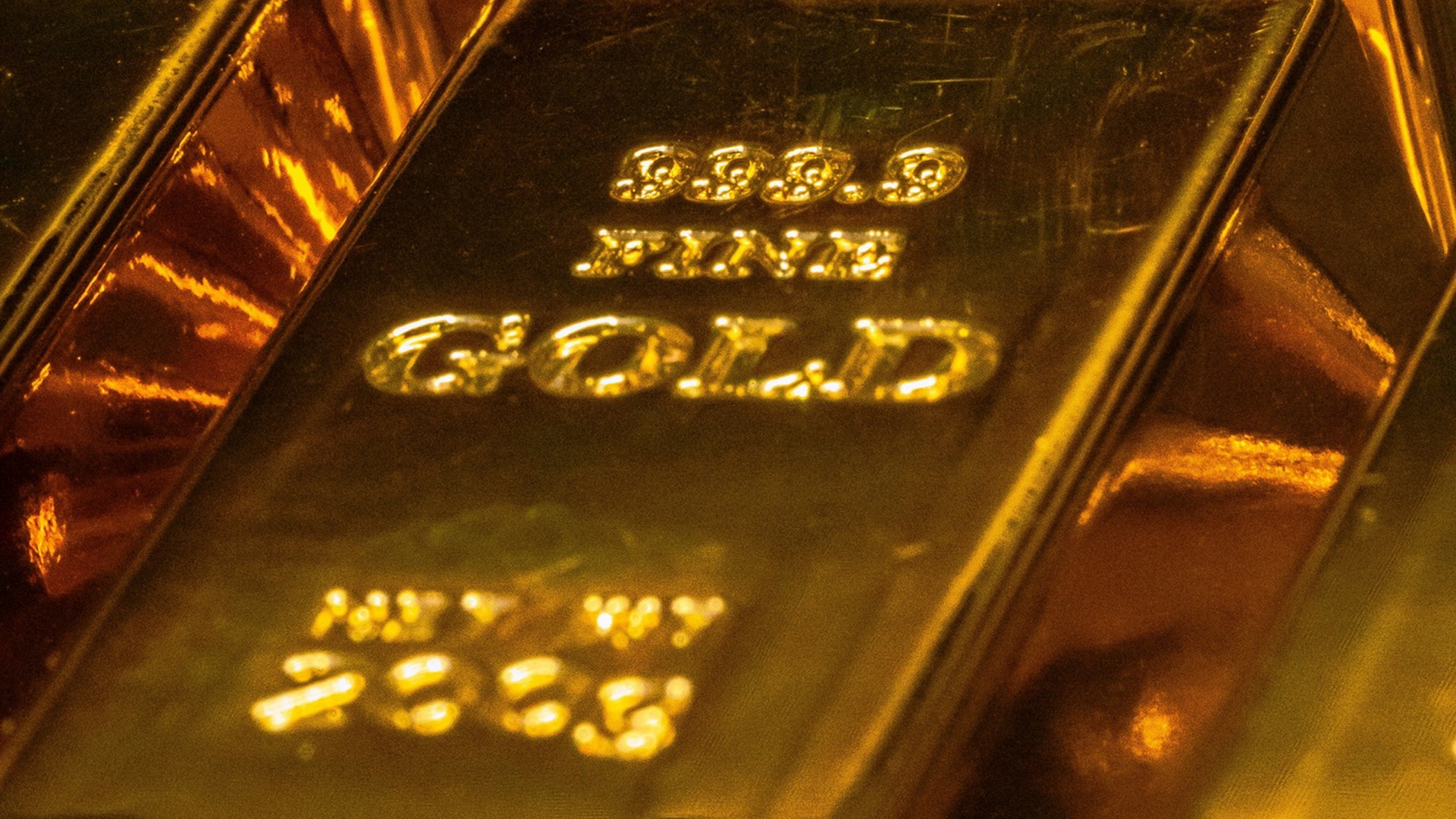
According to fresh data released on Saturday (February 7), China’s central bank increased its holdings to 74.19 million fine troy ounces by the end of January, marking an uptick of 40,000 ounces from December. The value of the country’s gold reserves soared to US$369.58 billion, up significantly from US$319.45 billion just a month earlier.
This consistent accumulation resumes a trend that was briefly interrupted in May 2024, when the PBOC paused its 18-month gold-buying program, only to resume vigorous purchases six months later.
Gold, long revered as a classic hedge against political turbulence and economic instability, surged on a speculative wave to a historic peak of nearly US$5,600 per ounce in January. This rally was short-lived—the nomination of Kevin Warsh as the new chair of the US. At the end of the month, the Federal Reserve curbed investor enthusiasm, driving the spot price down to a low of US$4,403.24 before it stabilized near US$4,960 per ounce as of early February.
Analysts attribute the recent drop in gold prices not only to shifts in the US monetary leadership but also to improved global market sentiment. Equities rebounded earlier this week, buoyed by strong gains in major indices such as the S&P 500 and the Dow Jones Industrial Average, with the latter reaching an all-time high.
Meanwhile, geopolitical friction with the US. and Iran has eased, with the two pledging to continue indirect nuclear dialogue. This development may have further diminished gold’s appeal as a crisis hedge. However, renewed safe-haven interest from China has contributed to a softer landing for the yellow metal amid the volatility.
The PBOC’s gold-buying strategy appears to be part of broader monetary diversification efforts, a means to reduce dependence on the US. dollar-denominated assets and insulate the Chinese economy from external fiscal shocks. With central banks globally holding a watchful eye over the Fed’s next moves, China’s steady accumulation could provide a crucial buffer.
Adding to domestic concerns, US Treasury Secretary Scott Bessent refused to rule out a criminal probe against Fed-nominee Warsh if he resists pressure to lower interest rates, triggering market fears about the Federal Reserve’s independence. These developments have weighed on the US. The dollar index is providing modest support to gold’s rebound post-correction.
On the domestic front, China’s gold consumption experienced its second straight annual decline in 2025, dipping 3.75% to 950 metric tons, according to the state-backed China Gold Association. Despite a decline in total consumption, investment-driven segments told a different story. Purchases of gold bars and coins, a common measure of safe-haven demand, skyrocketed 35.14% year-on-year, accounting for more than half of consumption.
This divergence reinforces the narrative that Chinese investors are increasingly leaning on gold as a store of value amid economic headwinds and depreciation pressures facing the yuan.
As gold trades near US$4,960 per ounce, market participants are closely monitoring macroeconomic indicators, such as the delayed U.S. January employment report due later this week, which could further shift sentiment.
While speculative fervor may have subsided in the short term, China’s consistent accumulation offers a long-term floor for gold prices. Analysts suggest that continued central bank buying from China, the world’s largest gold consumer, could lend a degree of price stability through choppy financial waters ahead.
“China’s central bank action is a strong signal to the market that gold remains a critical part of sovereign strategy,” noted Lallalit Srijandorn of FXStreet. “As traders recalibrate positions ahead of key U.S. data releases, gold may consolidate, but support is likely to hold given this uptick in official demand.”
China’s gold purchasing strategy, sustained for 15 consecutive months, underscores Beijing’s broader economic recalibration in an increasingly multipolar financial landscape. With rising global uncertainty, looming leadership changes at the Fed, and shifting alliances, the shiny metal continues to offer officials and investors alike a traditional yet resilient means of securing value.
As the world’s largest economies jostle for fiscal dominance and energy strategies, illustrated by renewed US. Involvement in Venezuela’s oil sector and critical minerals cooperation plans with over 50 nations, China’s long game with gold may prove to be more than just monetary insurance. It could be a decisive step toward reshaping the architecture of global financial security.