China’s gold output declined in the first quarter of 2026 as stricter safety inspections and temporary production suspensions disrupted domestic mining and smelting activity, according to the China Gold Association. Total gold production from domestic and imported raw materials fell 3.27% year-on-year to 136.23 metric tons. Domestic mine output was the main source of weakness, dropping 7.08% to 81.07 tons as some smelters halted operations for maintenance during safety reviews. The decline highlights the pressure that tighter regulatory oversight can place on near-term production, even as authorities aim to improve operational safety standards across the mining sector.
Although domestic production fell, overseas operations by major Chinese gold groups posted strong growth. Output from these international assets surged by more than 30% compared with the same period a year earlier. This increase helped cushion the impact of a weaker domestic supply and underscored the growing importance of Chinese miners’ overseas investments. As domestic production faces periodic disruptions and stricter compliance requirements, foreign operations are becoming an increasingly important source of gold supply for Chinese companies.
Despite weaker output, China’s gold consumption rose in the first quarter, supported by strong investor demand for physical bullion.
Total gold consumption increased 4.41% from a year earlier to 303.29 tons. The gains were driven almost entirely by investment products, as demand for bars and coins jumped 46.4% to 202.06 tons.
The China Gold Association said investment demand remained strong, with bars and coins becoming increasingly popular and bank sales of gold bars rising significantly. In a period marked by global uncertainty and inflation concerns, many consumers and investors appear to be turning to gold as a safe-haven asset.
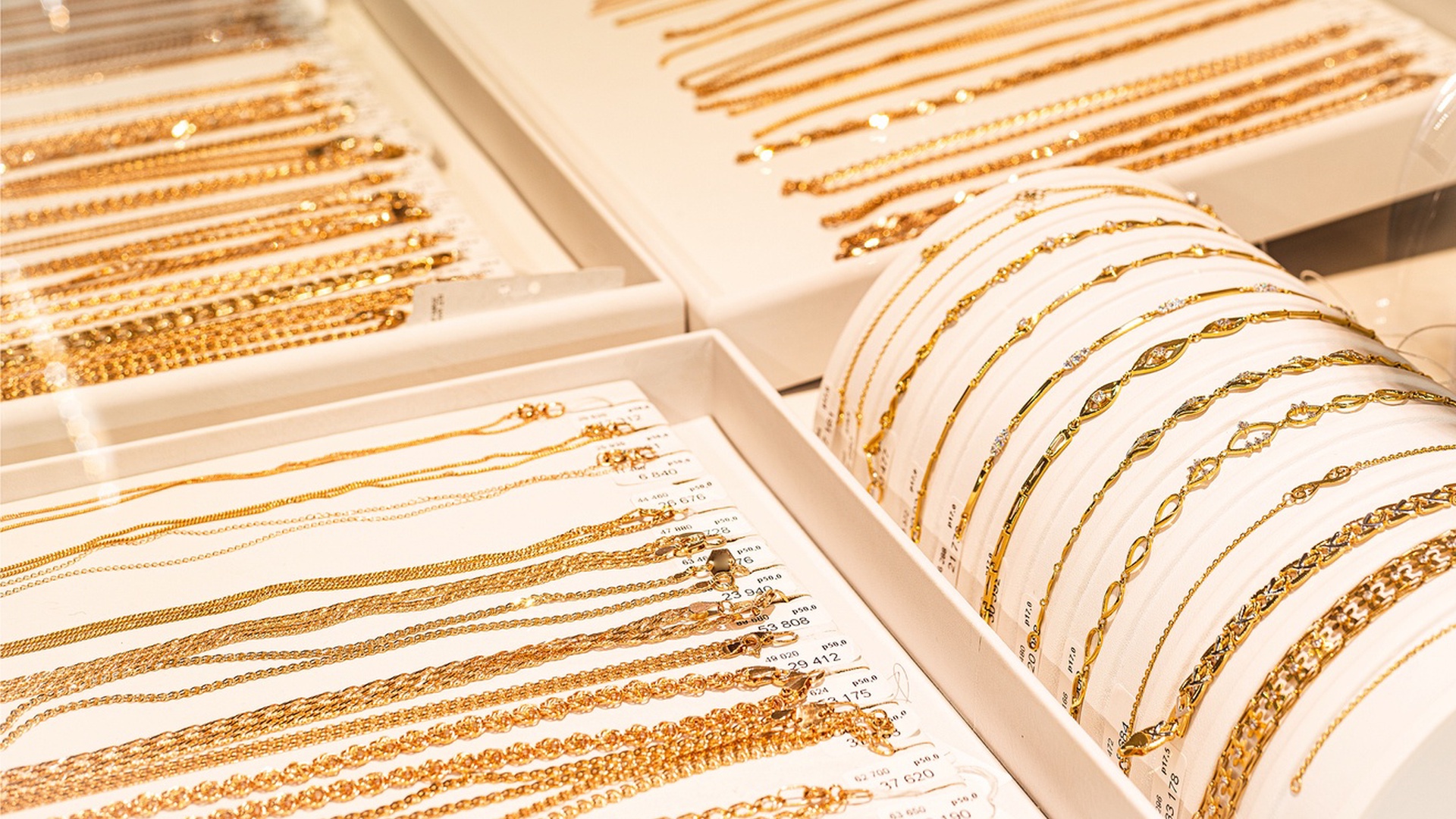
While investment demand strengthened, jewelry consumption weakened sharply. Gold jewelry demand fell 37.1% year-on-year to 84.62 tons, reflecting the impact of elevated and volatile prices on consumer spending. High gold prices have discouraged many retail buyers from purchasing jewelry, even as investment-oriented buyers continued to accumulate bullion. This divergence points to a changing demand pattern in China’s gold market, where gold is increasingly treated as a financial hedge rather than purely a consumer luxury.
China also continued to increase its official gold holdings during the quarter. The country added 7.15 tons to its reserves in the first three months of the year, bringing total holdings to 2,313.48 tons by the end of March. That increase moved China into fifth place globally in terms of official gold reserves. The reserve accumulation reflects Beijing’s broader strategy of diversifying its assets and strengthening its gold position. Data from the People’s Bank of China also showed that the central bank extended its buying streak into April, marking 18 consecutive months of gold purchases.
Across Asia, physical gold demand remained uneven. In India, demand was muted as a price rebound led many buyers to delay purchases, even during the wedding season, which is typically one of the strongest periods for gold jewelry sales. Gold in India was trading at around 152,600 rupees ($1,614.05) per 10 grams on Friday, up 57% from a year earlier.
Dealers in India quoted discounts of up to $15 an ounce and premiums of up to $6 over official domestic prices this week, compared with discounts of up to $5 and premiums of $9 last week. Market participants said high prices were weighing heavily on retail demand, and April imports are expected to fall to a near 30-year low of around 15 metric tons.
In contrast to India, China’s gold premiums held steady, indicating continued investor interest. Bullion in China traded at premiums of $14 to $20 an ounce over global benchmark prices, broadly in line with the previous week’s levels of $16 to $20. Although trading activity was reduced by the May 1–5 holiday closure, premiums remained firm.
Traders said this reflected steady safe-haven demand, driven by ongoing concerns over Middle East tensions and inflation. Investors continued buying gold even as spot prices rose more than 2% over the week, supported by easing inflation fears and optimism over a possible U.S.-Iran peace deal.
China’s first-quarter gold market revealed a clear contrast between supply and demand. On the supply side, production was weakened by safety-related disruptions and lower domestic mine output. On the demand side, strong investment buying more than compensated for weaker jewelry sales.
With central bank reserve purchases continuing, overseas output rising, and consumers favoring bars and coins over jewelry, China’s gold market is increasingly being driven by investment and strategic considerations. If geopolitical uncertainty and inflation concerns persist, that trend is likely to remain in place for the rest of 2026.