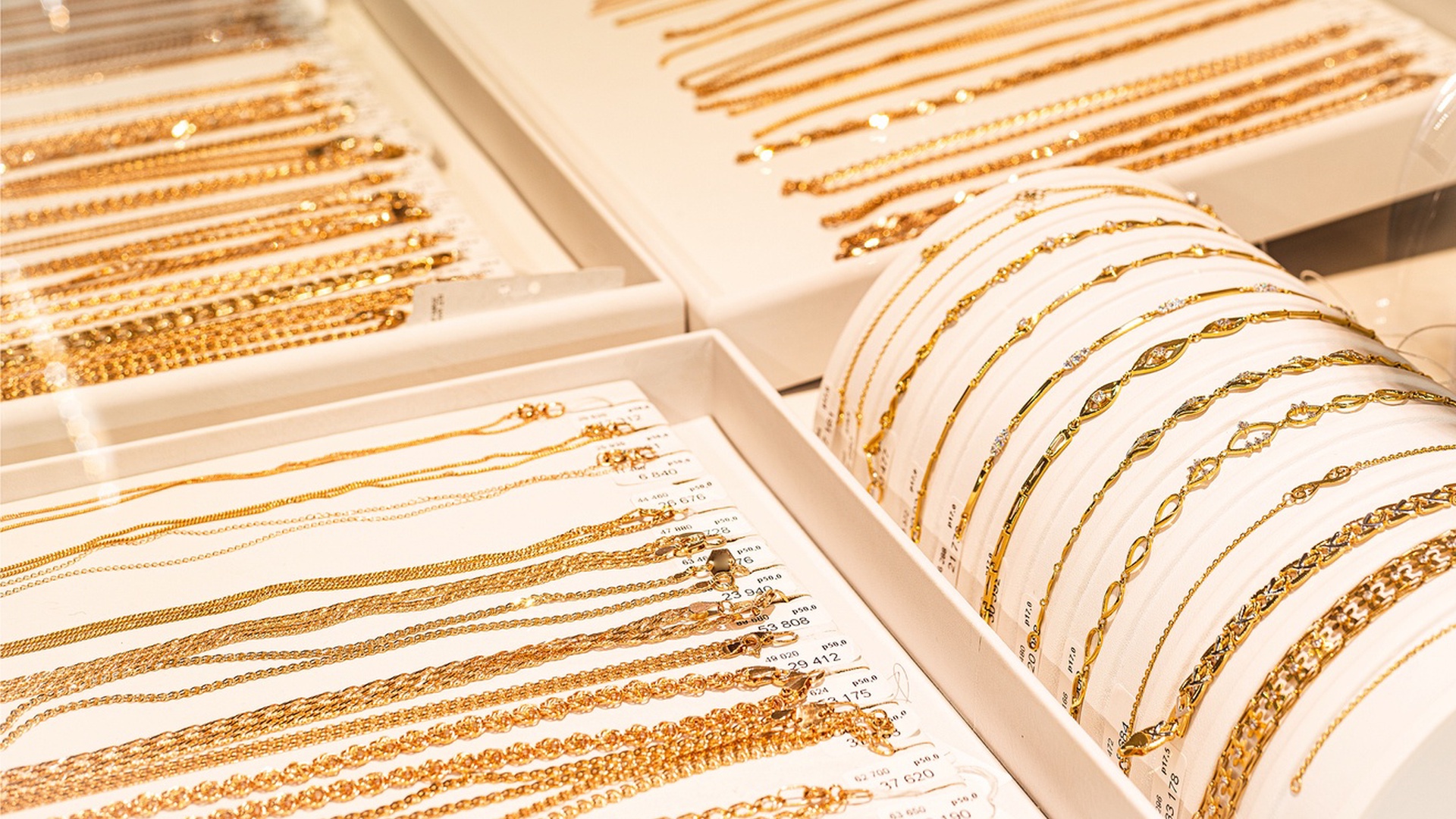
During the first half of 2026, China’s gold market underwent a major structural transformation. For decades, Chinese demand rested on two pillars: investment in bars and coins and cultural demand for gold jewelry. In H1 2026, that balance decisively shifted toward investment. Economic insecurity, falling property values, stock-market volatility, and currency concerns encouraged households and institutions to seek safety in gold. Meanwhile, record prices and tax reforms sharply reduced the affordability and investment appeal of jewelry.
According to the China Gold Association, total consumer gold demand increased 1.23% year over year to 511.41 tonnes. Although growth by weight was modest, its financial value reached a record CNY530.5 billion, or about US$77 billion, because of historically high prices. The composition of demand changed dramatically. Purchases of bars and coins rose 28.42% to 339.34 tonnes, accounting for two-thirds of total consumption. Jewelry demand fell 33.88% to 132.13 tonnes, while industrial and technological use declined 2.9% to 39.94 tonnes. Chinese consumers therefore bought approximately 2.5 times more investment gold than jewelry.
The divide widened during the second quarter. Jewelry consumption fell 27.7% year over year to only 50 tonnes, its lowest quarterly level since records began in 2010. Bar and coin demand, by contrast, increased 8.7% to 137.3 tonnes. These figures suggest that the movement away from adornment was not a temporary reaction but part of a lasting change in consumer behavior.
China’s prolonged real estate downturn was one of the main causes of the shift. Property has traditionally accounted for a large share of Chinese household wealth, but falling prices, excess supply, and demographic decline have weakened its position as a reliable investment.
The Bank for International Settlements’ real home-price index for China fell from 113 in 2021 to 85.1 in the first quarter of 2026, effectively returning real prices to levels last seen in 2016. In June, secondary-home prices fell across every major city category. Prices declined 6.95% year over year in first-tier cities, 8.21% in second-tier cities, and 7.48% in third-tier cities. Real estate investment also dropped 16.2% between January and May, while new construction starts fell 22.6%.
Domestic equities offered limited reassurance. Although the A-share market recorded a modest gain by midyear, it remained highly volatile and heavily influenced by retail sentiment. Restrictions on short selling and other market frictions also made it difficult to correct mispricing. Compared with property and equities, gold appeared globally liquid, transparent, and independent of domestic corporate or housing risks. As a result, many households began treating bullion as financial insurance. Savings that might once have gone toward property or stocks increasingly flowed into physical bars, gold-backed exchange-traded funds, and bank accumulation plans.
While rising gold prices encouraged investment, they severely damaged jewelry affordability. The average domestic price increased from CNY420 per gram in the first quarter of 2023 to CNY1,088 in Q1 2026. Despite a correction to CNY990 in the second quarter, the H1 average remained above CNY1,037 per gram.
At that price, a 10-gram necklace would cost more than CNY10,370 before significant retail or design charges. That represented nearly three months of disposable income for an average consumer, placing traditional jewelry beyond the reach of many middle- and lower-income households. Wealthier consumers continued buying premium pieces for weddings, gifting, and luxury use. Middle-income consumers increasingly traded old jewelry for new products, paying mainly for design and labor. Nevertheless, the total amount of new gold used in jewelry declined sharply.
Tax changes introduced in November 2025 intensified the shift. Qualifying bars and coins sold through Shanghai Gold Exchange members remained exempt from value-added tax, while jewelry purchases faced an additional effective tax burden. Historically, many Chinese consumers bought heavy, plain 24-karat jewelry because it could function as both adornment and savings. The tax change made investment bars cheaper and more liquid, undermining jewelry’s role as a quasi-investment. Retailers consequently began emphasizing bullion sales or lightweight, higher-margin jewelry that competed through craftsmanship rather than gold content. This adjustment is likely to produce consolidation within China’s jewelry industry.
China’s transformation occurred during an exceptionally volatile period for global gold prices. After gaining approximately 60% in 2025, gold continued rising in January 2026 amid central bank buying, investment inflows, and geopolitical fears. Spot gold reached a record of roughly US$5,595 per ounce on January 29. The rally then reversed sharply. At the end of January, gold dropped approximately 12.75% in a single session, its steepest daily fall since 1980. Higher exchange-margin requirements, crowded speculative positioning, and changing expectations for US interest rates contributed to the decline. Rising US bond yields and a stronger dollar increased the opportunity cost of holding gold, which pays no interest. By June, the metal had fallen below US$4,000 per ounce, reaching approximately US$3,974—a 29% decline from its January peak. Softer US labor and inflation data later supported a rebound above US$4,350.
Chinese demand remained resilient despite the volatility. Shanghai prices continued to trade at a premium to London, reflecting strong local demand and capital controls. The decline from the January peak also gave Chinese banks and institutions an opportunity to accumulate metal at lower prices.
Gold’s financialization was evident in the growth of Chinese ETFs. Domestic gold-backed funds attracted CNY40 billion, or approximately US$5.6 billion, during H1, equivalent to 29 tonnes of metal. Total assets under management reached about CNY243 billion. ETF flows remained sensitive to price movements. Funds experienced record outflows in June as gold declined and Chinese equities briefly rallied, but inflows quickly resumed in July. This reversal demonstrated that Chinese investors increasingly use gold ETFs as liquid portfolio hedges rather than only as long-term holdings.
Trading activity also remained elevated on the Shanghai Futures Exchange. Gold futures averaged 386 tonnes in daily volume during H1, well above the five-year average of 265 tonnes. Extreme price swings increased hedging demand among miners, refiners, banks, and jewelers. Wholesale data revealed an important divergence. Shanghai Gold Exchange withdrawals fell 12% to 598 tonnes, reflecting the decline in jewelry fabrication and inventory restocking. Yet customs data showed that imports surged 89.1% to 864.95 tonnes.
This gap suggests that much of the imported metal did not flow through traditional jewelry channels. Instead, it was likely absorbed by commercial banks, institutional investors, ETFs, accumulation plans, and sovereign reserves. The People’s Bank of China remained a critical source of demand. It officially added about 40 tonnes to its reserves in H1 and another 20 tonnes in July, extending its buying streak to 21 consecutive months. Official holdings reached approximately 2,366 tonnes, equal to about 8% of China’s foreign-exchange reserves.
The purchases form part of Beijing’s broader de-dollarization strategy. Gold carries no direct counterparty risk and offers protection against sanctions, geopolitical fragmentation, and dependence on dollar-denominated assets. Continued central-bank buying also signals official confidence in gold, reinforcing its appeal to households and institutions.
China’s H1 2026 gold demand points to a long-term transition. Jewelry is unlikely to regain its former importance because the decline reflects more than high prices. Tax policy has made qualifying bullion more efficient than plain 24-karat jewelry, while younger consumers increasingly prefer bars, ETFs, and digital accumulation products. The change also has global implications. As Western investors sold gold in response to rising real interest rates, Chinese institutions and the central bank absorbed substantial quantities of physical bullion. Metal transferred into sovereign and long-term institutional vaults is less likely to return quickly to circulation, potentially establishing a higher floor for future prices.
China has therefore evolved from a jewelry-led consumer market into an investment-driven center of global gold demand. With property values under pressure, equities remaining volatile and the central bank continuing to diversify its reserves, gold has become an increasingly important tool for both household wealth preservation and national financial strategy.