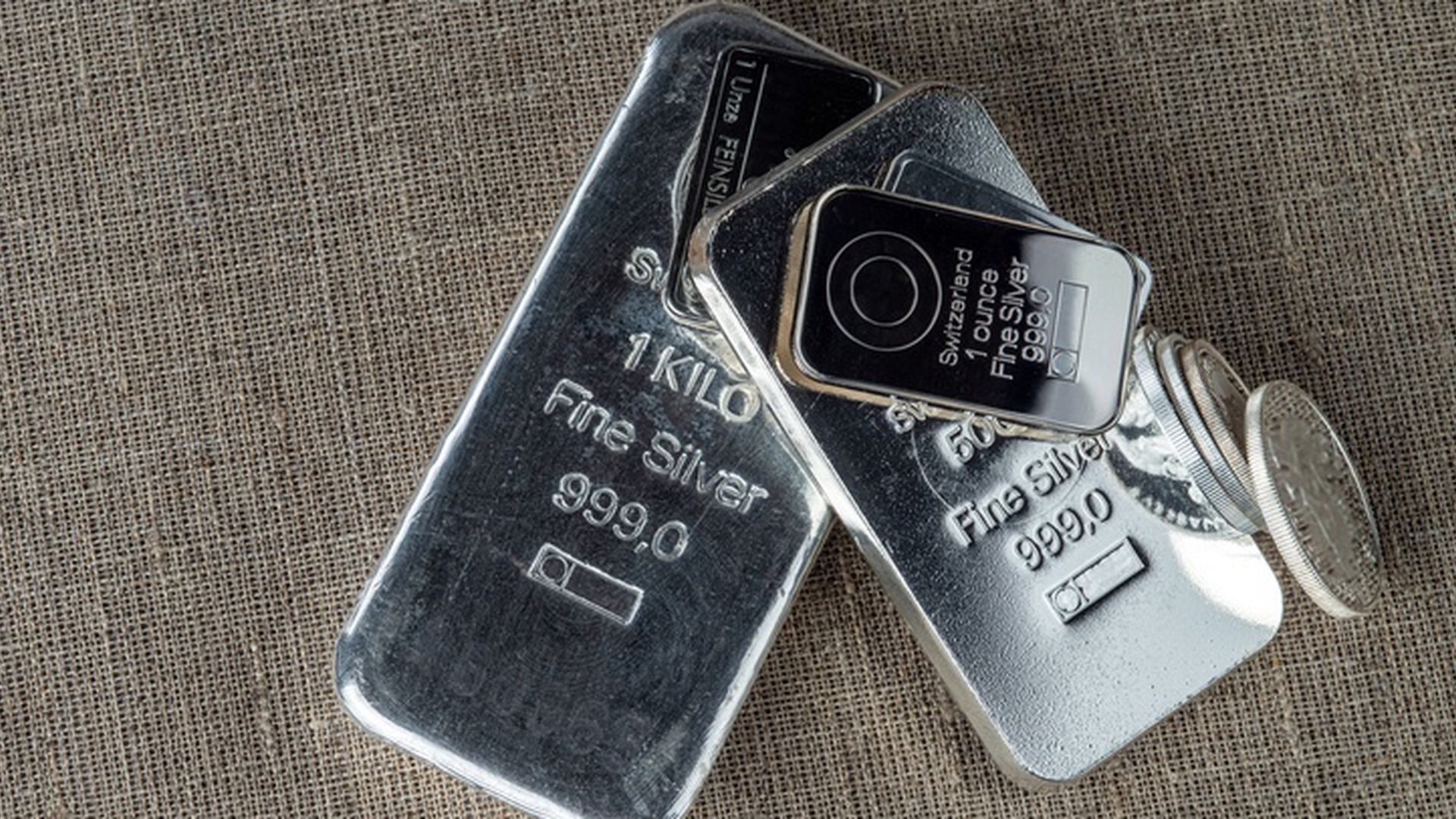
China’s silver imports have surged to extraordinary levels in 2026. Customs data show the country imported roughly 836 tons in March alone, far above the 10-year seasonal average of about 306 tons for that month. Through the first two months of the year, imports already topped 790 tons, with February setting a monthly record of nearly 470 tons. That is not happening in a balanced market. It is happening in a market already expected to post another annual deficit. Estimates for the 2026 global silver shortfall range from about 67 million ounces to well above 150 million ounces. Since 2021, cumulative deficits have approached or exceeded 800 million ounces, effectively consuming the equivalent of roughly a full year of mine output.
China’s import surge reflects both industrial and investment demand. Retail investors have been buying small bars as gold prices become less accessible, while solar manufacturers have been rushing to secure supply. China dominates global solar production, and solar panels already consume about one-fifth of the world’s annual silver supply.

These inflows are not simply opportunistic. They are occurring against a backdrop of exchange stress and shrinking available inventories. The Shanghai Futures Exchange reportedly came under severe delivery strain earlier this year after inventory was drawn down, in part, to support the London bullion market during a 2025 physical demand spike tied to Indian festival buying. In response, Shanghai raised silver margin requirements and moved aggressively to rebuild inventories. Even so, the market remains tight, with strong domestic premiums and persistent backwardation signaling that immediate physical silver is more valuable than futures contracts. At the same time, registered silver on COMEX has fallen to levels that imply thin coverage relative to open interest. When available exchange inventory covers only a small fraction of outstanding contracts, the risk of delivery stress rises sharply. Historically, such conditions have often preceded bouts of extreme volatility.
This is why many investors have begun favoring vehicles with more direct physical exposure. Recent market flows suggest that physically backed products such as Aberdeen Physical Silver Shares (NYSE: SIVR) and Sprott Physical Silver Trust have attracted interest even as broader paper-linked silver funds have seen mixed behavior.
China’s influence is not limited to buying. It also plays a crucial role in refining and processing. It is estimated to control around 70% of silver bullion meeting London “Good Delivery” standards, giving it outsized sway over the form of silver most widely accepted in global wholesale markets. Beijing has also tightened export controls. Refined silver shipments are increasingly restricted to state-approved firms with special licenses, and silver has reportedly been added to broader lists of strategically controlled materials. That means the world’s largest silver buyer is also making it harder for silver to leave the country.
Then there is sulfuric acid. China controls roughly 40% of the global sulfuric acid market and moved to halt exports beginning May 1. That matters because sulfuric acid is critical to heap leaching and other processing methods for extracting silver, especially when silver is produced as a byproduct of copper, lead, and zinc mining.
This is a major issue because most silver is not mined from dedicated silver mines. It comes as a byproduct of other metals. So, silver supply cannot easily ramp up on its own in response to higher prices. It depends on the economic and expansion decisions of copper, zinc, and lead producers. If processing inputs tighten and base-metal mining does not accelerate, silver supply remains constrained.
Global mine output is projected to be near 820 million ounces this year, but that figure offers little comfort in a market with persistent deficits and limited flexibility for new production. Dedicated silver mines are relatively rare. Many of the best deposits are in remote or high-altitude regions, and bringing new supply online can take years. Exploration, permitting, feasibility studies, financing, construction, and ramp-up often stretch close to a decade from discovery to production.
That long lead time means short-term price corrections do not solve structural scarcity. A falling futures price does not create a new mine, increase ore grades, or produce refined silver faster. It merely changes the screen price. This disconnect between paper pricing and physical scarcity has appeared before. In 1980, silver surged from around $6 to nearly $50 before exchange rule changes crushed the price. In March 2020, paper silver plunged while physical coin and bar premiums exploded. In early 2021, the #SilverSqueeze episode again exposed how quickly retail and institutional demand can overwhelm available inventories. The common lesson is simple: paper prices can move sharply in both directions, but they do not alter the underlying physical supply picture.
Silver’s bullish case is no longer just about monetary demand or jewelry. It is increasingly about technology. Solar remains the largest driver of industrial demand, and electric vehicles are also significant consumers. EV production this year is expected to absorb roughly 12-15 million ounces. Data centers, smart-grid infrastructure, semiconductors, and AI hardware add further pressure. Then there is robotics. Morgan Stanley has estimated that the humanoid robot market could become a multi-trillion-dollar opportunity by 2050, with the number of units potentially rising into the hundreds of millions or more. Even conservative silver-use assumptions imply a substantial new source of industrial demand.
If one billion humanoid robots eventually required just 20 grams of silver each, that would amount to 20,000 metric tons, or more than 705 million ounces of silver. Much of that would not be economically recoverable, making it another form of permanent industrial consumption alongside solar panels, electronics, and advanced computing systems. China already leads in the manufacturing of many robotics and industrial automation systems. That gives it both a strategic reason to secure silver and a practical incentive to keep more of the metal within its domestic supply chain.
The core issue is not whether silver can have corrections. It can, and it will. The core issue is whether the world is producing enough silver to satisfy industrial, investment, and strategic demand. Increasingly, the answer appears to be no. China’s behavior reinforces that conclusion. The country is importing silver at a record pace, tightening export controls, and sitting at the center of critical bottlenecks in refining and processing. At the same time, technology sectors that rely on silver continue to expand, while new mine supply remains slow and difficult to develop.
That is why many analysts believe the silver market is not experiencing a temporary imbalance, but a structural one. If so, the current period may be less about short-term volatility and more about the repricing of a metal that has become essential to both the global energy transition and the next wave of advanced technology. In that environment, silver is no longer just a precious metal. It is increasingly a strategic one.