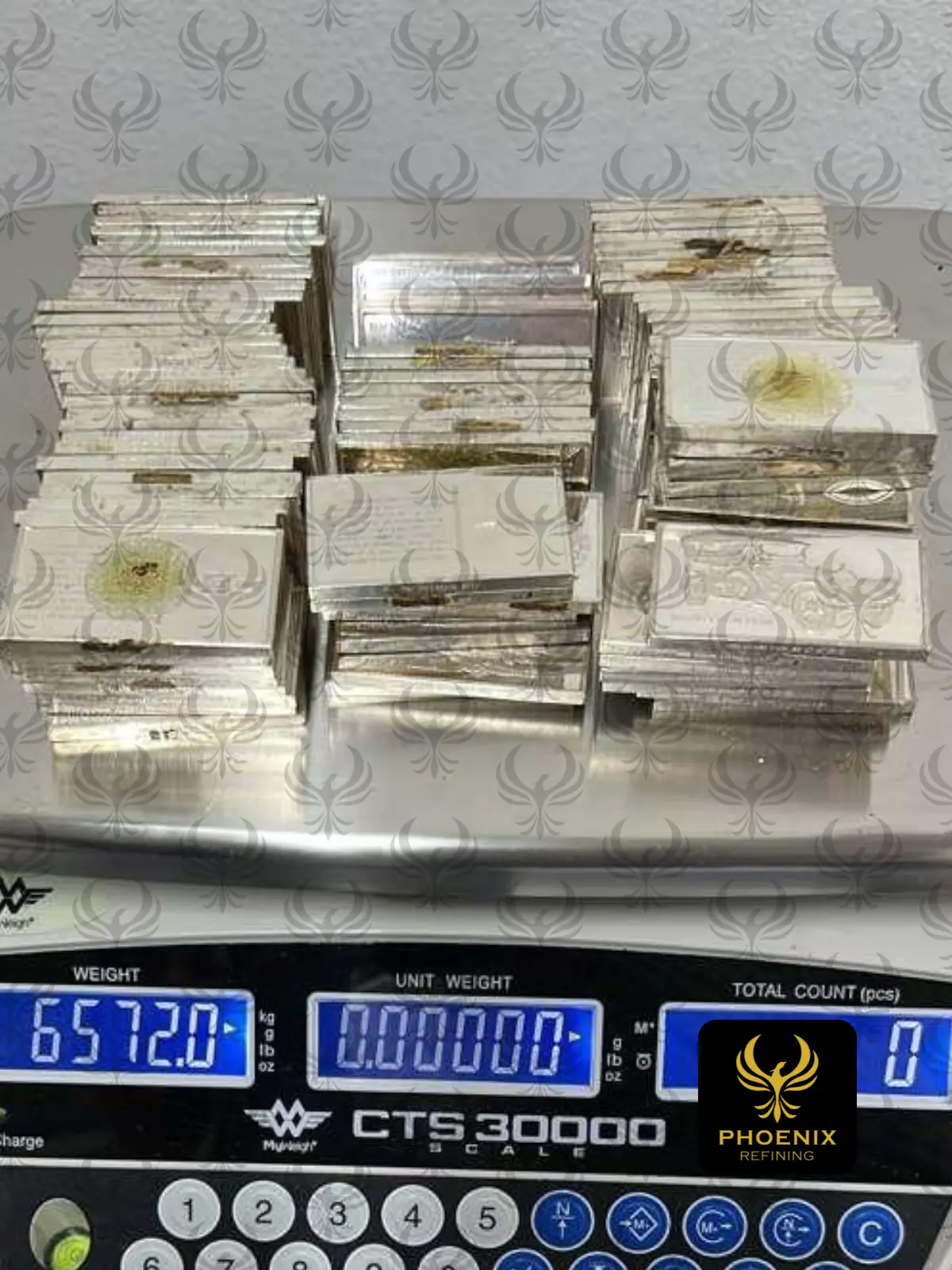
China’s silver market is showing a clear split between the “paper” price and the physical price. On trading screens, silver can fall sharply in response to global macro news, Federal Reserve expectations, a stronger dollar, margin hikes, or profit-taking. But in China’s physical market, the price of real silver bars, raw material, and retail silver products often remains much higher and more stable.
China’s silver market is characterized by a diverse pricing structure rather than a single fixed price. This price ladder reflects various forms of silver and their respective market contexts. At the bottom of this spectrum is the international paper silver, which is often quoted from global futures markets. This price tends to be lower, representing financial exposure rather than immediate physical supply.
Next, we have the Shanghai silver T+D, which trades at around 18.1-18.6 yuan per gram. This price is more closely related to the delivery relevance within China, reflecting its exchange-traded nature. Moving up the ladder, silver in the Shuibei wholesale market trades at approximately 18.2 to 18.5 yuan per gram, reflecting real silver that closely aligns with its raw material value. Then there are bank-investment silver bars priced between 19.05 and 19.25 yuan per gram. These bars reflect physical silver but command a premium due to their standardized packaging and bank backing.
In contrast, branded silver jewelry fetches significantly higher prices, ranging from 25 to 45 yuan per gram, as it includes the value of branding, design, labor, and retail margins. Lastly, the recycling price ranges from 16.4 to 17.4 yuan per gram. This price serves as the cash-out value based primarily on the silver’s purity and weight. In summary, while paper silver offers investors price exposure, physical silver reflects the real market value.
Paper silver is highly sensitive to financial flows. When the market turns risk-off, leveraged funds may liquidate positions quickly. A stronger dollar, higher U.S. Treasury yields, or reduced expectations of Federal Reserve rate cuts can pressure silver because silver does not pay interest. Margin increases on futures contracts can also force traders to reduce positions.
Physical silver reacts differently. In China, physical prices are supported by real demand from industrial users, wholesalers, banks, and retail buyers. Silver is widely used in photovoltaics, electric vehicles, electronic components, 5G infrastructure, data centers, and other new-energy applications. When factories need silver, they need actual metal, not just a futures contract.
A higher physical price for silver reflects a variety of costs and risks that go beyond simple speculation. First and foremost, deliverability plays a significant role; a futures quote does not equate to the immediate availability of silver bars for pickup. Additionally, inventory tightness can lead to increased prices, especially if local supply is constrained, prompting dealers to charge more. Logistical factors also impact pricing, as transportation, insurance, storage, and capital costs are all factored into the price of silver. Purity and fabrication further contribute to costs—silver with higher purities, such as 999 and 9999, requires additional processing and verification.
Moreover, dealer margins add another layer to the pricing structure, with wholesalers, banks, and retailers all incorporating their own spreads. Finally, when it comes to jewelry, the price encompasses much more than just the silver content, including brand value, craftsmanship, packaging, and typical retail markups. For instance, a silver bracelet priced at 500 yuan may contain only about 350 yuan’s worth of silver by weight, illustrating how various factors significantly influence the overall cost.
Some investors see a huge gap between U.S. paper silver and Chinese physical silver and assume there is an easy arbitrage opportunity. For example, if a paper silver quote converts to about 14 yuan per gram while Chinese retail silver sells near 30 yuan per gram, the theoretical spread looks enormous.
But this is mostly an illusion. You generally cannot buy physical silver at the lowest futures price. Physical dealers in the U.S. also charge premiums, and popular products may be unavailable during shortages. Even if silver can be bought overseas, investors must consider customs, taxes, logistics, insurance, purity testing, exchange-rate risk, and resale channels.
Most importantly, the Chinese retail selling price is not the price at which an investor can sell. The real cash-out price is closer to the recycling or buyback price, often around 16.4–17.4 yuan per gram, depending on purity and product type. So comparing a foreign paper price with a Chinese retail selling price exaggerates the profit opportunity.
For physical silver investors, the buy-sell spread is crucial. Investment silver bars are usually the most suitable physical product because their price more closely reflects their silver content. Bank bars have higher premiums but may offer better trust and clearer repurchase channels. Shuibei prices are closer to raw material value, but buyers need experience in purity verification and must understand the market.
Jewelry is usually not suitable for investment. When recycled, brand and craftsmanship are mostly ignored. Recyclers pay for silver content, not design. A buyer who purchases branded jewelry at 30 yuan per gram may only receive around 17 yuan per gram when selling it as scrap silver.
Investors should also be cautious about “high-price recycling” traps. Some merchants advertise attractive buyback prices, then reduce the payment by citing purity issues, excessive wear, or abnormal processing losses. Normal melting or testing loss is usually limited; large deductions should be questioned.
The paper-physical gap shows that silver is no longer priced only by financial speculation. In China, physical demand is becoming increasingly important. Photovoltaics, new energy vehicles, electronics, and industrial upgrading all create a real need for silver. At the same time, my supply growth is limited: recycled silver supply is insufficient to meet demand fully, and global inventories are closely watched.
However, a high physical premium does not mean prices can only rise. High silver prices can weaken jewelry demand and push photovoltaic companies to reduce silver usage through silver-clad copper, base-metal substitution, or silver-free technologies. Paper prices can also remain volatile because silver is still affected by the dollar, interest rates, ETF flows, futures positioning, and global risk sentiment.
China’s silver price difference is best understood as a divide between price exposure and physical possession. Paper silver is cheaper, more liquid, and easier to trade, but it may not represent immediately available metal. Physical silver is more expensive because it includes delivery, inventory, processing, logistics, dealer margins, and sometimes brand premiums.
For investors, the most important comparison is not paper price versus retail price. It is the purchase price versus the realistic resale price. Those buying silver for investment should focus on standardized products with transparent buyback channels, avoid high-premium jewelry, and remember that silver is far more volatile than gold. The widening gap between paper and physical silver in China is not simply a pricing anomaly. It reflects a deeper tension between financial markets and real industrial demand.