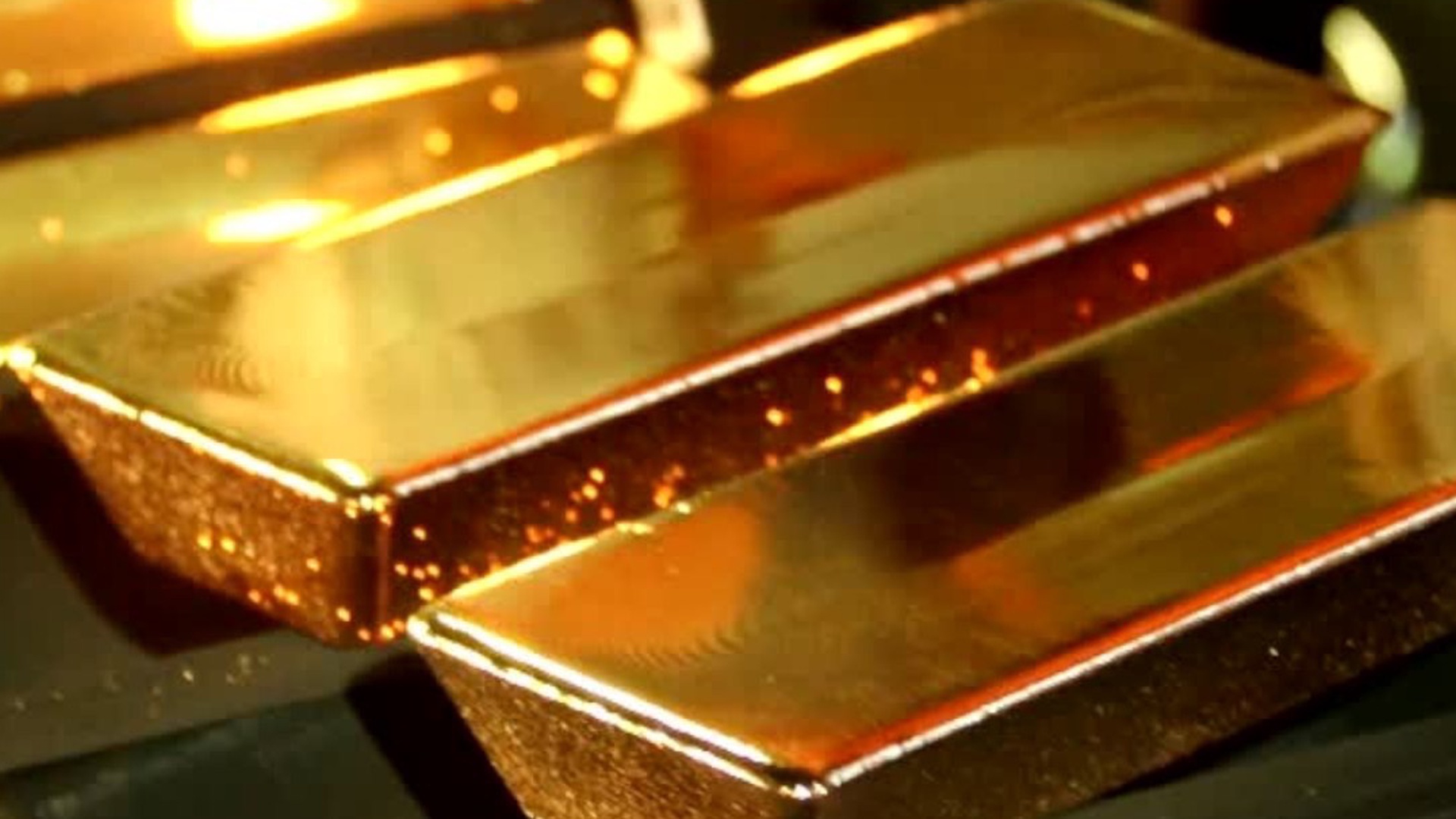
China imported more than 1,000 tonnes of gold in the first eight months of 2026, spending a record $158.8bn as investors and the central bank increased their exposure to bullion amid geopolitical uncertainty and weak returns from domestic assets. The import bill already exceeds the $96.5bn spent on 886 tonnes in all of 2025, according to figures reported by the Financial Times. Import volumes through August also surpassed last year's total, reaching record levels in customs data stretching back to 2017, Bloomberg reported.
The surge reflects sustained investment demand, a stronger yuan, and buying after international gold prices retreated from their January peak. It also underlines China's influence on the global bullion market as both the world's largest gold buyer and its biggest producer. Domestic gold output reached 384 tonnes last year, according to the World Gold Council.
Gold's appeal has strengthened as Chinese households face fewer attractive places to invest their savings. The property downturn that began in 2021 has weakened confidence in real estate, traditionally a major store of household wealth. Meanwhile, the benchmark CSI 300 stock index is down 1.8 percent this year and remains more than a fifth below its early-2021 peak. Chinese government bond yields are also close to record lows. Lisa Liu, managing director at Gold Mountains Asset Management, part of Zijin Mining Group, told the Financial Times that both official and private buyers were moving towards gold as part of a longer-term wealth preservation strategy.
"This isn't a short-term trade; it's a multiyear repositioning of household and official assets," Liu said. Chinese holdings of US Treasuries fell to $618bn in July, their lowest level since August 2008, adding context to the shift in asset allocation. Demand has also been visible in gold-backed exchange-traded funds. Chinese ETFs added around 44 tonnes through August, increasing their holdings by 18 percent from the start of the year, according to Shanghai Gold Exchange figures cited by Bloomberg. Global ETF holdings were broadly flat over the same period.
China had restrained gold purchases during the sharp rally that took bullion from about $2,625 a troy ounce at the beginning of 2025 to a record $5,595 in January 2026. The subsequent decline encouraged investors to buy at lower prices.
A firmer yuan made overseas purchases more attractive. At the same time, strong investment demand kept gold prices in China slightly above international benchmarks, creating an incentive to import, Jinrui Futures analyst Zijie Wu told Bloomberg. Wu said the currency's strength had also created favorable conditions for regulators to approve more generous import quotas.
Changes to import licensing may have contributed to the recent volumes. Bloomberg reported that a new regime introduced in June likely encouraged banks to use existing quotas allocated by the People's Bank of China.
The PBOC's continued purchases have provided additional support. In August, it bought its largest amount of bullion since 2023, extending a buying streak to nearly two years, Bloomberg reported. Analysts at Goldman Sachs believe its purchases may exceed official disclosures. They estimated that the central bank bought 35 tonnes in July, compared with the officially reported 20 tonnes, the Financial Times reported.
The broader investment backdrop is also changing. Christopher Hamilton, Invesco's head of client solutions for Asia Pacific excluding Japan, told the Financial Times that gold had become an increasingly important diversifier as government bonds offered less reliable protection against stock-market declines. For China, the combination of limited domestic investment alternatives, official-sector purchases, and persistent geopolitical concerns suggests demand extends beyond opportunistic buying after a price decline. Its scale is making Chinese investment decisions an increasingly important force in the global gold market.