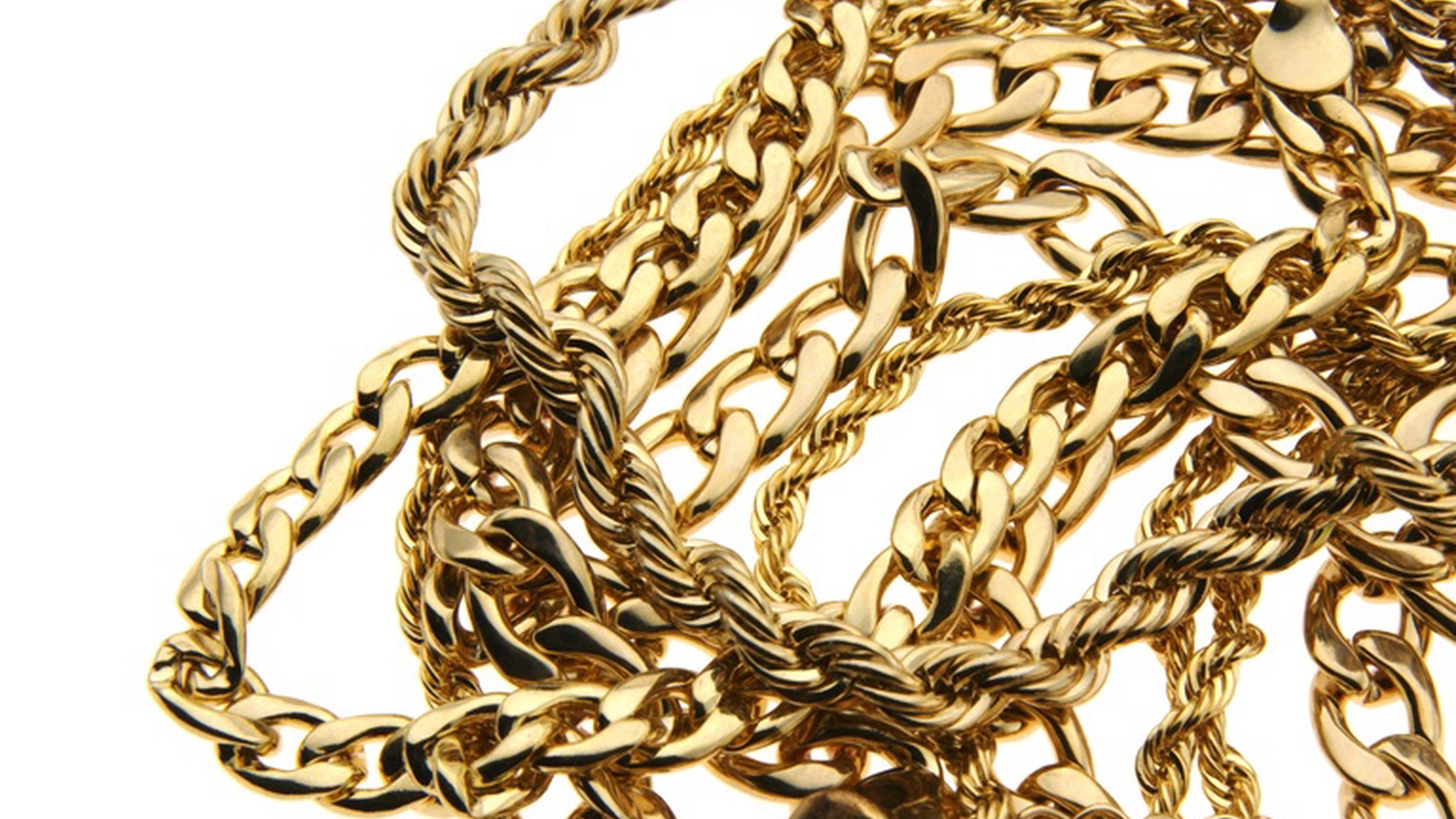
Dubai’s gold market has delivered a strong performance in 2026, with demand rising by 15% to 20% during the March-April period compared with a year earlier, underscoring the sector’s resilience despite regional conflict, volatile prices and shifting consumer behavior.
The rebound is especially notable because it came against the backdrop of war-related uncertainty in the Gulf after the US and Israel’s conflict with Iran intensified from late February, briefly disrupting trade sentiment and raising security concerns across the region. Yet after a short slowdown in early March, the market recovered quickly, supported by seasonal demand, investment buying and renewed interest from younger consumers.
According to reports citing Dubai Jewelry Group (DJG) data, the UAE’s gold market expanded sharply in March and April, outperforming expectations. The World Gold Council had estimated UAE gold demand at 7.9 tonnes during March-April 2025. This year, that figure is believed to have increased by 15% to 20%. Both jewelry purchases and investment-oriented buying of gold bars drove demand. Industry participants said younger investors played an important role, stepping into the market as prices softened briefly and gold’s appeal as a safe-haven asset strengthened. Seasonal festivals also added momentum. Akshaya Tritiya and Eid, both traditionally strong periods for gold buying, helped support retail demand and offset concerns stemming from the regional conflict.
Dubai and the wider Middle East were drawn into a tense environment after missiles and war rhetoric linked to the Iran conflict unsettled the region. The impact was felt in the gold trade, but only temporarily.DJG Chairman Tawhid Abdulla said the business was briefly hit by the war, though demand tied to festive occasions remained strong. He also noted a shift in spending patterns: while some tourists held back on gold purchases, many residents who canceled travel plans redirected that spending into gold instead.
That substitution effect proved important. Rather than weakening overall demand, reduced travel outlays appear to have channeled more household savings into jewelry and bullion purchases. Abdulla Salam of Malabar Group described the March-April period as one of the best sales periods for his company, adding that the market rebounded quickly after the first two weeks of March. April, in particular, delivered strong results as investor demand rose during price dips.
Dubai gold prices have also been highly active in recent days, reflecting global bullion movements. On Thursday morning, 24K gold traded around Dh569.50 per gram, up from Dh566.50 the day before and sharply above Dh548.50 on Monday. The 22K rate, the most common category for jewelry purchases, rose to Dh527.25 per gram from Dh524.50 on Wednesday and Dh508 on Monday.
That means 24K gold gained Dh21 per gram in just a few days, while 22K rose Dh19.25 over the same stretch. Earlier in the month, prices had briefly eased, creating a short-lived buying opportunity. On May 4, 24K gold fell to Dh546 per gram, and 22K gold dropped to Dh505.50 per gram. But the decline did not last long. Prices recovered from May 5 onward, with the biggest jump occurring between May 5 and May 6, when 24K climbed Dh18 in a single day, and 22K rose Dh16.50.For jewelry buyers, even these small per-gram changes matter significantly. A 20-gram 22K purchase would have cost roughly Dh385 more on Thursday than on Monday, before charges and VAT.
Dubai’s price gains followed a broader rise in global gold markets. International bullion stayed above $4,700 an ounce after posting a 3% jump on Wednesday, its biggest daily gain since late March. Spot gold was quoted at around $4,702.96 an ounce on Thursday.
Gold has been supported by lower bond yields and a weaker US dollar, both of which tend to enhance bullion's appeal. At the same time, investors remain focused on the US-Iran war, ceasefire pressure from China and diplomatic developments, including President Donald Trump’s visit to Beijing. Analysts say gold is no longer reacting only to inflation data. Linh Tran, a market analyst at XS, said central bank demand remains a major pillar of support. The World Gold Council reported net central bank purchases of 244 tonnes in the first quarter of 2026, up 3% year-on-year and above the five-year average.
Tran said that in an environment shaped by inflation, geopolitical tension, high energy prices and growth risks, gold continues to hold strong appeal as a defensive asset. In her view, while short-term moves may remain volatile, the medium-term case for gold is still supported by reserve diversification, ETF inflows and value-preservation demand.
Another important development is the changing economics of gold trade between Dubai and India. India recently raised the combined customs levy on gold and silver from 6% to 15%, sharply increasing import costs under the normal tariff structure. According to the Global Trade Research Initiative (GTRI), this may encourage more bullion to be routed through Dubai under the India-UAE Comprehensive Economic Partnership Agreement (CEPA), which provides a tariff advantage through a quota system.
Under the CEPA framework, gold imported from the UAE can enter India at a rate one percentage point below the standard Most-Favored-Nation tariff. With India’s latest tariff changes, that gap has widened, potentially making Dubai a more attractive route for imports. The annual quota, which started at 120 tonnes in 2022, is set to rise to 200 tonnes by 2027, equivalent to nearly a quarter of India’s annual gold imports.GTRI also pointed out that the tariff gap for silver is even wider and is expected to widen further over time as CEPA-linked duties gradually fall toward zero by 2031.
Taken together, the latest trends show that Dubai’s gold market remains robust even in a difficult geopolitical climate. A combination of festive demand, younger investors, local spending shifts, strong global bullion prices and Dubai’s strategic trading position has allowed the market to overcome a brief conflict-driven setback. While price volatility may continue, the broader fundamentals remain supportive. For now, Dubai is reinforcing its status not just as a jewelry hub, but as a resilient regional center for gold investment and trade.