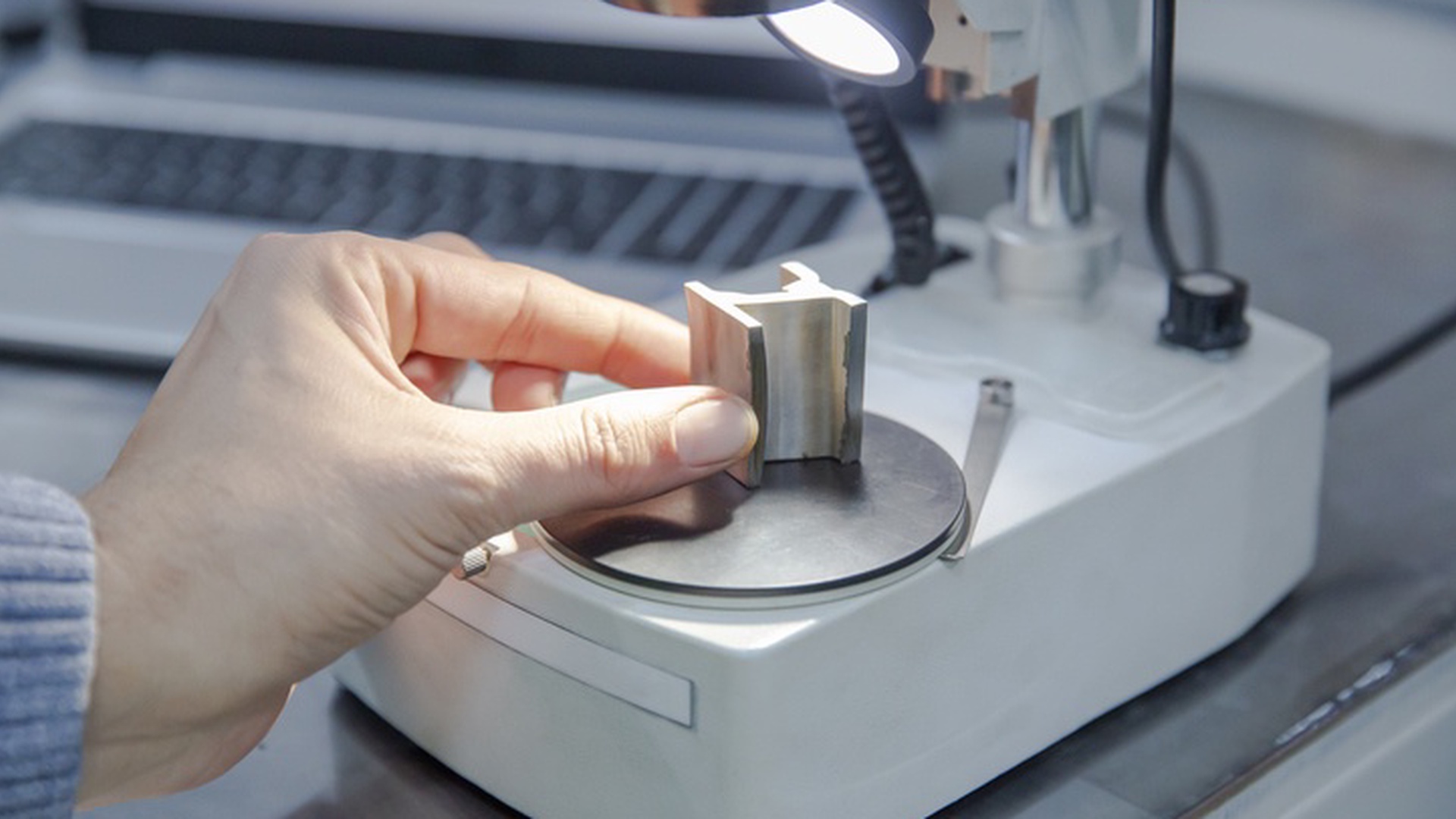
Copper, zinc, and nickel electrowinning tankhouses increasingly rely on dimensionally stable anodes (DSAs) made of titanium and coated with mixed metal oxides. These MMO anodes have displaced many legacy lead-alloy systems because they reduce cell voltage, minimize lead-bearing sludge, improve cathode purity, and maintain dimensional stability over extended operating periods. Yet when anodes reach the end of their useful service life, many operations still classify them as contaminated titanium scrap. That classification can leave a significant asset unrecognized. Spent MMO anodes are not simply titanium blades with a worn surface. They are titanium structures carrying residual iridium-containing catalyst coatings. Because anodes are normally removed when voltage rise affects operating economics, not when every gram of catalyst has disappeared, retired banks can retain meaningful quantities of iridium embedded in coating pores, mud-crack channels, and lower-current-density areas.
At the tankhouse scale, the distinction matters. A facility replacing thousands of anodes over a maintenance campaign may have several kilograms of recoverable iridium in retired inventory. Selling those blades solely by bulk titanium weight can generate tens of thousands of dollars. Assaying and refining the residual precious-metal coating may instead generate a materially larger recovery while preserving or separately crediting the titanium substrate.
Electrowinning anodes must catalyze the oxygen evolution reaction in highly acidic electrolytes. Copper SX-EW circuits commonly operate in sulfuric-acid solutions containing approximately 160 to 200 g/L sulfuric acid and 35 to 50 g/L copper. Zinc circuits can operate at even higher current densities in sulfuric-acid electrolytes, while nickel circuits may use acidic sulfate, chloride, or mixed chemistries. In each case, the anode must withstand severe oxidation conditions for years. These conditions favor iridium oxide-tantalum oxide coatings, commonly expressed as IrO₂-Ta₂O₅. A typical formulation contains roughly 65% to 70% iridium oxide and 30% to 35% tantalum oxide on a molar basis. Iridium oxide is the active oxygen-evolution catalyst, providing relatively low overpotential and strong stability under acidic anodic polarization. Tantalum oxide stabilizes the coating by maintaining its structure, slowing iridium dissolution, and reducing the effects of microscopic coating defects.
Ruthenium-based coatings, while effective in chlorine-evolution applications, are generally unsuitable for prolonged acidic oxygen evolution at electrowinning potentials. Under severe anodic conditions, ruthenium oxide can form volatile ruthenium tetroxide, resulting in rapid catalyst loss. This is why the Ir-Ta system remains the preferred architecture for demanding tankhouse service in copper, zinc, and nickel. Commercial anodes typically use titanium plate, mesh, or perforated sheet as the substrate. Grade 1 titanium is widely used because of its ductility and corrosion resistance. Heavy-duty electrowinning blades typically carry about 12 to 25 g/m² of elemental iridium equivalent, though required loading varies with electrolyte composition, current density, target life, and manufacturer design. Copper-cored, titanium-clad hanger bars often combine high electrical conductivity with corrosion resistance.
MMO anodes do not normally fail through uniform coating consumption. Instead, their service life ends through a combination of catalyst dissolution, coating cracking, mechanical spalling, and titanium-substrate passivation. The thermally formed coating often has a characteristic mud-crack structure that increases active surface area but also creates microscopic pathways for electrolyte penetration. Under anodic bias, acidic electrolyte reaches the titanium substrate and forms titanium dioxide at the interface. This oxide layer is electrically resistive. Over time, it increases resistance between the titanium base and the catalytic coating, raising cell voltage. Oxygen bubble evolution within pores and cracks can also create mechanical stress, leading to microfractures and localized coating loss.
Impurities can accelerate degradation. Manganese may oxidize at the anode surface and form manganese dioxide scale, which blocks catalytic sites and increases localized current density. Fluoride contamination can attack protective titanium oxide films, promoting pitting and coating detachment. High operating temperatures, organic extractant carryover, and repeated short-circuit events can further reduce coating life. In commercial service, operators often retire anodes after a sustained voltage rise of about 15% to 20%, or 300 to 450 mV above baseline, at comparable current density and temperature. This operational limit is driven by energy efficiency and process stability. This does not mean the catalyst coating is exhausted. Retired blades may retain approximately 20% to 35% of their original iridium loading, depending on operating history and the reason for removal.
The economic significance of a spent anode bank becomes clearer when you evaluate residual coating across the full maintenance campaign rather than by individual blade weight. Consider a representative lot of 1,000 copper electrowinning anodes, each with 2.2 m² of double-sided active area and an original coating specification of 15 g/m² of elemental iridium equivalent. Each anode would initially contain approximately 33 g of iridium, giving the complete lot an original iridium inventory of roughly 33 kg. Anodes are commonly removed from service because cell voltage rises beyond acceptable operating limits, not because the entire coating has been consumed. If the same lot is retired with approximately 25% residual loading, it may still contain about 8.25 kg of iridium, or approximately 265 troy ounces. Even under more aggressive depletion conditions, a retired bank may retain several kilograms of iridium within coating pores, mud-crack channels, and lower-current-density sections of the blade.
Generic scrap dealers may assess this material primarily by its titanium weight and may not account for the iridium-bearing MMO coating. A specialized precious-metal refiner evaluates the coating separately through representative sampling and certified assay methods, then determines recoverable metal content and settlement terms based on the verified results. Depending on residual loading, substrate condition, refining yields, and processing requirements, spent MMO anode banks may represent a profitable recovery opportunity rather than a low-value scrap stream. Phoenix Refining is interested in purchasing spent copper, zinc, and nickel electrowinning anodes and evaluating retired MMO inventory for precious-metal recovery. Facilities with decommissioned anode banks can request an assessment of residual iridium content, titanium substrate condition, and the most appropriate pathway for recoating, refining, or recycling.
Not every spent anode should be refined immediately. Titanium substrates that remain flat, structurally sound, and electrically reliable may be suitable for recoating. Under favorable conditions, a titanium anode structure may support three or four coating cycles, with a cumulative life of 15 to 20 years. However, warped blades, burned edges, damaged hanger bars, and distorted current-carrying components may no longer meet the geometric tolerances required for safe, efficient cell operation. Recoating a blade with poor flatness can create uneven anode-to-cathode spacing, current crowding, and short-circuit risk.
For damaged or obsolete inventory, direct refining offers a transparent alternative. First, rinse the anode to remove process electrolyte, neutralize it to eliminate residual acidity, dry it, and package it to prevent abrasion and liquid drainage. This preparation reduces transportation risk and helps preserve coating material during shipment.
In the United States, properly managed anodes sent for precious-metal recovery may qualify for RCRA recycling provisions, including the precious-metal recovery framework in 40 CFR §266.70. Facilities should maintain records, use appropriate chain-of-custody procedures, and verify DOT transportation requirements based on the condition of the cleaned material. For tankhouse operators, the opportunity is straightforward: treat retired MMO anodes as recoverable catalytic assets rather than low-grade scrap. A structured audit using physical inspection, portable XRF screening, representative sampling, and assay-based settlement can identify which blades should be recoated and which should enter precious-metal recovery. At the tankhouse scale, that distinction can turn a routine maintenance event into a meaningful source of recovered value.