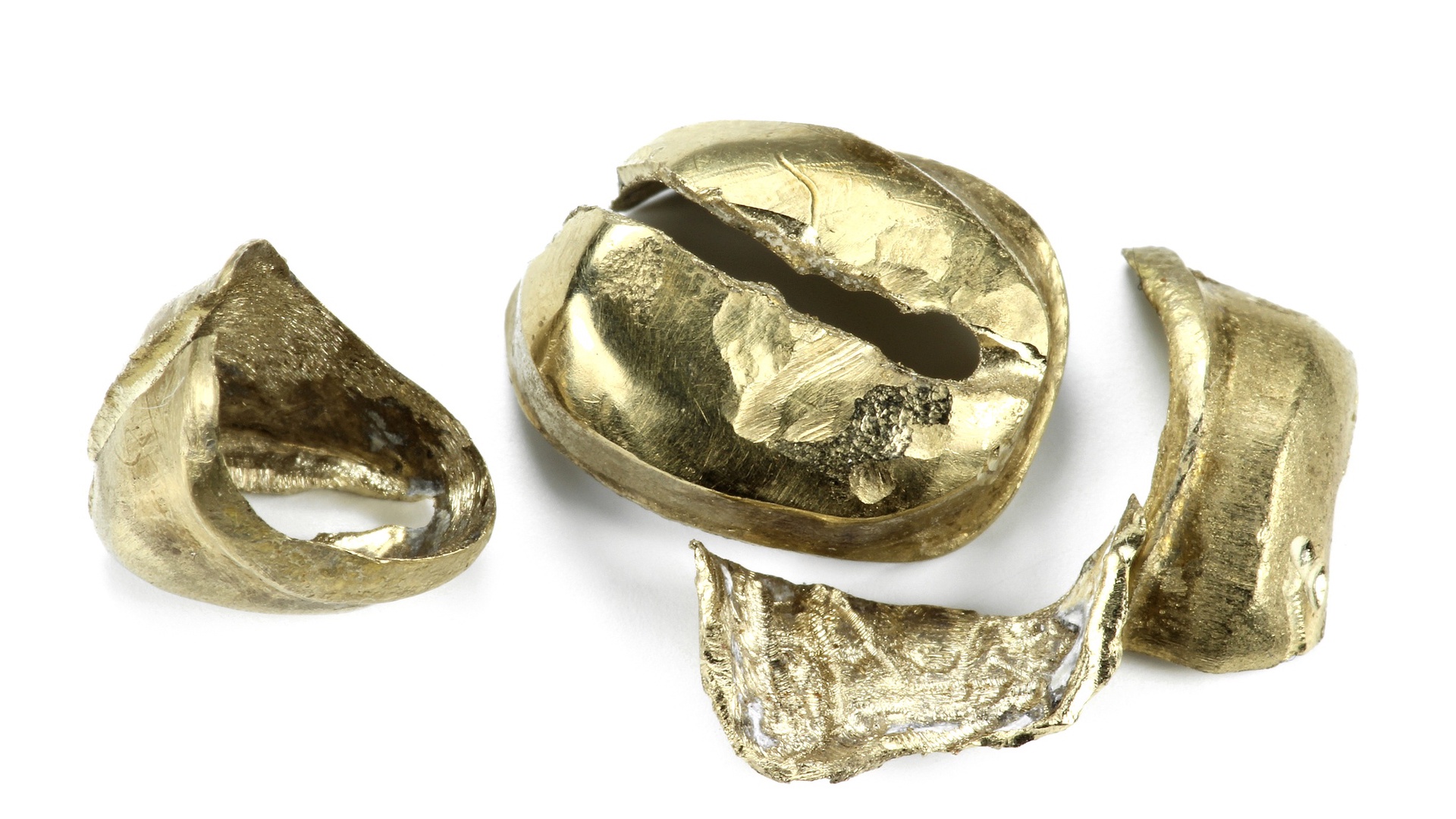
The European Union has approved sweeping new trade prohibitions targeting Sudan's gold sector, as the country's devastating civil war enters its fourth year. But analysts warn the measures, however well-intentioned, may do little to stem a conflict economy whose most important routes bypass Europe entirely.
EU foreign ministers greenlit the measures on Monday, based on a Dutch-French initiative. The restrictions include a ban on the purchase, import, or transfer of gold originating in Sudan, as well as a prohibition on the sale, supply, or export of mercury and cyanide chemicals widely used in gold mining to the country. The penalties also restrict Sudan's ability to route gold into the EU through third countries. Mercury and cyanide needed for humanitarian and public-health purposes are exempt.
"Gold has become a key source of revenue sustaining the conflict in Sudan," the EU Council said in a statement, adding that the measures are designed to "reduce the resources" available to those responsible for perpetuating the violence and to "further increase pressure on those fuelling the war." The move marks the bloc's first new penalties in months regarding the often-overlooked conflict, expanding a broader sanctions regime that has already targeted individuals and entities on various sides of the fighting.
The conflict between the Sudanese Armed Forces (SAF) and the paramilitary Rapid Support Forces (RSF), which erupted in April 2023, has triggered one of the world's worst humanitarian crises. Hundreds of thousands have been killed, well over 14 million people have been forced from their homes, and aid agencies estimate that over 28 million people face acute hunger.
Sudan is one of Africa's largest gold producers, and its reserves have become a crucial revenue source for both warring parties. The RSF controls most goldfields in Darfur and Kordofan, in the country's west and center, while the army oversees production in the north and east.
Officially, Sudan's military-backed government exported 14.7 tons of gold in 2025, down from 22.9 tons the year before. But the real numbers dwarf official figures. According to UN experts and other analysts, more than half, and by some estimates as much as 70%, of Sudan's gold is smuggled out of the country each year. The state-run Sudanese Mineral Resources Company estimates roughly $5 billion in gold was smuggled last year alone into neighboring countries, including Chad, South Sudan, and Egypt. Between 2012 and 2024, at least 400 tonnes of Sudanese gold are believed to have left the country illicitly.
Herein lies the central problem with the EU's approach: the vast majority of Sudan's gold never reaches Europe. An estimated 90% of Sudanese gold exports flow through the United Arab Emirates, a major global hub for gold refining and trade. In 2024, the UAE imported 29 tonnes of gold directly from Sudan, up from 17 tonnes the previous year, along with 27 tonnes via Egypt, 18 tonnes via Chad, and 9 tonnes via Libya. These neighboring countries are not significant producers; they serve as transit corridors that effectively launder conflict gold before it reaches Dubai's refineries.
From there, the gold enters legitimate global markets. Switzerland imported 316 tonnes of gold from the UAE between January and September 2025, more than double typical annual volumes, valued at 27 billion Swiss francs. Once melted and recast, gold from Darfur becomes chemically and legally indistinguishable from any other bar. Its history is erased in the furnace.
The SAF has accused the RSF of smuggling large quantities of gold to the UAE to fund its war effort, a claim the RSF denies. However, UN reports and European Parliament resolutions have documented the UAE's support for the paramilitary group. Meanwhile, Saudi Arabia has reportedly emerged as an alternative gold buyer for the army, adding a Gulf-rivalry dimension to the conflict's financing.
The sanctions arrive as fighting intensifies around El-Obeid, the North Kordofan capital of half a million people that serves as the strategic gateway between Khartoum and the RSF-controlled territories of Darfur. The city endured 27 drone strikes in a single month, the highest monthly total since the war began, with at least 45 people killed and 41 injured over 22 days in June. The UN human rights chief has warned that "another human rights catastrophe is unfolding."
Should El-Obeid fall, the RSF would secure an uninterrupted territorial arc from the West African borders through Darfur and Kordofan to the outskirts of Khartoum, a development that could cement a de facto partition of the country, with the army pushed back toward Port Sudan.
Experts caution that the EU's measures, while symbolically significant, are unlikely to halt the gold trade unless major international trading hubs and regional transit routes also tighten enforcement against illicit Sudanese gold. Due diligence requires clear documentation; the refineries that process smuggled gold provide them with stamped, certified, and often fictional documentation.
The structural obstacles run deeper still. The UAE, identified by numerous observers as the primary financial enabler of the RSF, sits on the UN Security Council, the very body that would need to authorize more forceful international action. Twenty years after the UN adopted the Responsibility to Protect doctrine, the states whose cooperation is needed to operationalize it remain among those most deeply implicated in Sudan's war economy. The EU ban is a start, a signal that the international community has not entirely forgotten Sudan. But the harder question remains unanswered: whether the world can summon the will to confront the refineries that launder conflict gold, the banks that finance the trade, and the states that facilitate it. Until it does, the gold will keep flowing out of Sudan, and the war it funds will keep burning.