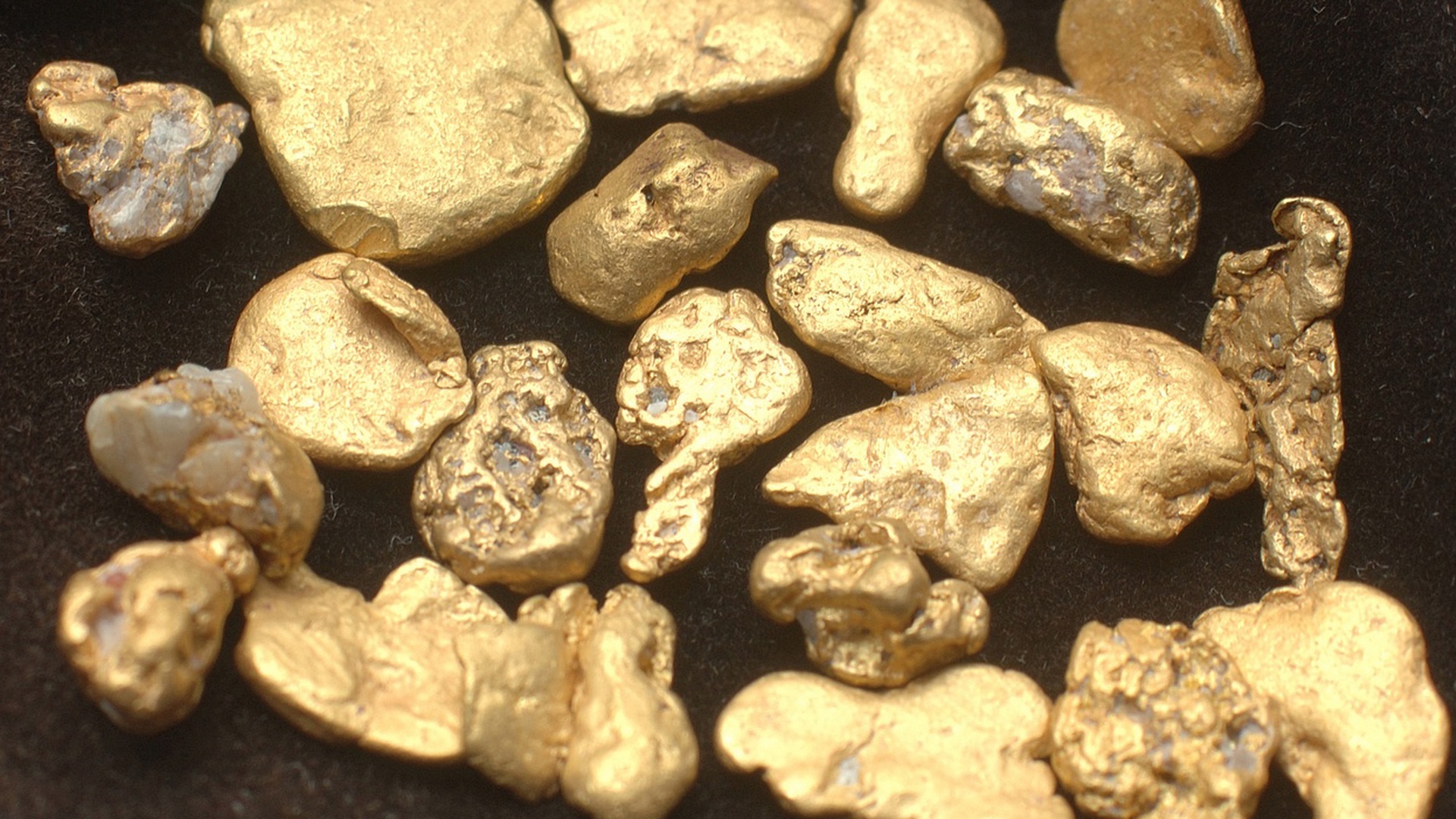
Gold prices rose to their highest levels in more than a week as easing geopolitical tensions in the Middle East, a weaker U.S. dollar, and lower oil prices boosted demand for bullion and other precious metals.
Spot gold jumped 2.8% on Wednesday to $4,685.23 an ounce by 2:10 p.m. EDT, after touching its highest level since April 27 earlier in the session. U.S. gold futures settled 2.8% higher at $4,694.30. The rally continued into Thursday, with spot gold rising another 1% to $4,735.32 an ounce by 0934 GMT and U.S. gold futures for June delivery gaining 1.1% to $4,745.90. Bullion hit its strongest level since April 23.
The latest gains came after reports suggested the United States and Iran may be moving closer to a peace agreement. Iran said it was reviewing a new U.S. proposal. In contrast, sources said Washington and Tehran were working toward a one-page memorandum to end the war in the Gulf, leaving more difficult issues such as Iran’s nuclear program for later discussion.
U.S. President Donald Trump also predicted a swift end to the conflict, reinforcing optimism that tensions in the region could ease. As hopes of a deal grew, global oil prices fell sharply. Brent crude slipped to around $100 a barrel, reflecting expectations that a peace agreement could lead to a gradual reopening of the Strait of Hormuz and reduce risks to energy supplies.
Lower oil prices helped ease fears of rising inflation, a development that could reduce pressure on central banks to keep interest rates high. That shift was particularly supportive for gold, which typically struggles when interest rates are elevated because it does not pay interest.
“The optimism about a final deal between the U.S. and Iran has caused at least some short-term relief in gold, with lower oil prices, moderated inflation concerns, and shifted biases about Fed actions later in the year,” said Peter Grant, vice president and senior metals strategist at Zaner Metals. He added that investors should remain cautious, noting that gold markets are still likely to react sharply to any new developments in the Middle East.
Analysts said lower oil prices also supported bond markets, lifting prices and pushing yields down. Benchmark 10-year U.S. Treasury yields eased, reducing the opportunity cost of holding non-yielding assets such as gold.“It’s all to do with oil prices,” said Fawad Razaqzada, market analyst at City Index. “When they go down, they tend to push up bond prices, which depresses yields because investors are now reducing expectations of rate hikes from central banks, and that in turn is supporting assets like gold and silver.”
The U.S. dollar also played a significant role in gold’s advance. The dollar index fell 0.4% on Wednesday and hovered near its lowest level in more than two months on Thursday. A weaker dollar makes gold and other dollar-priced metals less expensive for holders of other currencies, often boosting international demand.
At the same time, markets reduced bets on further Federal Reserve tightening. According to CME Group’s FedWatch tool, expectations for U.S. rate hikes by December eased to around 12% from 16% the previous day.
Investors are now turning their attention to Friday’s U.S. monthly employment report, which is expected to offer an important signal on the strength of the economy and the likely path of Federal Reserve policy. A strong jobs report could reinforce the view that the Fed can afford to keep monetary policy on hold, while signs of labor market weakness may strengthen the argument for rate cuts later this year. Ahead of the official data, the ADP National Employment Report showed that U.S. private payrolls increased more than expected in April, suggesting the labor market remains relatively resilient.
Gold also drew support from continued buying by central banks. China’s central bank increased its gold reserves for an eighteenth consecutive month, with holdings rising to 74.64 million fine troy ounces at the end of March from 74.38 million in the previous month. The steady pace of official sector buying has remained an important structural support for gold prices, even as markets respond to short-term swings in interest rate expectations and geopolitical events.
The rally in precious metals extended well beyond gold. Spot silver rose 6% on Wednesday to $77.16 an ounce and climbed another 3.4% on Thursday to $79.93, also reaching a more than two-week high. Platinum gained 4.7% to $2,044.00 before advancing a further 1.2% to $2,085.70, while palladium rose 3.3% to $1,535.00 and added another 1% to $1,553.16. Like gold, both metals benefited from the weaker dollar, easing yields and improved broader market sentiment.
While gold has been lifted by optimism over a possible U.S.-Iran peace deal, analysts warn that the market remains highly sensitive to geopolitical developments. Any setback in negotiations or renewed tensions could quickly reverse the decline in oil prices and reshape expectations for inflation and interest rates. For now, however, lower energy prices, softer yields, a weaker dollar and ongoing central bank demand have combined to push gold and its precious metal peers sharply higher.