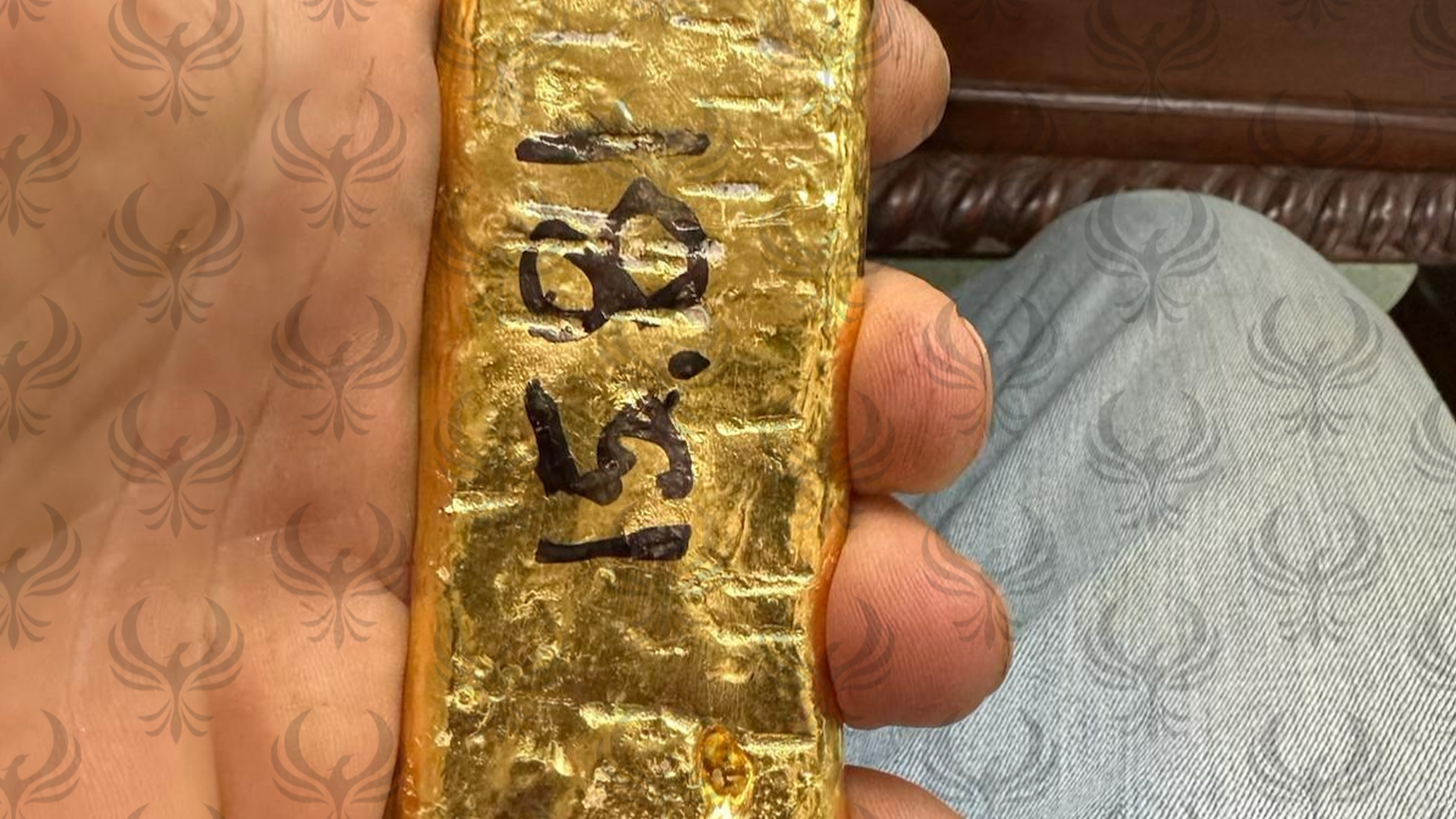
Gold edged higher on Tuesday after briefly falling to its lowest level since November, but the modest rebound did little to change the metal’s broader downward trend. Spot gold rose 0.3% to $4,027.03 per ounce by 1:40 p.m. ET, while U.S. gold futures settled nearly unchanged at $4,038.50 per ounce. Earlier in the session, spot gold had dropped as much as 1.5% to $3,957.74 per ounce, with August U.S. futures falling 1.7% to $3,971.60. The decline left bullion on track for a fourth consecutive monthly loss, with prices down more than 11% in June.
Gold is also headed for its first quarterly decline since 2024 and its sharpest quarterly fall since the second quarter of 2013. The latest weakness follows a difficult week in which prices touched a more-than-seven-month low before recovering slightly as the U.S. dollar eased. Although gold rose on Friday after the dollar weakened, the bounce was not enough to reverse the broader selloff. Spot gold gained about 1.3% to $4,077.64 per ounce at the end of last week, while U.S. futures for August delivery settled 1.2% higher at $4,096.30.
The central force weighing on gold is the outlook for U.S. interest rates. Gold is often bought as a hedge against inflation, but it becomes less attractive when rates rise because it does not pay interest. Higher rates tend to lift bond yields and increase the appeal of interest-bearing assets, drawing money away from bullion.
U.S. inflation remains well above the Federal Reserve’s 2% target. The Fed’s preferred inflation gauge, the Personal Consumption Expenditures Price Index, rose 4.1% in the 12 months through May, matching economists’ expectations. While the data briefly eased market expectations for another rate hike, traders are still pricing in a significant chance of further tightening.
According to CME Group’s FedWatch Tool, markets now see about a 67% chance of a U.S. rate hike in September, up from roughly 59% to 60% after the inflation report. That shift has kept pressure on gold despite occasional support from a weaker dollar. Marex analyst Edward Meir said persistent inflation and the possibility that the Fed could keep interest rates elevated for longer or even raise them again are weighing on bullion. Investors are now waiting for key U.S. labor-market reports, including ADP private employment data on Wednesday and nonfarm payrolls on Thursday, for clearer signals on the Fed’s next move.
Geopolitical uncertainty in the Middle East has added another layer of complexity to the gold market. While geopolitical tension can sometimes boost demand for safe-haven assets, the current conflict has also raised concerns about inflation, particularly through energy prices. Efforts to secure a lasting halt to the Iran war appeared uncertain after Iran announced that it had not scheduled any meeting with U.S. negotiators in Doha. A Qatari official also said top U.S. envoys who had arrived in Doha would not hold a high-level meeting with Iranian officials. The uncertainty followed weekend missile fire from both sides, which tested an interim ceasefire in the four-month-old conflict. “The markets are a little uneasy about how stable the MOU is, and there’s pressure on gold because people are not seeing much light at the end of the tunnel,” Meir said.
Energy prices remain an important factor. TD Securities noted that gold has recently shown an inverse relationship with both higher oil prices and a stronger U.S. dollar. If energy markets stay firm, they could reinforce inflation concerns and strengthen expectations of tighter Fed policy, putting further pressure on the precious metal.
Outside of financial markets, physical demand for gold has been mixed. In India, gold began trading at a premium for the first time in about a month and a half as the price correction encouraged buying. However, demand remained subdued in China, the world’s largest gold consumer. Longer-term demand from central banks may provide some support. A survey by the Official Monetary and Financial Institutions Forum found that central banks are more likely to reduce their exposure to the U.S. dollar over the next decade due to heightened geopolitical concerns, while they are increasing their gold holdings in the near term.
Other precious metals also remained under pressure. Spot silver rose 1.9% to $59.42 per ounce on Tuesday but was still headed for its worst quarterly decline since the first quarter of 2020. Platinum fell 1.6% to $1,549.47, while palladium slipped 0.6% to $1,206.17. Both were on track for monthly and quarterly losses. For gold, the next major catalyst will likely come from U.S. jobs data and any signs of progress or further setbacks in Middle East diplomacy. Until inflation shows clearer signs of easing or rate-hike expectations fade, bullion may struggle to regain momentum.