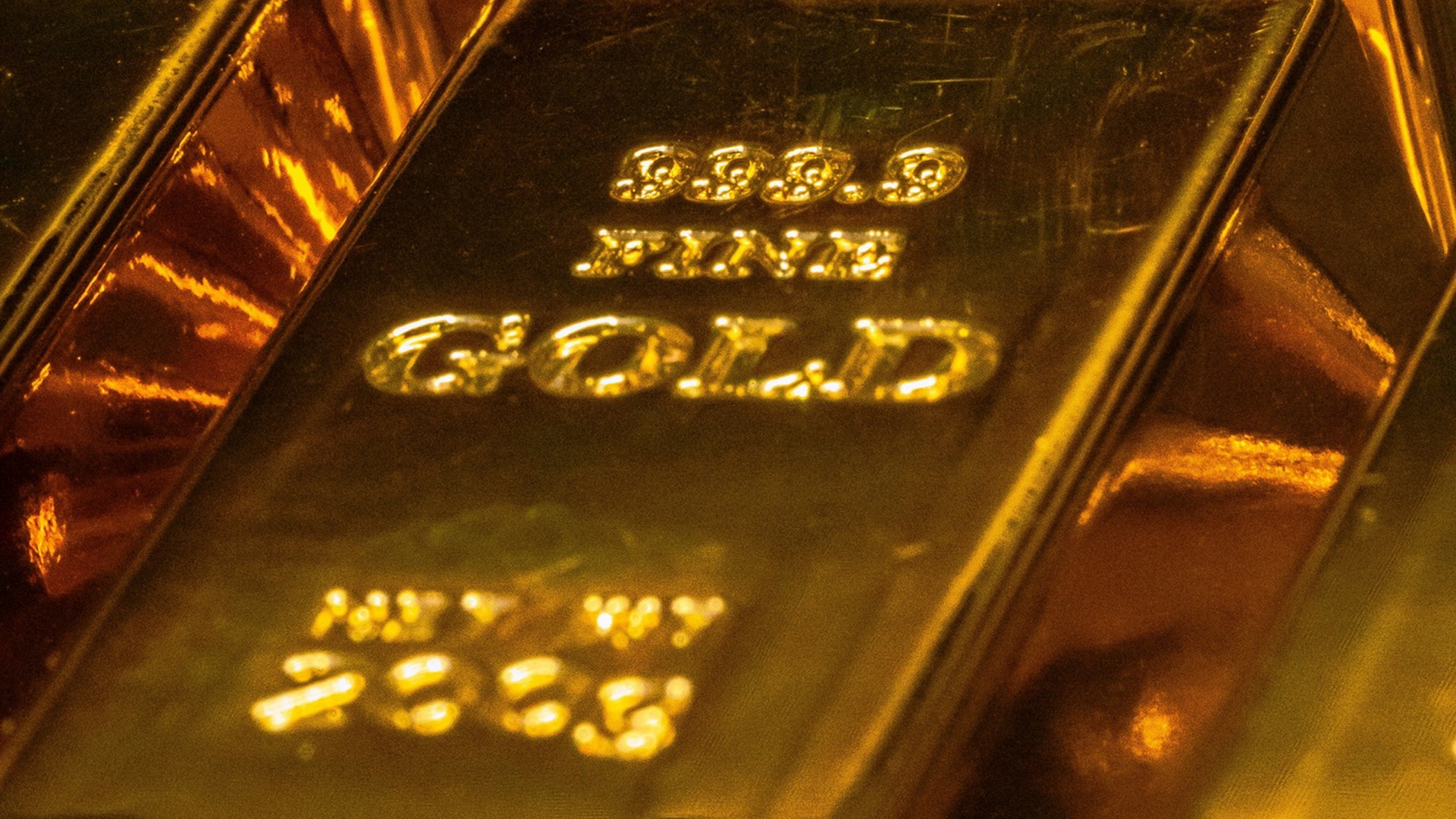
While gold has maintained a historic rally throughout 2025, it is silver that has captured the market’s attention in early December, shattering records and outperforming its yellow counterpart. Both metals closed the week on a high note, propelled by weak U.S. economic data that has all but solidified expectations for an interest rate cut by the Federal Reserve next week.
Silver has staged a dramatic breakout, hitting a fresh record high of $59.32 per ounce on Friday before settling at $58.59. The metal has now posted a staggering gain of approximately 100% year-to-date, eclipsing gold’s own impressive 60% rise over the same period. Market analysts attribute this explosive performance to a convergence of bullish factors, most notably a structural supply deficit and tight availability at exchange levels.
Beyond supply constraints, demand drivers have intensified. The metal’s recent inclusion in the U.S. critical minerals list has heightened its investment appeal, while growing industrial requirements for electrification continue to strain global stockpiles. Bart Melek, global head of commodity strategy at TD Securities, noted that silver is following the pathway of gold, with many investors viewing the white metal as relatively cheap despite its recent gains.
Gold prices rose 1% on Friday to trade around $4,212.16 per ounce, buoyed by a weakening U.S. dollar and sustained safe-haven demand. Throughout the year, gold has been supported by investors hedging against political turbulence and the unorthodox economic policies associated with the Trump administration.
Looking ahead, the sentiment remains overwhelmingly bullish. Alex Ebkarian, COO at Allegiance Gold, projects that gold could trade between $4,500 and $5,000 in 2026, depending on the Federal Reserve's monetary trajectory. However, these high prices have begun to temper physical demand in key markets. Reports indicate that buyers in India and China eased purchases this week, opting to wait for a potential correction in spot prices before re-entering the market.
The primary driver for the metals market this week was a series of economic reports suggesting the U.S. economy is cooling, reinforcing the case for lower interest rates. The ADP employment report showed U.S. private payrolls fell by 32,000 jobs in November, a sharp miss compared to economists' expectations of a 10,000-job increase and the sharpest decline in over two and a half years.
Simultaneously, inflation data provided further cover for monetary easing. The core Personal Consumption Expenditures price index—the Fed's preferred inflation gauge—showed an annual increase slowing to 2.8% in September. These data points have reshaped market expectations for the Federal Reserve's upcoming policy meeting on December 9-10. Market tools now indicate an approximate 89% probability of a 25-basis-point rate cut, a scenario that typically benefits non-yielding assets like gold and silver by reducing the opportunity cost of holding them.
The bullish sentiment extended beyond precious metals to the broader commodities market. Copper prices hit a record high mid-week, driven by a weaker dollar and tighter availability in London Metal Exchange warehouses. Platinum held steady near $1,646, while palladium saw modest gains to trade around $1,453, rounding out a strong week for the sector.