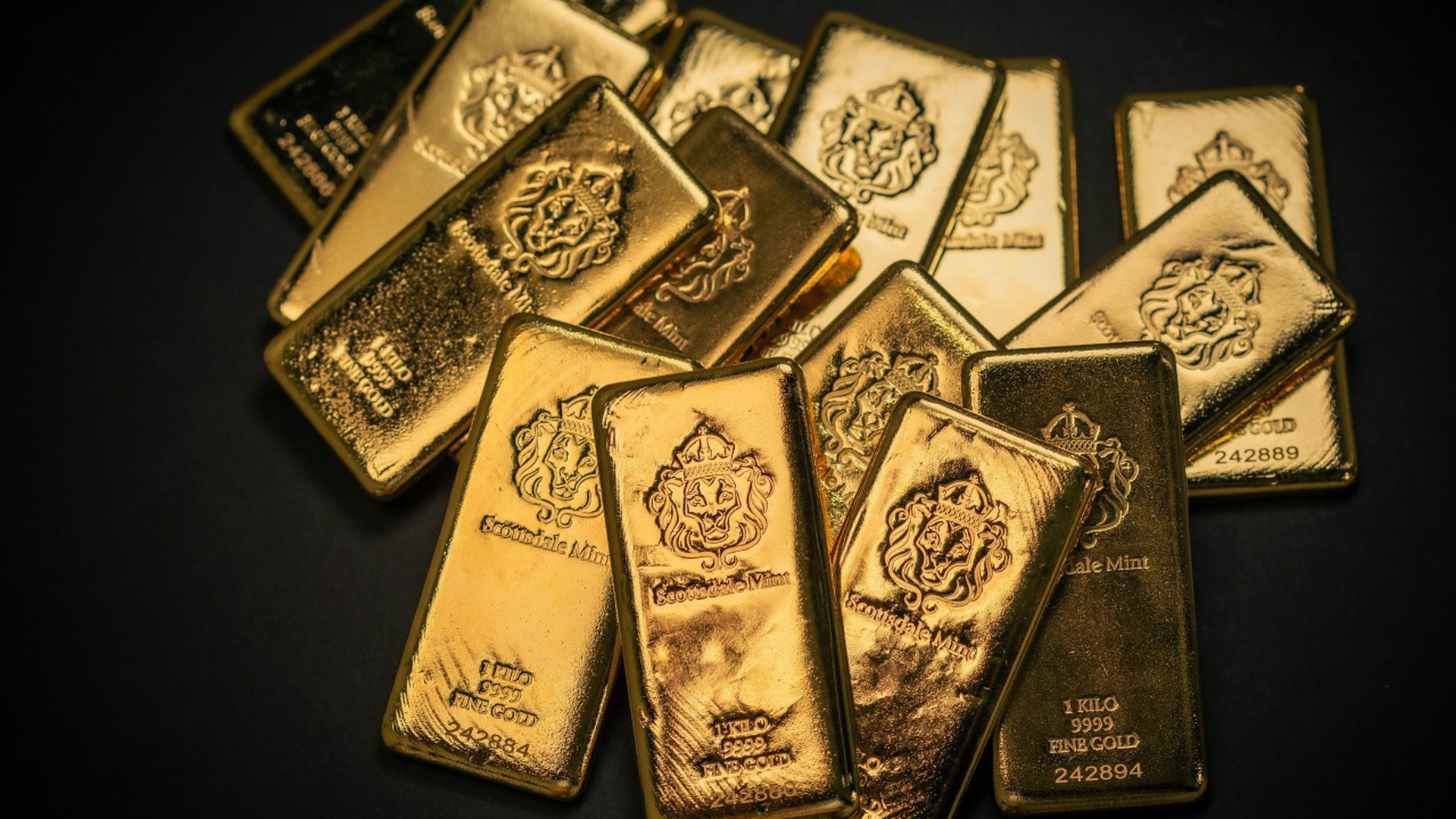
In London trading on Thursday, gold stayed near $4,160 an ounce, supported by further oil price gains and ongoing geopolitical tensions, even as the US dollar and Treasury yields kept rising. Early in the session, gold's spot price moved only a small distance before bouncing back from an intraday low of $4,139.39. The price rose 0.85% to $4,192.98 an ounce, up from $4,157.68 at the open. By the end of London trading, gold was quoted at about $4,160.57 an ounce, up 0.1%, while other market figures put it near $4,182.50, up 0.65% for the day. Silver rose 0.3% to $60.57 an ounce, while platinum and palladium fell.
Oil prices have once again risen above $100 per barrel as the Middle East conflict continues to disrupt fuel supplies. This development has helped boost gold prices by increasing worries that rising energy costs could fuel higher inflation and keep the Federal Reserve's monetary policy restrictive for longer. Over the past few months, gold has become especially responsive to changes in the oil market because rising energy costs usually contribute to overall inflation. If inflation remains persistent, it could limit the Federal Reserve's ability to cut interest rates and, in the short term, might even justify further tightening. "Geopolitical uncertainty, especially concerning the stalled talks between the US and Iran, continues to offer a safe-haven effect, while higher oil prices still represent an inflation risk," said Manav Modi, a commodity analyst at Motilal Oswal Financial Services Ltd.
The biggest obstacle to gold prices is rising government bond yields. The 10-year US Treasury benchmark yield rose about 0.95% on Thursday to about 5.34%, the highest it has been in about 20 years. Since bonds pay interest, gold does not; higher yields therefore increase the opportunity cost of holding non-interest-bearing assets such as bullion. The Bloomberg Dollar Spot Index rose 0.4%, and the US Dollar Index gained for four sessions, reaching a 17-month high near 101.85. A stronger dollar also reduces gold's appeal to foreign buyers, since dollar-priced gold becomes more expensive when measured in other currencies.
The US labor market figure strengthens the argument that the Federal Reserve should continue to focus on inflation. Initial jobless claims dropped to a seasonally adjusted 197,000 for the week ending Sept. 26, a little less than what had been expected. The figure for the previous week has been revised slightly upward to 198,000 from 197,000. The four-week moving average of initial claims—considered a more reliable measure since it eliminates weekly fluctuations—decreased to 200,000 from a previously reported 202,500. Continuing claims fell to 1.701 million for the week ending Sept. 19 from 1.712 million the week before, showing that unemployed people are still securing new jobs. Artem Bakushev, risk manager at Monaxa, said the figures should help allay recession concerns, as the labor market "refuses to buckle."
He pointed out that gold has stayed steady despite stronger labor data, suggesting long-term demand for the metal remains. Bakushev said gold's resilience despite hawkish numbers shows lasting conviction in its long-term bullish outlook.
The core personal consumption expenditures price index, the Federal Reserve's main indicator of underlying inflation, rose 0.2% in August, slightly below expectations. This more modest figure has reduced the likelihood of an immediate rise in interest rates. Currently, expectations are that there is a 37% to 38% chance of a 25-basis-point rate increase at the October meeting, compared with the earlier figure of about 70%. According to CME FedWatch data, the Federal Reserve has a 62% chance of keeping interest rates unchanged at the October meeting.
Expectations for December remain high, with markets pricing in about a 90% chance of another quarter-point rate hike by year-end. This week, Federal Reserve Governor Lisa Cook supported the tough stance, saying inflation had stayed too high for too long and had been above the central bank's 2% target for over five years.
Kyle Rodda, a senior financial market analyst at Capital.com, said the latest labor-market figures support the argument that the Fed should continue prioritizing inflation. "Another strong set of US labor market figures and a continued pattern of low unemployment claims," Rodda said, highlighting a resilient labor market and a "low firing" situation that allows the Fed to keep focusing on price pressures.
In September, gold fell 6 percent to 6.5 percent, marking its biggest monthly loss since June and its first monthly decline in three months. The drop followed the Fed's first rate hike since 2023 and a sharp rise in long-term Treasury yields.
Gold bullion fell to a low of nearly $4,111 per ounce before starting its most recent recovery. Even as prices fell, investor demand, as shown by holdings in gold-backed exchange-traded funds, has remained relatively strong. Holdings in the bullion-backed ETFs Bloomberg monitors rose by more than 60 tons in September, suggesting some investors saw lower prices as an opportunity to increase their exposure. Yet the SPDR Gold Trust, the world's largest gold-backed ETF, saw outflows of about 1.71 metric tons on Wednesday. This marked the second straight day of decline, bringing its total holdings down to 1,055.70 metric tons.
Investors are now focused on Friday's US employment report, which could shape expectations for interest rates, Treasury yields, and the dollar. A stronger-than-expected jobs report could reinforce expectations of another Fed rate increase, potentially lifting yields and putting renewed pressure on gold. Conversely, signs that hiring is slowing could weaken the dollar, reduce rate-hike expectations, and offer further support to bullion. For now, gold remains caught between opposing forces: resilient safe-haven demand driven by geopolitical uncertainty and rising oil prices and pressure from a strong dollar, historically high Treasury yields, and the prospect of further Federal Reserve tightening.