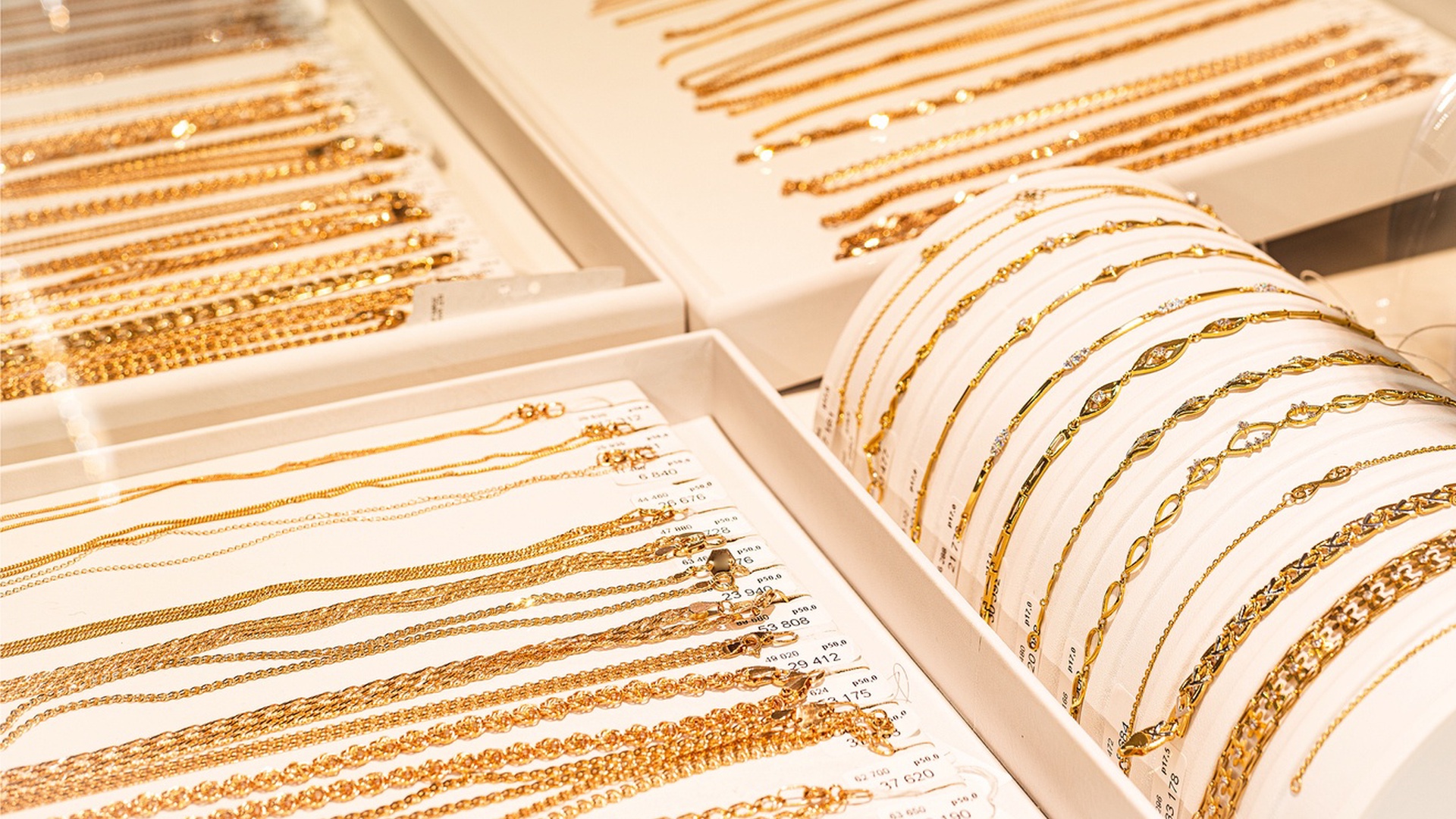
Gold prices in Dubai rebounded sharply on Wednesday morning, climbing back above Dh621 per gram after a steep fall a day earlier, underscoring the intense volatility gripping global bullion markets amid escalating geopolitical tensions and shifting interest-rate expectations.
The price of 24-karat gold in Dubai rose to Dh621.25 per gram at around 9:30 am on Wednesday, up from Dh614.25 on Tuesday. The 22-karat variant rose to Dh575.25 per gram, up from Dh568.75 a day earlier. The recovery follows one of the year’s most dramatic swings, with prices briefly surging above Dh640 earlier this week before tumbling sharply as investors liquidated positions across global markets.
The turbulence comes as the Middle East conflict enters its fifth day, with rising tensions between the US, Israel and Iran sending shockwaves through commodities, currencies and equities. Gold initially rallied aggressively on safe-haven demand, with spot prices surging above $5,400 per ounce at one stage. UAE retail rates mirrored the spike, with 24K gold touching Dh646.50 per gram on Tuesday morning before retreating.
However, the rally proved short-lived. As oil prices jumped more than 8% and the US dollar strengthened, investors began reassessing inflation risks and expectations for Federal Reserve policy. That triggered heavy profit-taking, resulting in a more than 4% drop in gold in a single session, one of the sharpest declines in recent months. By Wednesday, dip buyers stepped back in, helping spot gold rebound toward the $5,150–$5,200 range.
Analysts say the metal is currently caught in a tug of war between safe-haven flows and macroeconomic pressures.“In the near term, gold remains caught between safe-haven demand and macro pressure,” analysts at ING said. “Sustained upside would require either prolonged geopolitical stress or renewed Fed easing.”
A key driver of the volatility is the growing risk around the Strait of Hormuz, through which roughly 20% of global oil and gas flows. Iran has warned that the waterway is closed and threatened to target vessels attempting passage, prompting insurers to withdraw coverage and sharply reduce maritime traffic.
The resulting surge in crude prices has amplified global inflation concerns, complicating the outlook for US interest rates. According to the latest CME FedWatch data, the probability of the Federal Reserve holding rates steady in March has climbed above 97%, while expectations for a June rate cut have dropped sharply. Rising bond yields and a firmer dollar typically act as headwinds for gold, which does not pay interest. Josh Gilbert, market analyst at eToro, noted that a stronger dollar and higher yields could “overwhelm the metal’s safe-haven status” if inflation fears persist.
Compounding the uncertainty are logistical disruptions affecting Dubai, one of the world’s most important gold trading hubs. The emirate handles an estimated 20% of global gold flows and serves as a critical transit point between Europe, Africa and Asia, particularly India.
Following regional airspace closures and flight suspensions, shipments have been delayed, creating bottlenecks in physical supply chains. Gold is typically transported in passenger aircraft in consignments of up to five tonnes, with each flight now valued at more than $800 million at current prices.“The availability of gold became a problem after flights were suspended. This caused a sharp jump in domestic prices in India,” said John Reid, senior market strategist at the World Gold Council.
Airlines are prioritising perishable goods, leaving precious metals awaiting transport. Silver shipments have faced even greater challenges, particularly from London, where inventories have reportedly accumulated amid rerouting delays. Meanwhile, China is grappling with a decade-low silver stockpile due to strong demand. February and early March have delivered dramatic price swings for UAE gold buyers. At the start of February, 24K gold was trading near Dh590 per gram, with 22K around Dh550. Prices steadily climbed through the month, breaking above Dh600 mid-February and frequently hovering between Dh620 and Dh630 in the final weeks.
The latest correction to Dh614 triggered renewed interest from buyers who had been waiting for a pullback, a strategy long favoured by seasoned investors.“The intention is to buy when gold prices take a dip,” traders say, noting that bargain hunting quickly returned once prices eased. Wednesday’s rebound above Dh621 reflects that renewed appetite.
Technically, gold has managed to hold above the psychological $5,100-per-ounce level, with analysts watching for resistance near the $5,340 mark. The Relative Strength Index has recovered from oversold territory but still indicates consolidation.
Despite short-term turbulence, major financial institutions remain constructive on gold’s long-term outlook. JPMorgan has maintained a $6,300 target by end-2026, while BNP Paribas and UBS also project further upside, citing sustained central bank purchases and geopolitical uncertainty.
Strategists at Neuberger Berman argue that commodities are performing their traditional role as portfolio diversifiers during geopolitical shocks.“Scarcity was already the story,” said Hakan Kaya of Neuberger Berman. “The geopolitical shock reinforces these trends, but it did not create them.”
In the short term, traders are closely monitoring movements in the US dollar index, Treasury yields and oil prices for direction. Any easing of Middle East tensions or a shift in Federal Reserve tone could provide renewed upward momentum for gold. Conversely, sustained energy-driven inflation could weigh on prices.