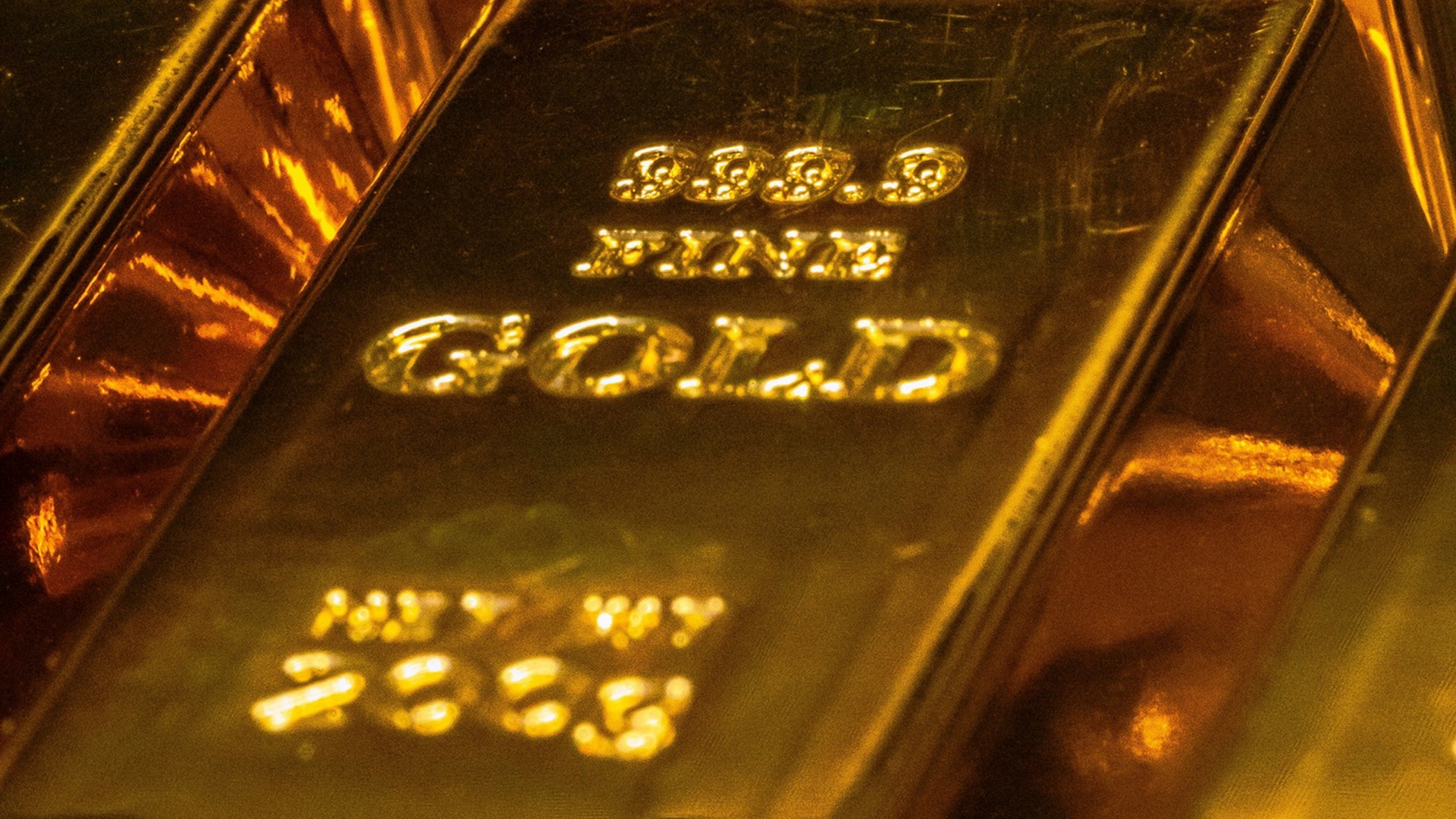
Gold prices retreated this week as a surging U.S. dollar and fading expectations for Federal Reserve rate cuts overshadowed safe-haven demand driven by the escalating war in the Middle East. Spot gold fell sharply in U.S. trading, at one point dropping as much as 1.7%, while U.S. gold futures settled more than 3% lower. The decline came even as the conflict between the U.S. and Iran entered its sixth day with no clear resolution, underscoring how macroeconomic forces are currently exerting greater influence on bullion than geopolitical risk.
The primary headwind for gold has been renewed strength in the dollar and rising Treasury yields. The Bloomberg Dollar Spot Index advanced as investors sought liquidity, making dollar-denominated gold more expensive for holders of other currencies. At the same time, Treasury yields climbed for a second consecutive session, reflecting growing concerns that the conflict’s inflationary impact could keep interest rates higher for longer.
Oil prices have surged at one point, posting their largest jump in four years, amid fears of prolonged supply disruptions after Iran signaled the closure of the Strait of Hormuz. Damage to energy infrastructure and stalled tanker traffic have heightened expectations of sustained strength in crude, gas, and refined products. Higher energy costs are feeding inflation concerns, prompting traders to reassess the Federal Reserve’s policy path. Swaps markets now price in roughly 35 basis points of rate cuts by year-end, down sharply from around 60 basis points expected just a week earlier. Some analysts warn that the Fed could even consider rate hikes if price pressures intensify.
For gold, which yields no interest, the prospect of higher-for-longer rates is typically negative.“The move lower in gold appears to be driven by a flight to liquidity a flight to cash,” said Bob Haberkorn, senior market strategist at RJO Futures. “We have a strong dollar and bond yields trading higher.”
The conflict has nonetheless injected volatility into global markets. President Donald Trump has pledged to continue military operations against Iran “for as long as it takes.” At the same time, Tehran’s retaliatory strikes have targeted regional assets, including the United Arab Emirates, a critical hub in the global gold trade.
Temporary airspace closures in Dubai disrupted bullion shipments between London and Asia, forcing traders to reroute consignments. While the logistical impact appears limited for now, a prolonged shutdown could strain supply flows to major buyers such as India and China. Despite these tensions, the geopolitical “war premium” in gold appears partially offset by broader market dynamics. Global equities initially sold off before recovering, and some investors reportedly sold gold to raise cash and cover losses in stock markets.“Some of the weakness in gold looks driven by equity-led risk-on moves, particularly during the U.S. session, with investors using gold as a source of liquidity rather than questioning the fundamentals,” said Ewa Manthey, a commodity strategist at ING. “That pressure tends to ease once equity momentum fades.”
Even with the recent pullback, gold remains one of the year’s top-performing assets. Prices are up roughly 17% to 23% in 2026, depending on the measure, after hitting a record above $5,595 an ounce in late January. Geopolitical instability, trade tensions, concerns about central bank independence, and sustained central-bank buying have underpinned the rally.
Analysts at TD Securities maintain that gold remains a preferred hedge during oil shocks and geopolitical upheaval. “Gold is set to benefit from geopolitical instability, less risk appetite and inflation concerns amid skyrocketing energy costs,” the bank wrote in a recent note, adding that speculators who had trimmed long positions may view current developments as an opportunity to re-enter the market. Still, in the near term, bullion’s trajectory will likely hinge less on battlefield developments and more on incoming inflation data and signals from the Federal Reserve.
As long as the dollar remains strong and rate-cut expectations continue to recede, gold may struggle to regain upward momentum despite the intensifying conflict that would ordinarily fuel its appeal as a haven.