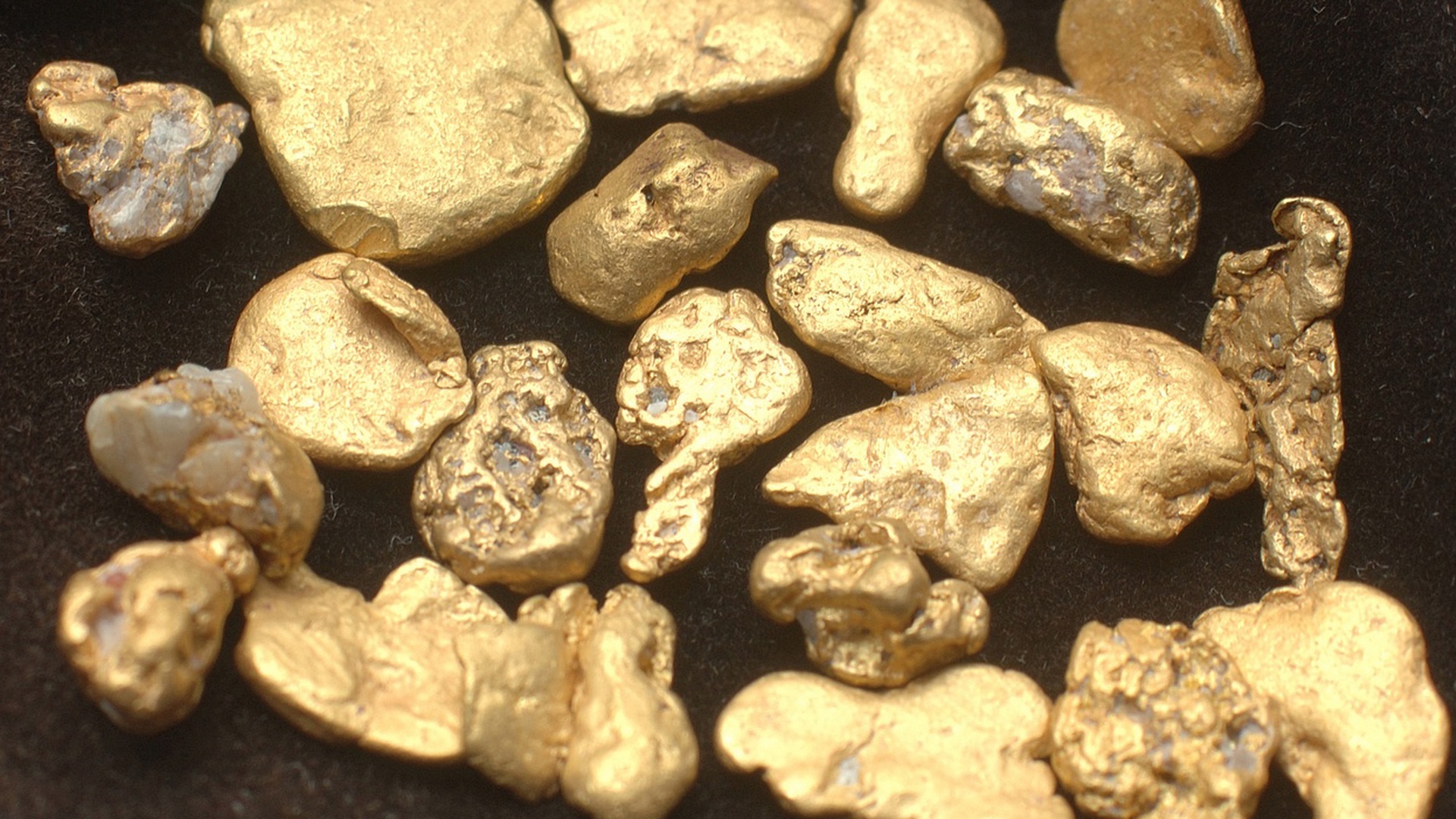
Gold has long been treated as the ultimate store of value, the asset investors and nations turn to when war, inflation, and financial instability threaten everything else. But the current conflict in Iran has posed an uncomfortable challenge to that reputation. Since the war began, gold has fallen sharply, dropping about 15% and at one stage as much as 27% from its January intraday peak. Instead of acting as a haven or a reliable geopolitical hedge, the metal has sold off into the crisis.
That has prompted a broader reassessment of gold’s role in modern markets. The recent decline does not necessarily mean gold is finished as a reserve asset or portfolio diversifier. But it does suggest that the old assumption that gold automatically rises when fear surges is no longer dependable. At the same time, a major structural shift may now be underway: central banks, which have been the largest buyers of gold in recent years, are beginning to consider selling or leveraging some of their holdings to meet urgent fiscal and balance-of-payments needs, particularly for energy imports and defense spending.
The current sell-off has been striking because it runs counter to gold’s traditional narrative. Historically, war and geopolitical shocks have often supported bullion prices. Across major conflicts over the past 50 years, gold has tended to rise modestly on the outbreak of hostilities and to post gains over the following month. By that standard, the war in Iran has been a clear disappointment.
Still, gold’s weakness in a crisis is not without precedent. In both the 2008 global financial crisis and the Covid shock of March 2020, gold initially fell as investors scrambled for liquidity. That pattern appears to be repeating now. Gold is easy to sell, highly liquid, and many holders are sitting on large profits after a huge run-up. Even after the recent decline, it remains up more than 50% over the past year and more than 150% over the past five years. In moments of market stress, winning positions are often sold first to cover losses elsewhere. That helps explain why gold has behaved less like a refuge and more like what some analysts call a “liquidity valve,” an asset investors tap when they need cash fast.
Several factors have combined to pressure gold lower during the Iran conflict. First, the metal was arguably overbought before the war began. Gold had surged into late January amid fears of dollar debasement, sticky inflation, and geopolitical anxiety. In that sense, some of the “war premium” may have been priced in before the first shots were fired.
Second, market panic has triggered margin calls and broader deleveraging. In volatile episodes, investors often sell what they can, not necessarily what they want to. Gold’s liquidity makes it an obvious source of cash. Third, the energy shock tied to the conflict has changed interest-rate expectations. Rising oil and gas prices have pushed inflation expectations higher and reduced hopes for rate cuts. That is generally a headwind for a non-yielding asset like gold. At the same time, the US dollar has strengthened as a haven, and because gold often moves inversely to the dollar, that has added further pressure. Taken together, these forces have left gold looking less like an anti-fragile asset and more like a volatile component of the broader market sell-off.
The current episode also fits a wider academic and market debate: whether gold’s haven status has been eroding over time. Recent research in the Global Finance Journal finds that gold’s behavior has changed materially over the past two decades. The study identifies two distinct eras: a relatively stable period from 1987 to 2005, when gold more consistently behaved like a hedge or haven, and a volatile period from 2006 to 2024, when that role weakened. In the earlier era, gold tended to maintain a negative correlation with stocks during market stress. In the later era, those relationships became unstable and often turned positive.
That matters because a haven is not just an asset that sometimes rises in crises. It remains uncorrelated with, or even negatively correlated with, risk assets precisely when investors need protection. According to the research, gold increasingly failed that test during the most volatile episodes, including the global financial crisis and the COVID pandemic, when its correlation with equities turned positive. In those conditions, adding gold could actually increase portfolio volatility rather than reduce it. The implication is not that gold has become useless. Rather, it may function more as a diversifier than as a reliable crisis hedge, and even that role may depend heavily on the nature of the shock.
The most important new market dynamic is on the official side. For the past four years, central banks have been the dominant source of structural demand for gold. According to the World Gold Council, they now hold more than $4.3 trillion in gold reserves and account for roughly a fifth of the market, about double their long-term historical share.
This buying spree accelerated after Russia invaded Ukraine in 2022, when the freezing of roughly $330 billion of Russian reserves by Western governments underscored the vulnerability of conventional foreign-exchange assets. Gold, by contrast, offered reserve diversification outside the dollar-based financial system. China has led much of that accumulation, while countries such as Poland and Turkey have also been active buyers.
But the same countries that bought gold for strategic protection may now need to use it. The surge in energy costs has hit import-dependent economies especially hard, and defense spending is rising rapidly in an increasingly unstable world. For some central banks, selling part of their gold holdings or using them as collateral is becoming a practical option. Poland’s central bank governor has already raised the possibility of sales. Turkey is reportedly considering using gold held at the Bank of England as collateral to support the lira. Russia, according to the World Gold Council, has been the largest seller this year, perhaps to help defend its currency.
This is exactly what reserves are for: not simply to sit untouched, but to be deployed in emergencies. Given gold’s extraordinary appreciation in recent years, monetizing part of those gains to meet pressing national needs is financially rational.
There are also signs that official-sector demand is cooling. The World Gold Council estimates that central banks bought just five net metric tons of gold in January, well below last year’s monthly average of 27 tons. That does not mean the long-term diversification trend is over. Geopolitical fragmentation, sanctions risk, and distrust of dollar-denominated reserves remain powerful incentives for many countries to hold bullion.
But it does suggest that the era of relentless one-way official buying may be giving way to something more mixed. Some central banks may continue accumulating at lower prices. Others may sell to pay energy bills, shore up currencies, or fund military expenditures. That would create a more balanced two-way market, replacing the strong official bid that has helped underpin gold in recent years.
Gold’s recent fall does not, by itself, prove that its long-term role is broken. It has suffered sharp corrections before and then recovered strongly. The initial declines during 2008 and 2020 were followed by major rebounds once broader panic subsided. If liquidity-driven selling fades and market volatility eases, gold could stabilize and recover.
But the outlook is no longer as simple as “geopolitical stress equals higher gold.” Today’s market is shaped by a more complicated mix of inflation shocks, higher real and nominal yields, a stronger dollar, and reserve managers who may be as likely to sell as to buy.
The result is that gold appears to be transitioning from a one-directional fear trade into a more nuanced and contested asset. It may still serve as a store of value over long periods. It may still attract demand from countries wary of sanctions or dollar dependence. But in acute crises, especially those that trigger forced selling and tighter monetary expectations, it may fail to provide the shelter investors expect.
That is the real lesson of the Iran conflict. Gold has not ceased to matter. But its reputation as an automatic haven is under serious pressure, and the next phase of the market may be defined less by blind faith in bullion than by a harder-headed recognition of what reserves and safe havens are actually for.