The global silver market is entering a period of major structural change. Traditionally, silver has had two identities: a precious metal used as a store of value and an industrial metal valued for its electrical conductivity. In 2026, the industrial side of silver is becoming increasingly dominant. The biggest driver is solar power. Photovoltaic solar manufacturing now consumes roughly one-fifth of the annual global silver supply. As countries accelerate renewable-energy deployment, silver has become a critical material for solar panels, electronics, and electrification. China’s historic surge in silver imports in early 2026 revealed just how tight the physical market has become.
The immediate catalyst was China’s decision to eliminate its 9% value-added tax export rebate for photovoltaic products. The policy applied to solar cells, modules, inverters, and other clean-energy goods. It was announced in January 2026 and took effect on April 1. For years, the rebate helped Chinese solar manufacturers maintain extremely low export prices. By refunding part of the VAT paid on inputs, the policy supported high-volume exports and allowed producers to compete aggressively in global markets, even when margins were thin.
Removing the rebate changed those economics. Manufacturers knew that products shipped after the April deadline would lose a major margin cushion. As a result, they rushed to produce and export as many solar modules as possible before the policy took effect. This rush compressed months of demand into the first quarter of 2026. That rush flowed directly into the silver market. Solar cells require silver paste to form conductive grid lines. As module makers accelerated production, silver paste producers had to quickly buy large amounts of physical silver, triggering a major demand shock.
China’s silver imports surged to historic levels. In March 2026, the country imported about 836 tonnes of silver, a 78% increase from February and far above normal seasonal levels. Across the first quarter, imports reached roughly 1,626 tonnes, the highest Q1 total on record.
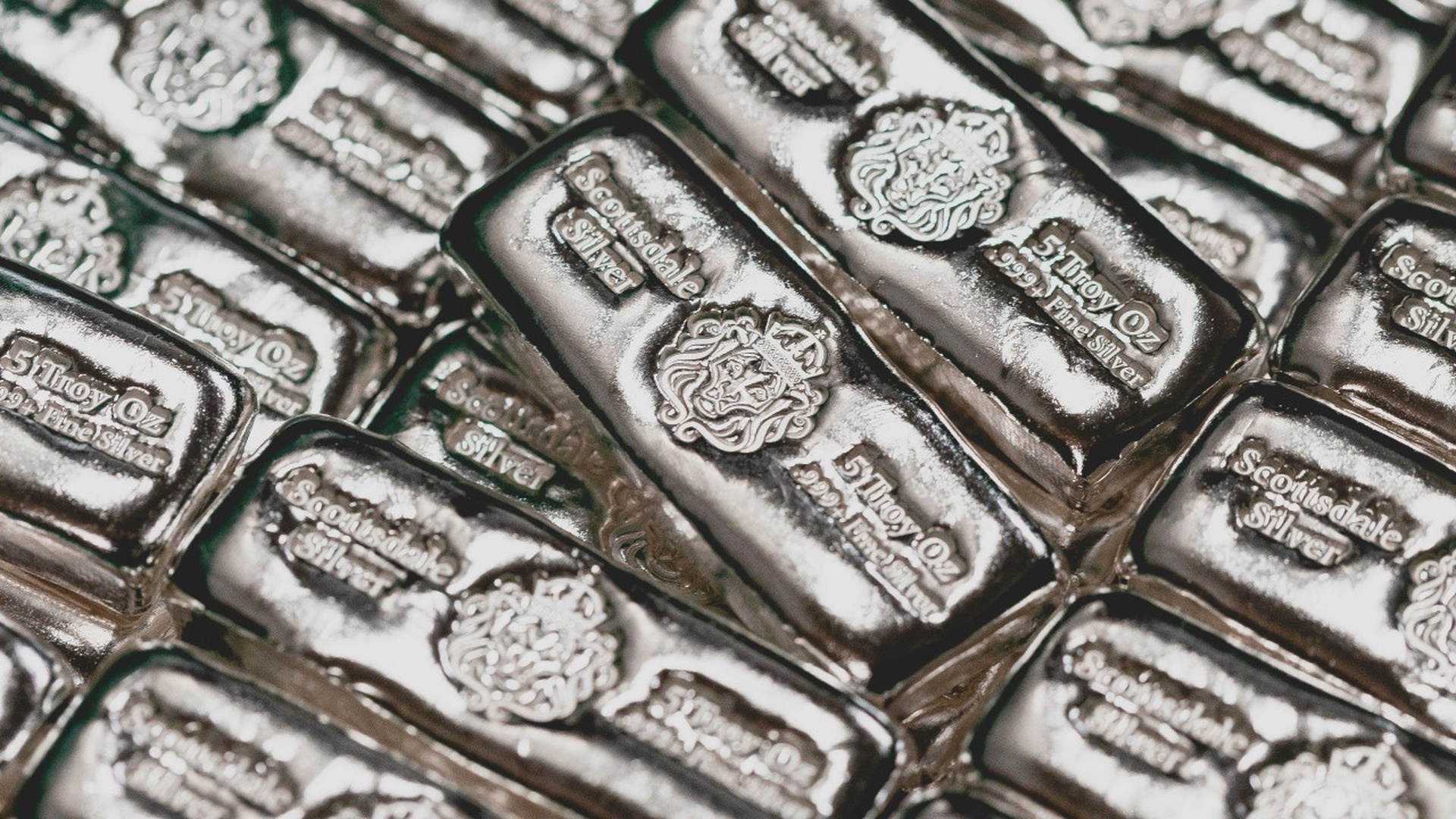
Retail buying reinforced this industrial demand. China’s weak property sector, soft consumer confidence, and deflation concerns pushed households toward precious metals. With gold prices high, many smaller investors chose silver bars as a more affordable store of value. The combination of solar-sector buying and retail investment demand produced a sharp local shortage. Silver traded on the Shanghai Gold Exchange at a premium of more than 14% to London prices. This premium encouraged traders to move physical metal from Western vaults to China. Delivery times stretched dramatically. What normally took two to four weeks began taking twelve to sixteen weeks. The episode showed that the global silver market had far less freely available metal than headline inventory figures suggested.
Silver is essential to solar cells because it is the most electrically conductive metal. In photovoltaic modules, silver paste is printed onto silicon cells to create fine conductive lines known as fingers and busbars. These lines collect and transport electrons generated by sunlight.
Efficiency is crucial in solar manufacturing. Even small improvements in cell efficiency can determine whether a manufacturer is competitive or whether a utility-scale project meets its return targets. Because silver minimizes electrical resistance, it helps maximize power output. The industry’s shift toward advanced solar technologies has not eliminated silver dependence. Newer cell types, such as TOPCon and heterojunction cells, are more efficient than traditional PERC cells but require specialized silver pastes. Heterojunction cells, for example, use low-temperature processes that often demand high-purity silver pastes, making silver a significant cost factor.
The surge in silver prices has created serious pressure on solar manufacturers. In earlier years, silver paste represented a relatively small portion of solar cell production costs. By 2025 and 2026, higher silver prices and more advanced cell designs had pushed silver paste into one of the largest cost categories.
The removal of China’s export rebate added another layer of pressure. Manufacturers could no longer rely on the same tax support to absorb costs. As a result, module prices were expected to rise, with some forecasts projecting a rise from around $0.086 per watt before the April deadline to nearly $0.098 per watt later in 2026. This change affects manufacturers beyond just those in China. Higher module prices can affect the economics of solar projects worldwide, including the levelized cost of electricity for large-scale renewable energy projects.
To protect margins, solar companies are accelerating efforts to reduce silver consumption. The fastest near-term option is silver-coated copper paste. This material uses copper particles coated with a thin layer of silver, reducing the use of pure silver by 50% to 80% while remaining compatible with many existing production lines. A more ambitious solution is copper electroplating. This process can replace almost all silver in solar cell metallization by depositing copper directly onto the cell surface. However, it requires new equipment, higher capital spending, and longer implementation timelines. These technologies may eventually reduce solar’s dependence on silver, but they will not immediately solve the 2026 shortage. For now, the industry remains tied to physical silver supply.
China’s import surge hit a market that was already under stress. The silver market has been running annual deficits for several years, with demand consistently exceeding supply. Industry estimates suggest 2026 will mark the sixth consecutive year of deficit.
A major problem is that the supply of silver mines cannot respond quickly to higher prices. Around 70% of silver is produced as a byproduct of lead, zinc, and copper mining. That means silver output depends largely on the economics of those base metals, not on the silver price alone. Primary silver mines face additional challenges, including declining ore grades, rising costs, permitting delays, and long development timelines. A new mine can take seven to ten years to move from discovery to production. This makes the silver supply response slow and limited.
With mine supply constrained, recycling is becoming essential. Secondary supply already provides a meaningful share of annual silver supply, and high prices are making more recovery projects profitable. Electronic waste is one of the most attractive sources. Printed circuit boards, smartphones, and other electronics can contain much higher concentrations of silver than natural ore. Recovering silver from these materials can require far less capital and energy than traditional mining.
Industrial sources are also important. Spent chemical catalysts, plating solutions, manufacturing wastewater, and photographic residues all contain recoverable silver. Technologies such as hydrometallurgy, electrowinning, ion exchange, and advanced chemical leaching can recover high-purity metal from these waste streams. Solar panels themselves will become a major future source. As older panels reach the end of their lives, recycling facilities can recover silver from their conductive grid lines. Mechanical separation, chemical leaching, and laser-based processes are all being developed to improve recovery rates.
China’s removal of solar export rebates did not create the global silver shortage, but it exposed and intensified it. The policy caused manufacturers to front-load solar production, triggering a surge in silver imports and draining physical supply from the global market.
The broader lesson is clear: silver is no longer just a precious metal influenced by monetary policy and investor sentiment. It is now a critical industrial material tied directly to solar expansion, electronics manufacturing, and national supply-security strategies. Until solar manufacturers reduce silver use at scale and recycling infrastructure expands significantly, physical silver will remain a volatile and strategically important bottleneck in the global energy transition.