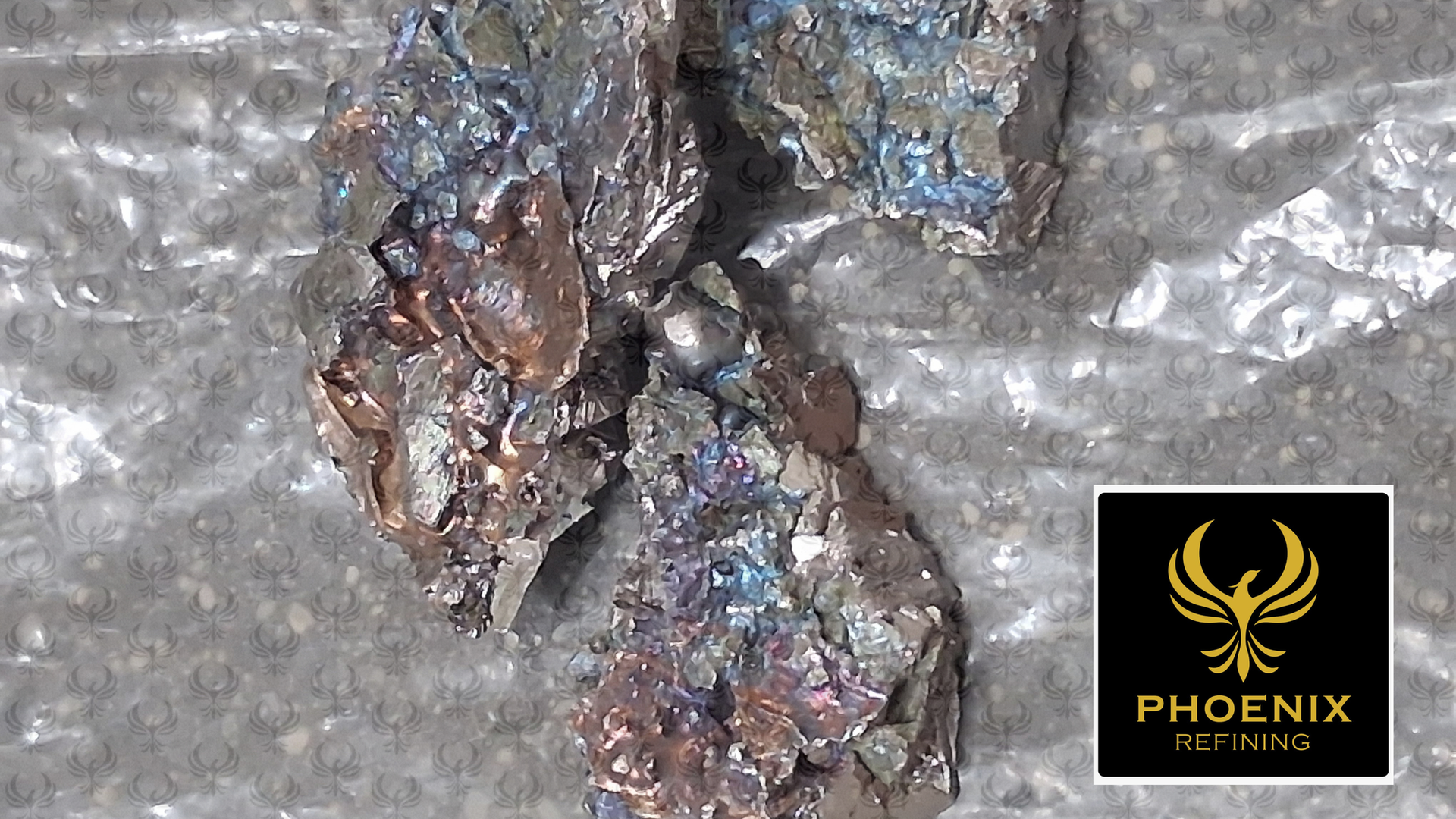
Industrial liquidations often include materials that are mistakenly sold as ordinary non-ferrous scrap. One of the most overlooked examples is the mixed metal oxide, or MMO, titanium anode, also called a dimensionally stable anode or DSA. These components are used in chlor-alkali plants, metal-refining operations, PCB plating facilities, water-treatment systems, and electrochlorination equipment. To a standard scrap buyer, they may look like dirty titanium mesh, black-coated plates, or worn electrolysis-cell internals. In reality, the dark coating can contain recoverable platinum-group metals, including ruthenium and iridium. Because these metals are costly and hard to source, MMO anodes shouldn't be treated like ordinary titanium scrap.
MMO anodes are most often found in industrial electrochemical operations. Chlor-alkali plants are a major source because they use large electrolyzer stacks to produce chlorine and caustic soda from brine. These stacks contain multiple cells and substantial areas of coated titanium mesh or plate. Other common sources include copper electrowinning operations, copper foil manufacturing, zinc and nickel refineries, printed circuit board fabrication plants, municipal water-treatment systems, wastewater-treatment equipment, marine systems, and on-site hypochlorite generation skids. If an auction lot includes DC rectifiers, large copper busbars, membrane cells, brine treatment equipment, acid-copper plating tanks, electrolyzer frames, or titanium heat exchangers, look for MMO-coated titanium components.
MMO anodes are typically manufactured from commercially pure titanium. They may appear as expanded diamond-pattern mesh, perforated plates, slotted sheets, tubular electrodes, modular plating cassettes, or panels mounted on titanium hanger bars. The most visible identifying feature is the surface coating. Bare titanium is generally silver-gray and metallic. MMO-coated titanium often appears dark charcoal, matte black, blue-gray, or slightly iridescent. The coating can be uneven due to process deposits, scale, or years of service.
In chlor-alkali and electrochlorination applications, coatings commonly contain ruthenium oxide, titanium oxide, and iridium oxide. In copper electrowinning, acid plating, and copper foil production, anodes are often coated with iridium oxide and tantalum oxide. Some specialty plating systems may use platinum or platinum-iridium coatings on titanium. If a lot contains dark-coated titanium in an electrochemical setting, it should be isolated from standard scrap until it can be evaluated.
A common misconception is that anodes removed from service have no precious metals left. Often, that is not true. Industrial anodes are often retired because their electrical performance declines, not because the catalytic coating has been fully consumed. During operation, oxygen can migrate through small cracks and pores in the coating and react with the titanium beneath it. This creates a titanium dioxide layer that restricts electrical flow between the titanium substrate and the catalyst surface. As resistance rises, the electrolyzer requires more power to operate. Since power consumption is a major cost for chemical plants and metal refineries, operators may replace anodes even when a substantial portion of the original ruthenium or iridium coating remains on the titanium.
Specialized refining can still recover that remaining coating. For this reason, retired anodes may contain high-value materials and should be evaluated by a qualified precious-metals recycler rather than sold immediately as titanium scrap.
Most general scrap yards price coated titanium as titanium scrap based on its weight. Dark mesh, thin plates, and coated electrodes may be discounted further because remelters view the coating as contamination. That approach ignores the metals in the catalytic surface layer.
Phoenix Refining evaluates MMO anodes as potential precious-metal-bearing materials, not simply as titanium weight. The review considers the equipment type, original application, coating chemistry, active surface area, service history, and representative analytical results. This helps identify whether a lot contains recoverable ruthenium, iridium, platinum, or other valuable materials. For auctioneers, plant owners, and demolition contractors, a specialist assessment can help prevent high-value electrochemical components from blending into a low-value mixed-scrap shipment.
Handheld XRF analyzers can help screen black-coated titanium and identify possible ruthenium, iridium, platinum, tantalum, titanium, copper, or nickel. However, XRF alone should not determine whether a lot has recovery value. MMO coatings are thin oxide films, not solid bulk alloys. Surface residues from brine, acid, copper plating, calcium scale, salts, or process deposits can interfere with the reading. A handheld unit may confirm the presence of a precious metal while still underestimating the total content across a large area of mesh or plate. Phoenix Refining can help determine the appropriate sampling and assay approach for spent anodes. Representative sampling and laboratory analysis provide a more reliable basis for recovery evaluation than surface readings alone.
If your facility, auction site, demolition project, or liquidation inventory includes black-coated titanium mesh, electrolyzer internals, plating cassettes, electrowinning panels, or titanium anode assemblies, do not automatically sell the material as ordinary titanium scrap. Phoenix Refining works with auctioneers, liquidators, plant managers, industrial contractors, and scrap suppliers to identify and purchase MMO anodes and other precious-metal-bearing industrial materials. We can review photographs, equipment nameplates, process information, panel dimensions, and available samples to help determine the proper recycling path. Before listing or shipping a questionable titanium lot, contact Phoenix Refining for a technical review. A quick assessment may reveal that the material contains recoverable metals that cost a lot and that deserve more than a standard scrap price.