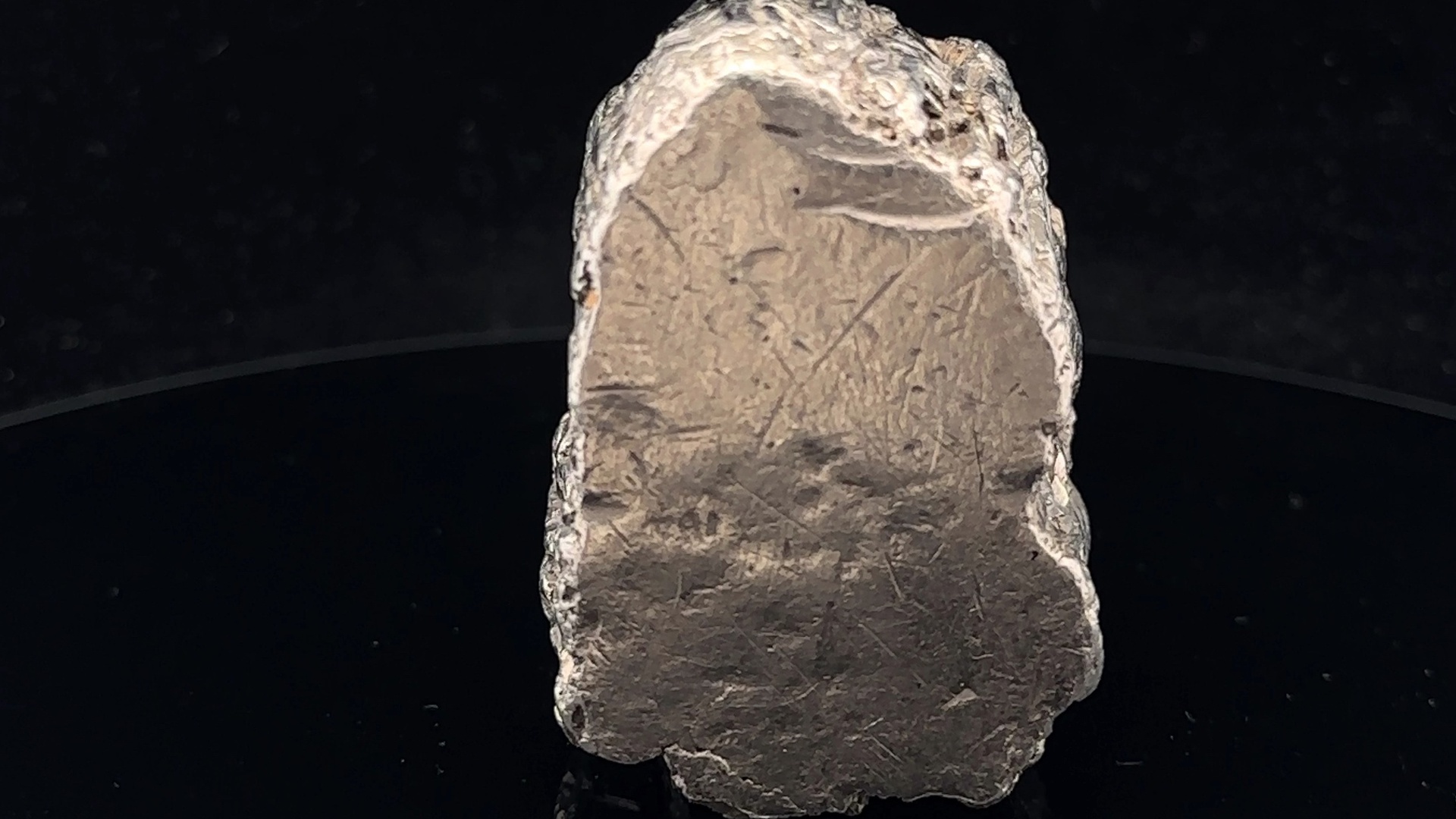
Electrolytic copper foil production, PCB plating, and non-ferrous metal electrowinning depend on anodes that can perform reliably in acidic, high-current-density environments. In these applications, dimensionally stable iridium-tantalum-coated titanium anodes have become a preferred technology because they offer high oxygen-evolution activity, long service life, and corrosion resistance. Yet operators often treat these anodes as low-value scrap when they remove them from service. This can be a costly mistake. Spent Ir-Ta anodes frequently retain valuable iridium-bearing material and, in many cases, reusable titanium substrates. Before shipping them for recycling, refining, or recoating, operators should understand their degradation mechanisms, residual value, handling requirements, shipping obligations, and settlement procedures.
Copper foil lines, PCB plating systems, and electrowinning cells operate under harsh electrochemical conditions. Current density can approach 10,000 A/m² in demanding applications, while the electrolyte may contain highly acidic sulfate solutions and dissolved metals. Under these conditions, conventional lead-based anodes can corrode, form sludge, contaminate the process, and create maintenance issues.
Iridium-tantalum-coated titanium anodes overcome these limitations. The titanium substrate, usually commercially pure ASTM B265 Grade 1 or Grade 2 titanium, provides structural strength and corrosion resistance. A mixed-metal oxide coating is applied over this titanium base. The coating typically contains iridium oxide, the main oxygen-evolution catalyst, and tantalum pentoxide, which improves coating stability and helps protect the titanium from electrolyte attack.
The central anodic reaction is oxygen evolution, in which water is converted into oxygen gas, hydrogen ions, and electrons. Iridium oxide reduces the overpotential needed for this reaction, lowering the energy required to operate the cell. In high-volume copper foil or plating operations, a lower operating voltage can produce meaningful energy savings over the life of the equipment.
Ir-Ta anodes eventually lose performance, but the iridium coating rarely fails. Instead, performance declines gradually as the mixed-metal oxide layer is consumed and defects develop in the coating structure.
Over years of operation, iridium oxide can slowly dissolve or become depleted at the surface. Small cracks, pores, and coating defects may allow acidic electrolyte to reach the titanium substrate. When this happens, titanium dioxide can form at the interface between the coating and the titanium base. Titanium dioxide is electrically insulating, so its growth increases electrical resistance and reduces anode effectiveness.
Operators often remove anodes when cell voltage rises by approximately 10% to 15%, since continued use increases energy costs and may compromise production performance. However, an electrical end-of-life condition does not mean that the anode has no remaining precious-metal value. Many spent anodes may still retain an estimated 30% to 50% of their original iridium loading. The remaining iridium can make the anode significantly more valuable than ordinary titanium scrap.
Ir-Ta anodes contain titanium, tantalum, and iridium, but iridium typically determines their recovery value. Titanium is widely used and has a relatively modest scrap value. Tantalum is valuable and strategically important, but it generally contributes less to the coating's overall value than iridium. Iridium, a platinum-group metal, is the primary source of economic value in spent anode material.
Iridium is extremely rare and is not generally mined as a primary metal. Instead, it is produced as a byproduct of platinum-group-metal and nickel mining. A limited number of mining regions, including South Africa and Russia, concentrate much of the world's supply. Because iridium output is tied to other metal production, supply cannot expand quickly in response to higher demand.
Demand has also increased because iridium is used in proton exchange membrane electrolyzers for green hydrogen production. These systems require iridium-containing oxygen-evolution catalysts, adding pressure to an already constrained market. As a result, spent Ir-Ta anodes from copper foil, PCB plating, and electrowinning facilities represent a potentially important secondary source of critical iridium.
When plant personnel remove an anode from service, they may consider wire brushing, abrasive blasting, grinding, sanding, or polishing the surface. Generally, avoid these practices unless a qualified anode refurbisher or precious-metal refiner specifically directs them.
Mechanical cleaning does not distinguish between valuable iridium-bearing oxide coating and the titanium substrate. Abrasion can remove coating material, damage the titanium mesh or plate, and alter the anode's geometry. In expanded-metal structures, grinding or blasting can reduce dimensional stability and create defects that make future recoating more difficult.
Abrasive methods can also generate fine iridium-containing dust. This dust may be lost to ventilation systems, floor debris, filters, or general waste streams, which reduces the recoverable precious metal. Because the iridium-bearing coating is thin but valuable, even small losses can affect financial returns.
Qualified refiners and anode refurbishment providers typically use specialized chemical or thermal processes to separate the coating from the titanium substrate. These methods may involve alkali fusion, oxidative treatment, or other controlled processes designed to recover iridium-bearing material while preserving the titanium body where possible. If the titanium substrate remains structurally sound, it may be suitable for stripping, repair, and recoating several times during its usable life.
Proper preparation before shipment helps preserve material value, reduce transportation risks, and improve the accuracy of refinery settlement. First, identify the anode source and maintain records of its service history. Operators should document how the anodes were used, the electrolyte chemistry, operating time, reason for removal, original supplier or specification (if available), and any visible mechanical damage.
Keep anodes from copper electrowinning, copper foil manufacturing, PCB plating, and specialty plating operations separate when possible. Different process baths can leave different contaminants, and mixing materials from unrelated applications can complicate refining, classification, and assay. Segregation also establishes a clearer chain of custody and provides better information if a refinery result needs review.
Drain, rinse, and dry the anodes per the facility's environmental, safety, and wastewater procedures. The objective is to remove free electrolyte and reduce hazardous residues without physically stripping the coating. Control and document rinsing, especially where acid, dissolved copper, nickel, cobalt, chromium, chlorides, fluorides, or other regulated substances may be present.
Retain and evaluate any loose coating flakes, residues, or dust collected during handling with the anode lot. These materials may contain iridium and should not automatically be sent to general waste. Once prepared, package the anodes to prevent rubbing, bending, impact damage, and coating loss during transport.
Spent anodes may contain residual electrolyte, dissolved metals, or other hazardous contaminants. Their transportation classification depends on the residue present, the material's condition, the mode of transport, and the regulations in the shipping and receiving jurisdictions.
Anodes that retain corrosive acidic residues may require hazardous-material classification, potentially under corrosive or environmentally hazardous categories. In some situations, classifications such as Class 8 corrosive material or UN3077 environmentally hazardous substance may be relevant. However, operators should not assume that all spent anodes are classified in the same way. Operators must base the appropriate classification on the shipment's specific condition and confirm it through environmental, safety, regulatory, and carrier review.
Proper draining, rinsing, and drying can reduce transport risks and may simplify shipping, but they do not eliminate the need for correct documentation. Before shipping, operators should confirm packaging requirements, labeling, shipping papers, insurance value, export or import rules, and any recycler-specific acceptance requirements. International shipments may also require careful classification as recyclable material, metal-bearing scrap, spent catalyst material, reusable anode substrate, or hazardous waste.
Visual inspection is not a reliable way to determine a spent anode's iridium content. Coating thickness can vary, surface oxidation can hide residual material, and the remaining iridium may be unevenly distributed across the anode. An anode that appears heavily depleted may still contain significant recoverable precious metal.
X-ray fluorescence can help with preliminary screening, particularly to verify surface composition or compare anode areas. However, XRF is generally insufficient for final financial settlement because it is surface-sensitive and may not accurately reflect the total iridium content in an irregular or partially depleted coating.
For final payment, refiners generally use representative sampling followed by laboratory analysis. Inductively coupled plasma optical emission spectroscopy commonly quantifies iridium and other elements after processing the material into solution. Because iridium oxides resist standard acid digestion, the coating-bearing material often requires specialized preparation, such as alkali fusion, high-temperature oxidation, chlorination-based treatment, or another proprietary dissolution process.
The refining agreement should clearly define how material will be sampled, prepared, and analyzed; which metals are payable; and how charges will be deducted. The agreement should also specify treatment charges, refining charges, minimum payable metal content, payment timing, price quotation terms, and procedures for resolving assay differences.
Many refining contracts use a splitting limit. This is an agreed tolerance between the refinery assay and the seller's independent assay. If the results are within the stated tolerance, settlement may be based on the average of the two assays. Should the difference exceed the limit, the refinery may send a sealed reserve sample to an independent umpire laboratory. The umpire assay then becomes the final basis for settlement.
Before committing spent anodes to precious-metal recovery, operators should determine whether they can refurbish and recoat the titanium substrate. Titanium mesh, plate, rod, and custom anode structures may retain considerable value if they remain mechanically sound and free from severe corrosion or distortion.
A qualified anode manufacturer, recoater, or refiner can inspect the substrate for flatness, thickness loss, mesh integrity, weld condition, connection damage, and corrosion. If the titanium body is suitable, controlled processes can strip the remaining coating and apply a new Ir-Ta coating. Depending on anode design and operating history, titanium substrates may be refurbished multiple times.
Recoating can reduce replacement anode costs, preserve custom dimensions, shorten procurement lead times, and reduce the amount of new titanium required. If the titanium body is too damaged for reuse, the anode can still be processed to recover iridium, tantalum-bearing material, and titanium scrap value.
Manage spent Ir-Ta-coated titanium anodes as high-value electrochemical assets rather than ordinary scrap. Their role in copper foil production, PCB plating, and electrowinning may end when cell voltage rises or catalytic performance declines, but the substrate can still contain significant iridium-bearing material.
The best recovery outcome begins before the anodes leave the facility. Operators should avoid abrasive cleaning, preserve coating residues, segregate material by source, document process history, rinse and package anodes correctly, and confirm shipping requirements before dispatch. They should also work with a qualified refiner or recoating provider that can perform representative sampling, accurate assay, and transparent financial settlement.
By combining proper handling with a clear understanding of assay and refining procedures, manufacturers can recover more value from spent anodes, reduce replacement costs, and contribute to a more secure secondary supply of iridium and other critical materials.