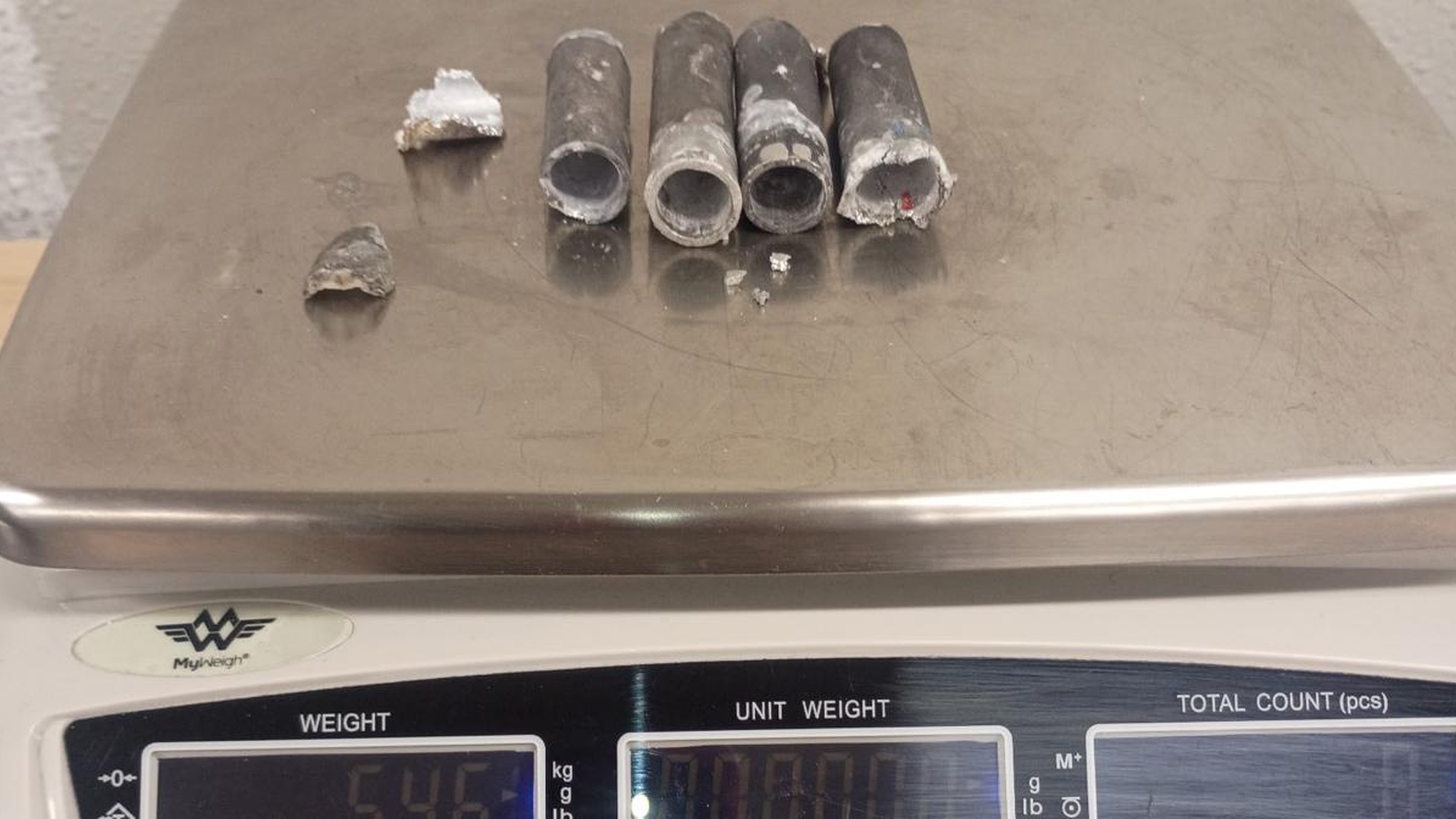
Iridium is one of the rarest and most corrosion-resistant platinum group metals on Earth. In the specialized worlds of pharmaceutical manufacturing and fine chemical synthesis, iridium is highly prized for its exceptional catalytic properties, particularly in complex hydrogenation reactions. However, iridium's extreme scarcity and high market volatility make efficient recovery of spent catalysts not just a sustainability goal but a critical economic necessity. Understanding the lifecycle of these catalysts, from their active state in the reactor to their physical form as a spent stream and finally to their valuation by a precious metals refiner, is essential for plant managers and process chemists aiming to optimize their recovery yields.
In specialty chemical and pharmaceutical applications, iridium catalysts are generally deployed in two forms: homogeneous and heterogeneous (supported) catalysts. Homogeneous catalysts operate in the same phase as the reactants, which is typically liquid. Iridium excels in this space, most notably in asymmetric, or chiral, hydrogenation, which is crucial for synthesizing specific enantiomers of active pharmaceutical ingredients. Classic examples include Crabtree's catalyst or various iridium-phosphinooxazoline complexes, which are highly active and incredibly selective. Because they are dissolved directly in the reaction solvent, they interact intimately with the substrate. However, their solubility also makes them notoriously difficult to separate from the final product once the reaction is complete.
Conversely, supported catalysts consist of iridium nanoparticles dispersed onto a solid matrix, most commonly activated carbon, alumina, or silica. These are favored when ease of separation is the priority. In fine chemical synthesis, supported iridium is often used for the selective hydrogenation of specific functional groups, such as reducing nitro compounds to amines without touching halogen substituents. After the reaction is complete, these catalysts can be filtered out of the mixture.
When an iridium catalyst reaches the end of its functional life, whether due to agglomeration, poisoning by impurities, or ligand degradation, it becomes a spent stream; the physical characteristics of this stream dictate exactly how it must be handled and refined. Because homogeneous catalysts are dissolved, the spent stream rarely looks like traditional metal waste. Instead, it is usually a dark, viscous liquid, a distillation bottom, or a sticky tar-like residue. It contains degraded iridium complexes, stripped ligands, unreacted starting materials, heavy byproducts, and residual organic solvents. In pharmaceutical plants, operators often concentrate this stream by evaporation to reduce waste volume before shipping.
Spent heterogeneous catalysts typically present as a damp, black filter cake or slurry. Even though the support material is solid, the cake is almost always saturated with the reaction solvent and residual organics. It may also be masked or coated by polymerized byproducts, which often drives the catalyst's initial deactivation.
Handling spent iridium streams requires rigorous safety protocols, primarily due to the presence of organics and the inherent properties of the materials themselves. Both homogeneous residues and supported filter cakes contain volatile organic solvents, such as toluene, methanol, or tetrahydrofuran. To manage these materials safely, package these streams in DOT-approved, UN-rated drums to prevent vapor leakage and mitigate fire and explosion risks during transport.
Furthermore, iridium supported on activated carbon can be highly pyrophoric. As the solvent evaporates and the high-surface-area carbon is exposed to oxygen, it can spontaneously ignite. To prevent this dangerous scenario, spent supported catalysts are typically kept damp with water or safely sealed under an inert atmosphere, like nitrogen or argon, during storage and transit. Beyond flammability, spent streams in pharmaceutical applications often contain traces of highly potent active ingredients or toxic intermediates. Facilities must provide refiners with detailed Safety Data Sheets and explicitly declare any biohazards or chemical toxicity. Refiners rely heavily on this information to ensure their thermal destruction processes operate at temperatures high enough to safely and completely break down these complex organic molecules.
Because iridium is notoriously difficult to dissolve and refine compared to palladium or platinum, refiners require specialized, aggressive hydrometallurgical or pyrometallurgical techniques. When a specialty chemical plant asks a refiner for a quote, the terms center on several key operational factors, starting with treatment charges. The treatment charge is the cost to process the physical bulk of the waste. For homogeneous liquids and solvent-soaked filter cakes, the refiner must first thermally reduce the material via controlled incineration to burn off the organics and concentrate the metal in an ash. The quote will typically include a per-pound or per-kilogram treatment charge based on the incoming weight, with highly toxic, high-halogen, or difficult-to-burn streams naturally incurring higher treatment fees.
Accurate valuation then depends entirely on obtaining a representative sample. For liquids and tars, the refiner will carefully homogenize the batch before taking a sample. For filter cakes, the material is incinerated, ground, and blended into a uniform ash before sampling. Refiners use advanced techniques like inductively coupled plasma spectroscopy to determine the exact iridium content. The resulting quote will specify an assay fee and detail the splitting limits, which outline the acceptable variance if the plant uses a third-party umpire laboratory to verify the iridium content.
Because no refining process is entirely perfect, especially with a refractory metal like iridium, quotes outline an accountability or return percentage. This figure often ranges from 90 to 95 percent for complex iridium streams, meaning if the assay determines there are 100 troy ounces of iridium in the lot, the payout is based on 90 to 95 ounces. Finally, the refiner will offer settlement terms. Because chemical plants often need fresh catalysts for future production, they frequently choose a metal transfer or pool account option. The recovered iridium is credited to a metal account, which can then be transferred directly to a catalyst manufacturer to offset the cost of new batches. Alternatively, clients can always opt for a cash settlement based on the fluctuating daily market price of iridium.
Iridium's indispensable role in producing high-value fine chemicals and life-saving pharmaceuticals makes it a critical operational asset. Managing its end-of-life requires careful attention to the physical and chemical state of the spent stream, diligent safety practices for residual solvents, and a clear understanding of precious-metal refining mechanics. At Phoenix Refining, we specialize in safe, transparent, high-yield recovery of complex PGM streams; if your facility wants to maximize returns on spent iridium catalysts with an environmentally compliant partner, contact Phoenix Refining today for a customized evaluation and competitive quote.