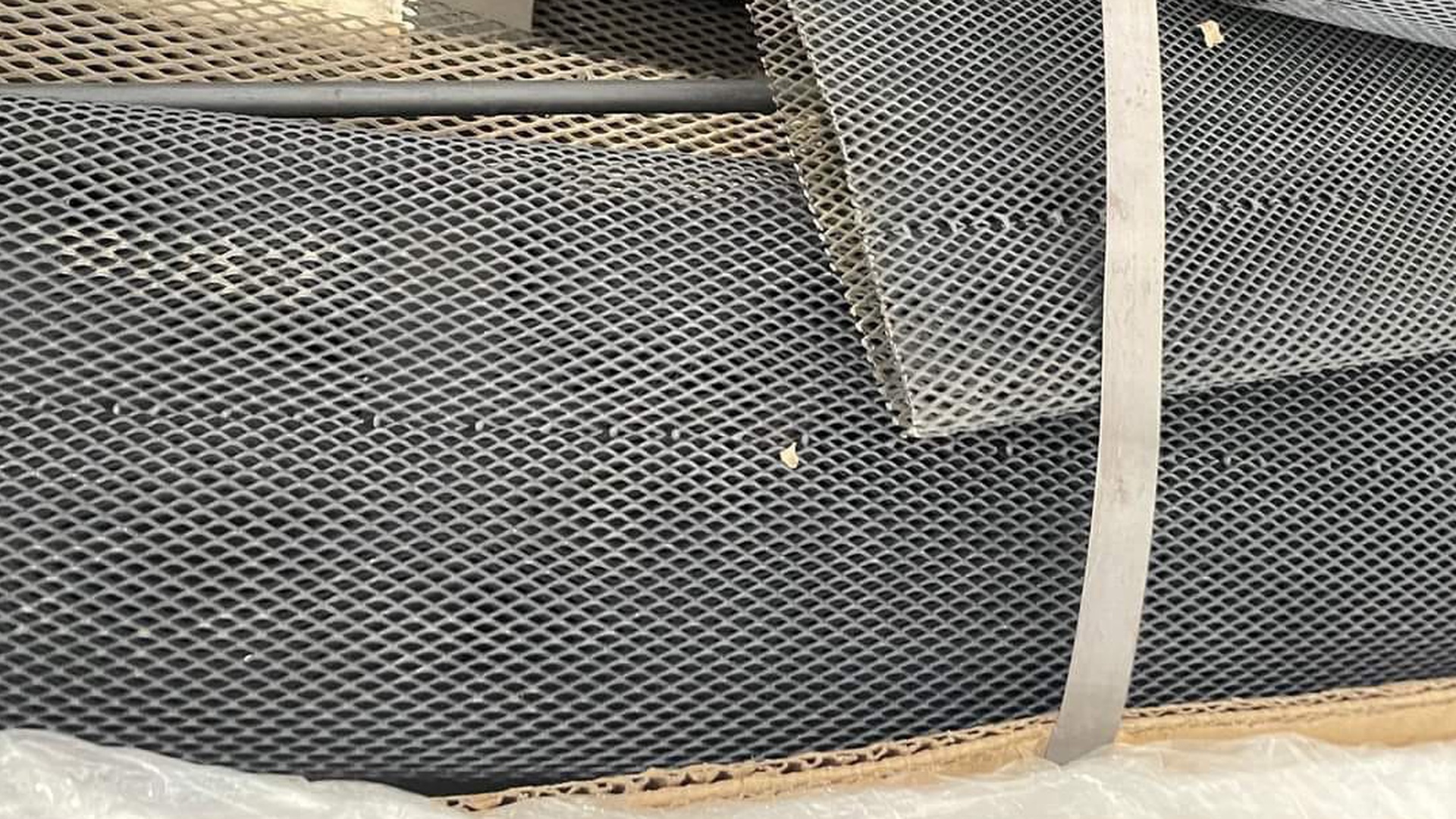
Iridium–tantalum-coated titanium electrodes are among the highest-value anodes used in industrial electrochemistry. They are widely used where oxygen must be evolved in highly acidic, corrosive conditions and where conventional anodes either consume too much energy, contaminate the product, create hazardous sludge, or lose their geometry too quickly. Their premium price reflects iridium's scarcity and the coating's unusual performance: it remains active and durable in environments that rapidly degrade lower-cost alternatives.
These electrodes are often described as dimensionally stable anodes because the titanium base does not dissolve significantly during normal operation. This stability is especially important in applications that depend on a fixed anode-cathode gap, consistent current distribution, and predictable electrolyte flow. Copper foil production, PCB plating, copper electrowinning, and proton-exchange-membrane water electrolysis all benefit from these characteristics, although each application requires its own operational controls.
An iridium–tantalum electrode starts with a commercially pure titanium substrate, typically ASTM Grade 1 or Grade 2. The titanium provides the structural strength, electrical conductivity, corrosion resistance, and fabrication flexibility needed for industrial electrode shapes. It can be made into flat plates, expanded mesh, porous structures, or curved segments designed to follow a rotating copper foil drum. The active coating is usually applied through a multi-stage thermal process. Workers brush or spray solutions containing iridium and tantalum precursors onto a prepared titanium surface. The electrode is repeatedly heated, typically through several coating and firing cycles, before undergoing a final high-temperature treatment. This process creates a thin mixed-metal-oxide layer that is strongly bonded to the titanium substrate.
The coating develops a distinctive cracked surface as it cools. This fine network of microscopic fissures increases the accessible surface area and lets the electrolyte contact more catalytic sites. This surface structure reduces resistance and supports efficient oxygen evolution. However, it also means that bath chemistry must be carefully controlled, since aggressive contaminants can travel through microscopic cracks and attack the titanium below the coating. Iridium dioxide performs the catalytic work. It is highly effective at accelerating the oxygen-evolution reaction, a naturally energy-intensive, slow process. Iridium can stabilize the intermediate surface species created as water is converted into oxygen, which lowers the additional voltage required to sustain the reaction. Tantalum pentoxide serves a different role. It is less active catalytically, but it improves coating structure and durability. Tantalum helps prevent iridium oxide particles from growing into larger, less active clusters during manufacturing and service. It also improves dissolution resistance and slows degradation during extended operation.
Iridium is one of the rarest industrial metals, and global supply is limited. Its cost can reach hundreds of thousands of dollars per kilogram during periods of market tightness. This alone makes iridium-containing electrodes expensive, but the primary reason industry accepts the premium is that few other materials survive and perform well under strongly acidic oxygen-evolution conditions.
Ruthenium-based coatings can be less costly and are highly effective where chlorine evolution is the intended reaction, such as in chlor-alkali production and some seawater applications. In acidic oxygen-evolution service, however, ruthenium oxide can dissolve rapidly at elevated potentials. Iridium oxide is more resilient, making it one of the few practical catalyst choices for harsh low-pH oxygen-evolution environments. The objective, therefore, is not simply to add more iridium but to use it more efficiently. Modern catalyst development focuses on keeping iridium particles small, dispersed, and stable through tantalum-containing structures and other advanced materials. Highly stabilized iridium–tantalum nanoparticle systems can produce more current per unit of iridium than conventional coatings, allowing reduced precious-metal loading without sharply reducing activity or service life.
In electrolytic copper foil production, manufacturers commonly fabricate iridium–tantalum-coated titanium anodes as curved segments placed close to a rotating cathode drum. Copper deposits onto the drum and is removed as a continuous foil. The gap between the anode and drum must remain highly consistent because even small changes can affect electrical resistance, electrolyte flow, copper thickness, and foil quality. The dimensional stability of the coated titanium anode is a major advantage. Unlike soluble copper anodes, it does not dissolve steadily or change shape. This keeps the narrow inter-electrode gap stable over long production campaigns. It also helps maintain consistent current distribution and the high-velocity electrolyte flow needed to produce uniform foil. The process is demanding because it can operate at extremely high current density. Oxygen gas is generated rapidly in the confined space between the anode and drum. If bubbles accumulate, they disrupt electrolyte circulation and create local current-density changes, potentially causing thickness variation or surface defects. The anode must therefore retain its designed curvature and active-area geometry, while the cell must be operated to ensure efficient bubble removal.
In PCB plating, iridium–tantalum coated titanium mesh or plate anodes can replace conventional soluble copper anodes. This change eliminates anode sludge and provides a more stable electrode geometry. A consistent anode shape helps maintain a uniform electric field, which is particularly valuable in high-density circuit-board manufacturing. The resulting current distribution can improve vertical throwing power and support copper deposition deep inside complex features, including microvias, blind vias, and through-silicon vias. These applications require controlled metal distribution to avoid voids, seams, and incomplete filling. The operational trade-off is that the catalytic anode can accelerate the breakdown of organic additives. Brighteners, levelers, and other plating chemicals may be oxidized more rapidly at the anode surface. The plating line must therefore use additive systems designed for insoluble-anode operation and maintain a disciplined analysis and replenishment program. Copper concentration must also be restored through controlled additions, rather than relying on copper anode dissolution.
Iridium–tantalum-coated titanium anodes are particularly valuable in oxygen-evolution cells, such as copper electrowinning operations. Conventional lead-based anodes are inexpensive, but they operate at relatively high voltage, can introduce lead contamination into the copper product, and create lead dioxide sludge that must be handled as hazardous waste. Replacing lead alloy anodes with coated titanium can lower operating cell voltage by approximately 350–450 millivolts. This reduction can produce significant electricity savings in a large tankhouse operating continuously. The anodes can also improve copper purity, reduce lead contamination to very low levels, and eliminate lead dioxide sludge generation.
Under controlled conditions, coated titanium anodes can remain in service for six to eight years or longer. However, their durability depends on strict electrolyte management. Chloride, fluoride, manganese, and other impurities must remain within narrow operating limits. Manganese is especially important because it can form insulating manganese dioxide deposits on the anode surface, increasing resistance and reducing performance. In proton-exchange-membrane water electrolysis, iridium–tantalum catalysts perform a similarly important function. The oxygen-evolving side of these electrolyzers operates in a highly acidic environment at high potential. Many lower-cost catalyst materials dissolve quickly or lose performance. Iridium remains one of the few materials that can offer both catalytic activity and meaningful durability. Tantalum-containing structures help reduce the amount of iridium required, supporting efforts to lower the cost of green hydrogen production.
Iridium-coated titanium electrodes should be managed as long-term circular assets, not disposable consumables. A well-maintained titanium substrate can often be recoated four to six times, allowing it to remain useful for decades. At the end of a coating's service life, chemical stripping is preferred over abrasive removal because it minimizes titanium loss and enables recovery of valuable iridium residues.
Following stripping, the titanium surface can be chemically restored to recreate the microscopic anchor profile needed for a new coating. Oxalic acid treatment at elevated temperature is one established approach for removing passive oxides and preparing the surface for recoating. The electrode can then receive a new iridium–tantalum coating and return to service, largely preserving its original shape and function.
The economic logic is clear: iridium-coated titanium electrodes cost more because they deliver more, but their value is realized only through careful operation and recovery. Strict bath control, fluoride management, appropriate plating chemistry, physical protection, and chemical refurbishment allow these electrodes to provide reliable performance across multiple decades of industrial use.