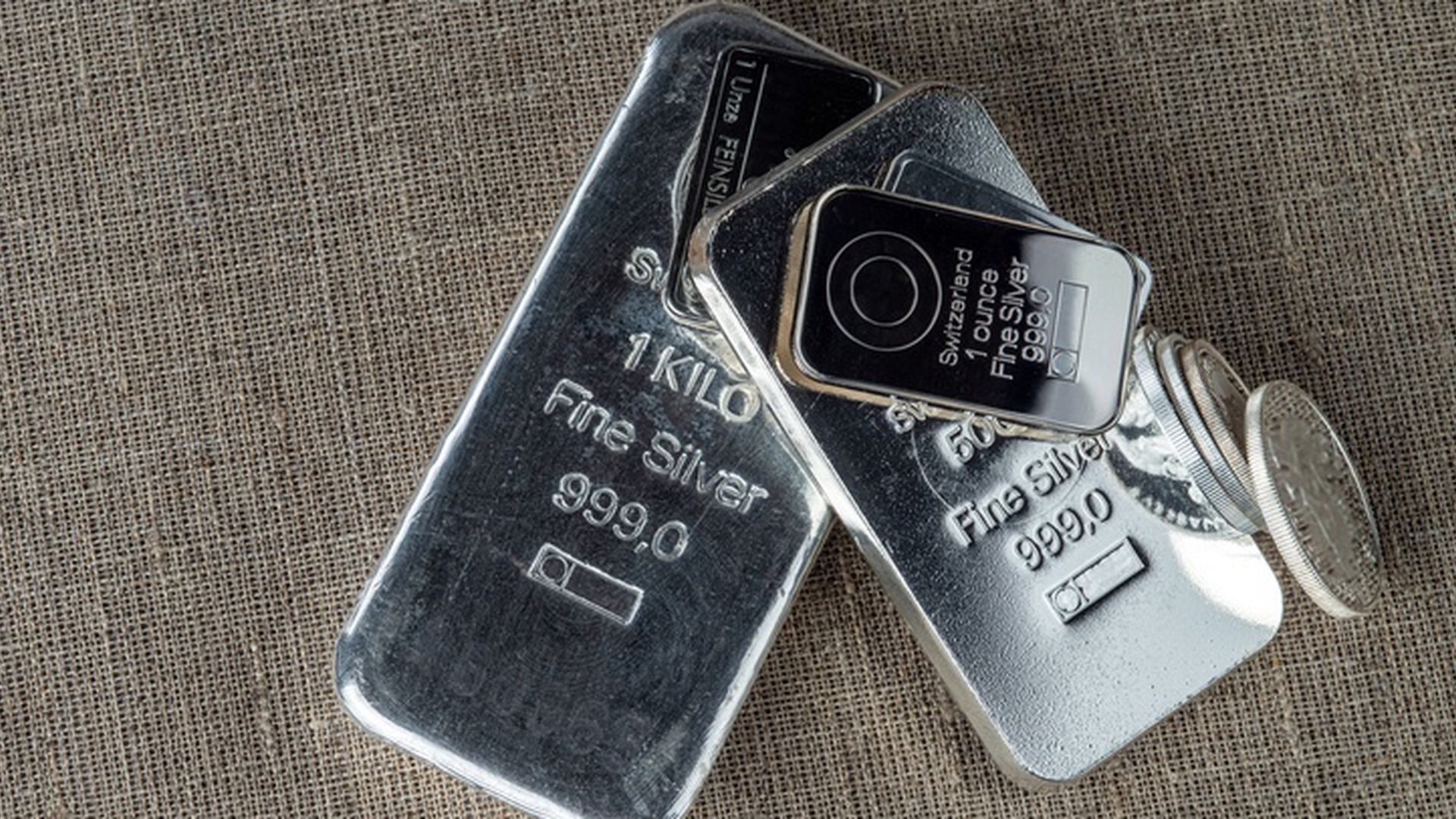
In the turbulent economic climate of late 2025, where silver has shattered psychological barriers, trading above $50 per ounce, the question “Is 925 sterling silver worth it?” demands a more sophisticated answer than simply glancing at spot prices. The valuation of sterling silver transcends basic arithmetic and enters the realm of metallurgical performance, macroeconomic relevance, historical context, and, critically, liquidation logistics.
This article explores the full spectrum of sterling silver's value. From the science of its alloy and its comparison to competing white metals to its dual identity as both a usable good and a tangible monetary asset, we provide a multidimensional framework to evaluate its true worth. With industrial demand skyrocketing, a refining bottleneck tightening supply flows, and historic highs in the spot market, 925 silver stands at a pivotal crossroads, either as an underutilized household asset or a strategic element in an inflation-hedging portfolio.
The 925 hallmark signifies an alloy composed of 92.5% pure silver and 7.5% other metals, usually copper. This mixture isn't arbitrary; it's a time-tested standard established to convert soft fine silver (99.9%), which is impractically malleable for use, into a strong, wearable alloy. This solid-solution strengthening dramatically improves hardness and utility, making sterling silver appropriate for jewelry, cutlery, and decorative items.
Tarnish, commonly seen as a nuisance, is actually a sign of authenticity. Caused by hydrogen sulfide in the air reacting with silver to form silver sulfide (Ag₂S), this is a chemical fingerprint of real silver, absent in non-precious imitations like nickel alloy or stainless steel. While newer alloys such as Argentium seek to combat tarnish using germanium, traditional 925 remains the standard due to its affordability and established market recognition. In contrast, silver-plate or nickel silver (which contains zero actual silver) has no value beyond its aesthetic novelty. They wear quickly, cause skin reactions, and hold essentially no resale or scrap value.
When comparing sterling silver to white gold, it’s essential to understand the fundamental differences between the two. White gold is essentially yellow gold that has been alloyed with metals such as nickel or palladium, and it typically undergoes a rhodium electroplating process to achieve its characteristic white appearance. However, this rhodium plating wears off within one to two years, meaning that owners must periodically replate their jewelry, which can be viewed as an invisible tax on ownership that sterling silver does not impose. Additionally, considering the market values in 2025, with gold trading around $4,100 per ounce and silver at $51, a piece made of white gold could end up costing approximately 70 times more than an equivalent volume of sterling silver, without offering significantly improved aesthetics or durability and with far less value efficiency.
In contrast, when looking at sterling silver versus stainless steel, the latter may excel in durability and cost-effectiveness, particularly in functional items like tools or gym wear. However, stainless steel lacks intrinsic value; for instance, a $50 stainless steel ring will always hold a resale value of $0. In comparison, a sterling silver ring retains a tangible floor value that is backed by global commodity pricing, even if it has been broken or tarnished.
Finally, when discussing aesthetics, silver stands out due to its exceptional reflectivity, which is the highest among all metals, giving it a unique luminosity. Neither white gold, which tends to have a warmer tone, nor platinum, which often appears grey, can replicate the soft, glowing brilliance that sterling silver provides. For consumers who appreciate light, warmth, and depth in their jewelry, sterling silver truly is unmatched.
Silver’s price action in 2025 is driven less by tradition and more by necessity. Silver is indispensable in high-growth industrial sectors (solar, photovoltaics, electric vehicles, and medical diagnostics), which together consume over 50% of the annual supply. This creates a structural deficit in the market, insulating silver from the speculative swings that affect gold.
The gold-silver ratio (GSR), sitting at 80:1, remains far above its mean historical value. If reversion occurs, silver’s price could effectively double without gold needing to rise, a compelling argument for silver’s undervaluation and speculative upside.
Sterling silver, being 92.5% pure, benefits from these tailwinds. It becomes not just a beautiful accessory but a silent insurance policy against inflation, de-dollarization, and financial dislocations.
To authenticate your silver and avoid any potential missteps, there are several important tests and indicators to consider. First, check for hallmarks; genuine silver often carries marks such as “925,” “Sterling,” or national purity symbols like the British Lion Passant, which can help confirm its authenticity. Additionally, you can perform a magnet test, as real silver is not magnetic, so if your item is drawn to a magnet, it may not be genuine.
Another effective method is the ice test. Silver has a high thermal conductivity, allowing it to melt ice rapidly. If you place ice on a piece of silver and notice that it melts quickly, it likely indicates that the item is authentic. Lastly, you can also use the smell test; genuine silver does not carry a strong odor. Be cautious, as base metals such as nickel and brass can emit metallic smells, signaling that the item may not be pure silver. By utilizing these techniques, you can feel more confident in verifying the authenticity of your silver items.
Sterling silver in 2025 is undoubtedly worth considering, largely due to its multifaceted appeal. For consumers, it continues to be a democratized luxury metal, easily surpassing white gold in luster while providing a more noble presence than stainless steel. Its durability and affordability further enhance its value, establishing it as wearable wealth that offers both beauty and practicality.
For investors, the landscape is equally promising. Scrap sterling silver has become a legitimate alternative asset class, particularly in a climate marked by $50+ spot prices and global uncertainty. This shift has propelled silver from being merely a curiosity to becoming a core asset for many middle-class households aiming to preserve their purchasing power in physical form. However, a critical caveat exists: profitability heavily relies on the chosen exit strategy. The perceived value of sterling silver remains just that, an illusion, until the moment it is sold. At that point, the true market value reveals itself, and selling at only 40% of the melt value can prove to be a costly mistake. Therefore, selecting the right buyer is essential.
That's where Phoenix Refining comes into play. As the refining bottleneck tightens, this company provides silver holders with a professional and transparent pathway to turn their assets into cash. Equipped with top-tier assay technology, they boast bulk-capable infrastructure and fair pricing policies, facilitating the conversion of ornamental holdings into real liquidity. This ensures that your silver doesn’t fall victim to what’s known as the “scrap gap.”
In conclusion, whether resting in a jewelry box or tucked away in a kitchen drawer, your sterling silver represents more than just a nostalgic item; it is a valuable resource. In the high-stakes economic environment of 2025, having a strategy for unlocking its value transforms what may be forgotten into significant net worth. So, rather than simply owning silver, it's important to understand it, utilize it, and, most crucially, know how to sell it effectively.