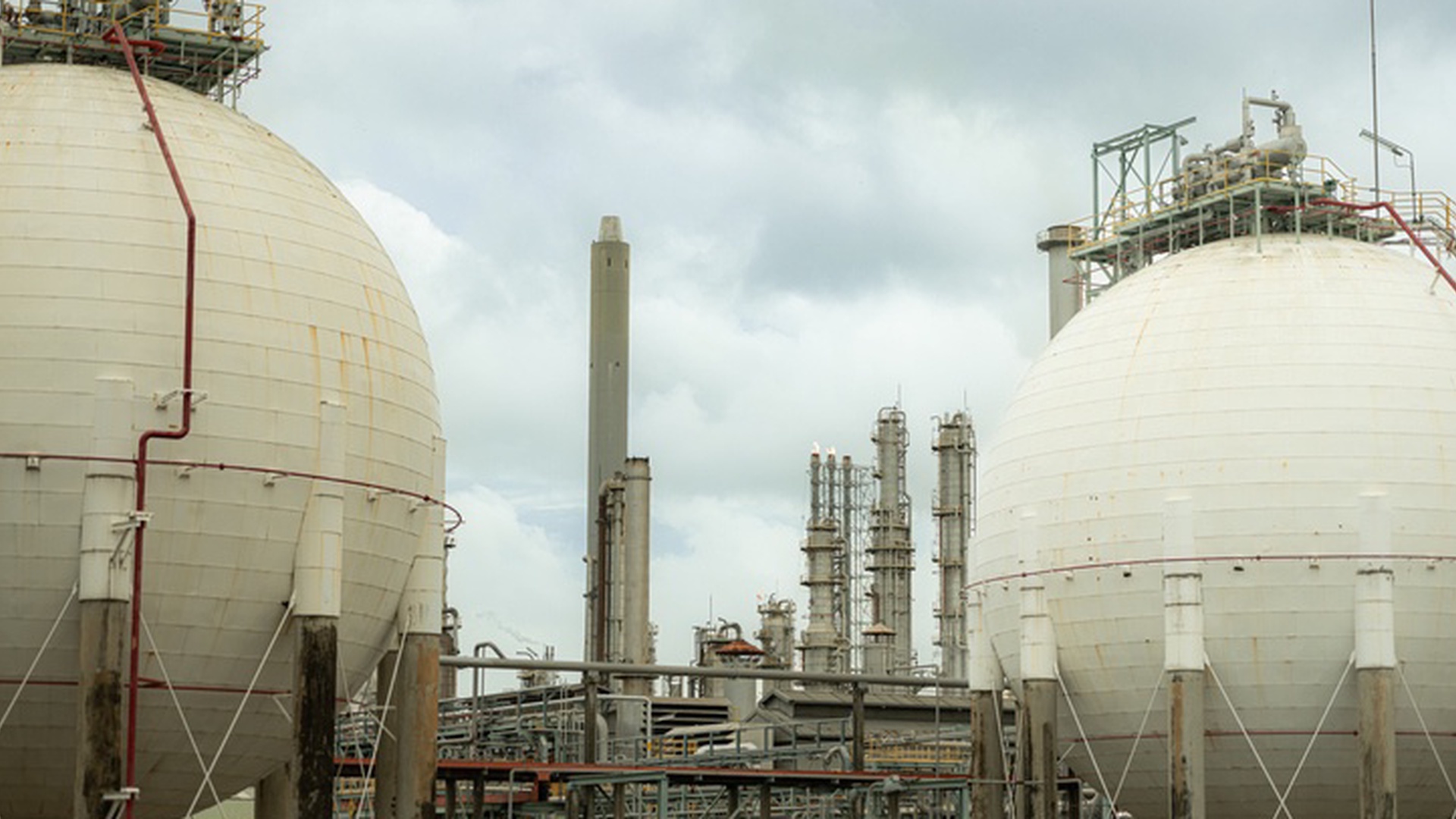
Announced on December 15, 2025, the project was hailed by U.S. Commerce Secretary Howard Lutnick as a “transformative critical minerals agreement” that aligns with President Donald Trump’s renewed push for economic nationalism and industrial autonomy. Slated to begin phased operations in 2029, the facility will initially produce 300,000 metric tons of zinc, 200,000 tons of lead, 35,000 tons of copper, and 5,100 tons of rare minerals annually. It is also expected to include the production of strategic materials such as gallium, germanium, indium, antimony, copper, silver, and gold, all key inputs for semiconductors, military equipment, AI technologies, and U.S. power grids.
"This is how we win,” Lutnick proclaimed on social media, describing the refinery as a critical infrastructure upgrade that will “produce on American soil,” reduce China's dependence, and create over 700 high-paying jobs. Tennessee Governor William Lee echoed this sentiment, stating the investment strengthens national security and the longstanding Korea-U.S. partnership.
Korea Zinc will co-develop the project through a joint venture in which the U.S. government and U.S.-based strategic investors will inject $1.94 billion, representing more than 26% of total capital for a substantial equity stake. The U.S. Department of War alone will hold roughly 40% of the venture, while Korea Zinc's ownership in the JV will remain below 10%.
To further support construction, Korea Zinc has secured approximately $4.7 billion in loans from U.S. financial institutions and up to $210 million in federal subsidies under the CHIPS and Science Act. Construction is set to begin in 2027 and finish in late 2029.
National security, economic resilience, and innovation are key pillars of the plan. Senators Bill Hagerty and Marsha Blackburn, along with Representative John Rose, all Tennessee Republicans, publicly praised the decision as reinforcing Trump-era priorities while reindustrializing the American South. The Clarksville area, already home to LG Electronics’ appliance plant, is poised to become an advanced manufacturing hub for critical minerals.
Despite its overwhelming endorsement from political quarters, the deal has been met with fierce resistance from within Korea Zinc itself. The company’s two largest shareholders, Young Poong Group and MBK Partners, have condemned the agreement, citing governance failures and the dilution of shareholder value. Together, the two entities control nearly 50% of Korea Zinc and have already initiated legal action aimed at blocking the share issuance needed for the U.S. partnership.
In a scathing joint statement, Young Poong officials said the board’s approval was executed without proper consultation or transparency. “This represents a severe breakdown in corporate governance and a serious procedural violation,” the statement read, warning that the exclusive third-party allotment of shares to a U.S.-backed entity risked undermining Korea Zinc’s long-term financial integrity.
Moreover, the group questioned the claim that the U.S. government is investing directly in the refinery, suggesting instead that the investment structure was designed to maximize voting power for the JV at Korea Zinc’s parent level rather than in the project itself.
Shareholders are also concerned about the industrial implications of recreating Korea Zinc’s proprietary smelting process abroad. They argue that the transfer of advanced metallurgical capabilities to the U.S. could weaken South Korea’s domestic industry and threaten the company’s global competitive edge at home.
For many, the Korea Zinc deal exemplifies a new era of industrial strategy amid increasing global rivalry over supply chain dominance. With China currently controlling the bulk of rare earth and critical mineral exports, democratic nations are taking urgent steps to reshore production and reduce reliance on Beijing.
Korea Zinc has framed the Tennessee project as a necessary response to "weaponized resource politics" and anticipates strong long-term demand for its blended mix of strategic, base, and precious metals. Following the announcement, Korea Zinc’s stock surged as much as 26% in early trading before settling up nearly 5%, a sign that investors recognize the project’s global significance, even amid legal threats.
However, with court injunctions pending and internal tensions running high, the company faces rocky terrain as it navigates between expanding global influence and answering to its domestic stakeholders. As world powers compete for control of tomorrow’s critical resources, Korea Zinc finds itself at the crossroads of industrial ambition and corporate upheaval, a symbol of both the promise and perils of globalization in a fractured geopolitical landscape.