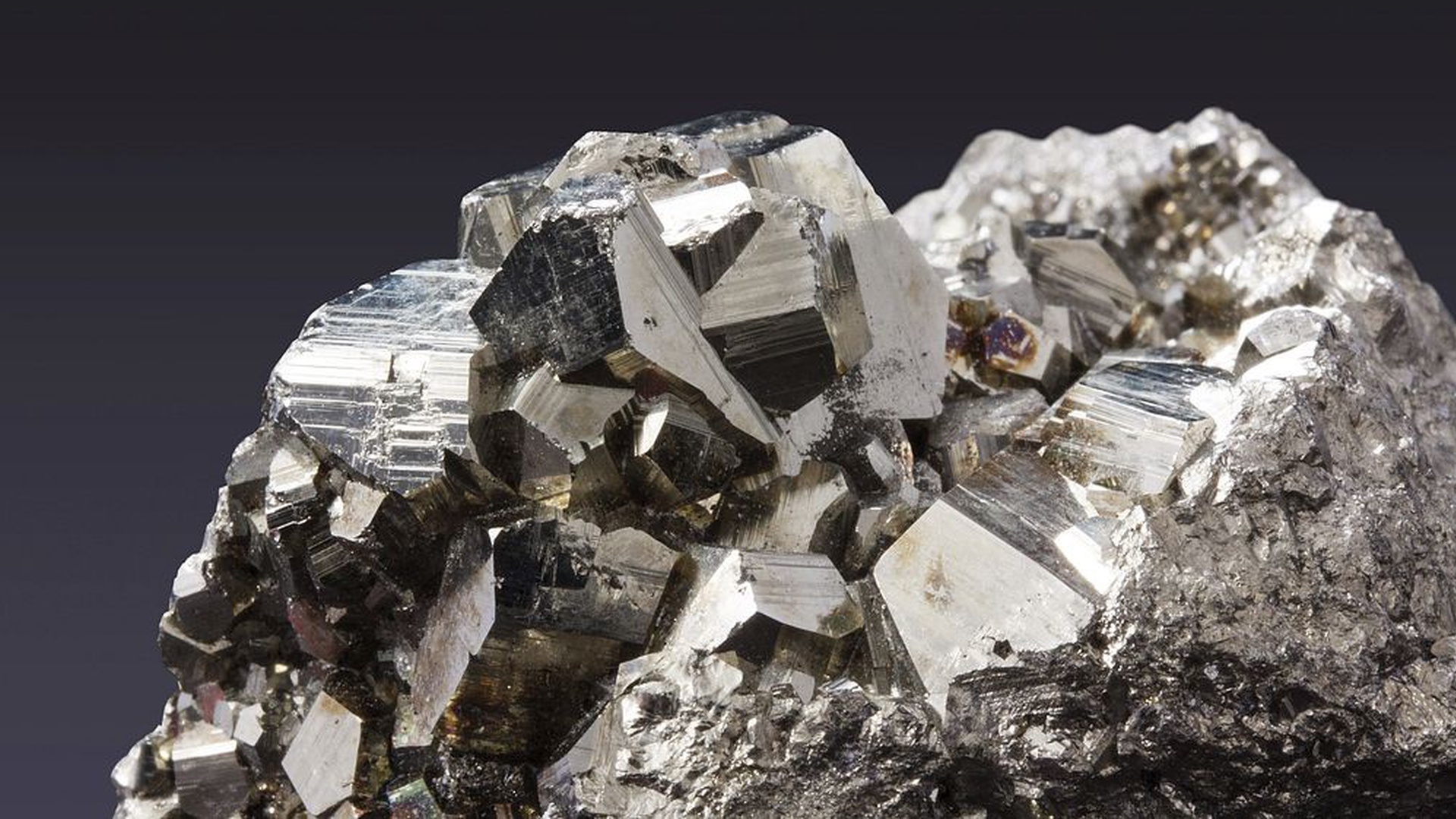
Osmium, the rarest precious metal on earth, is attracting growing attention in the luxury goods and alternative investment markets even as the broader platinum group metals (PGM) complex, which soared to record levels through 2025 and early 2026, enters a period of correction and reassessment. Long overshadowed by its better-known siblings platinum and palladium, osmium is carving out a distinctive niche, supported by exceptional rarity and increasing use in high-end jewelry. Industry sources indicate that crystalline osmium prices have risen by nearly 500% over the past eight years, reflecting a combination of severely limited supply and expanding demand from collectors and luxury brands.
The supply picture underpins the story. Global osmium output remains extremely limited, as the metal is recovered only as a by-product of mining for platinum group metals, and there are no dedicated osmium mines. Industry estimates suggest that approximately 22 tonnes of recoverable osmium remain available worldwide, underscoring its scarcity and contributing to a relatively small global market. Compounding the tightness, long-term investors currently hold most refined crystalline osmium, sharply limiting the volume available for trade at any given time.
Beyond rarity, crystalline osmium is gaining recognition for its unique physical properties. It is the densest naturally occurring element and, in its crystalline form, displays a natural brilliance that has made it increasingly attractive to jewelers. Crucially for investors, the metal is supported by a traceable certification system; each crystalline piece can be identified and verified, making it appealing as both a luxury material and a tangible asset. As interest expands beyond its traditional European base into markets such as China and the United States, market participants will be watching supply availability, investor demand, and adoption by the luxury jewelry sector as the key drivers of future price trends.
Interestingly, osmium's trajectory stands apart from the rest of the PGM complex. While the crystalline, investment-grade segment has seen dramatic long-term appreciation, CPM Group, which has provided the most comprehensive PGM market coverage since 1981 through its annual Platinum Group Metals Yearbooks, notes that osmium prices remained unchanged even as other PGM prices rose sharply in 2025 and early 2026. This apparent contradiction reflects osmium's niche character and limited trading activity: disconnected from the industrial and speculative flows that drive platinum, palladium, and rhodium, the osmium market moves to its rhythm, shaped by collectors and long-term holders rather than fabricators and futures traders.
The contrast with the broader PGM market is instructive. Most platinum group metals rose sharply in 2025 and early 2026, with many reaching record levels, but platinum and palladium have since declined significantly, giving back part of their earlier gains as sentiment turns more cautious and participants reassess supply-and-demand fundamentals.
Many market participants and observers assumed the rally reflected strong demand for fabrication. According to CPM Group, this assumption was true for iridium and ruthenium. Still, in platinum, palladium, and rhodium, the price increases reflected various factors, some of which may have been driven by false optimism.
The automotive industry remains the dominant driver of PGM consumption. However, the continued shift towards electric vehicles is reshaping long-term demand for platinum and palladium, which are used primarily in catalytic converters for combustion engines. On the supply side, constrained mine output, responding to both prices and operational challenges, and fluctuating scrap availability continue to influence the market, providing underlying support for prices even amid the recent pullback.
Meanwhile, the minor PGMs are experiencing a surge in interest. Iridium and ruthenium are attracting newfound interest as demand grows from clean energy applications, electronics, and other high-tech industries. This genuine fabrication-driven story distinguishes them from the more speculative moves seen elsewhere in the complex.
CPM Group's 2026 Platinum Group Metals Market Briefing and Yearbook will address what really is happening across the platinum, palladium, rhodium, and minor PGM markets, offering unbiased, authoritative analysis of the factors that drove price movements in 2025 and into 2026; accurate assessments of the platinum and palladium market balances; trends in physical investment demand; and expectations for the remainder of 2026.
For the PGM complex as a whole, the months ahead are expected to remain sensitive to shifts in industrial demand, mine production, recycling activity, and investor sentiment. For osmium, the outlook is more singular: with just 22 tonnes of recoverable metal estimated to remain, a growing luxury following, and most existing supply locked away in long-term hands, the world's rarest precious metal may only just be beginning its journey from geological curiosity to coveted asset.