On December 16, 2025, platinum and palladium futures continued their strong upward momentum on China's GFEX. Platinum’s most-traded contract (PT2606) closed at ¥485.75 per gram, gaining 2.46% from the previous settlement, while palladium's PD2606 contract jumped 4.73% to ¥423.85 per gram.
Volume traded on this day reached unprecedented levels: PT2606 logged 92,961 lots traded, and PD2606 recorded 52,938 lots, both marking new all-time highs since their respective listings. Open interest also spiked, with PT2606 increasing by 3,528 lots to 21,372 and PD2606 rising by 1,441 lots to 7,003.
These figures underscore growing institutional and speculative interest in PGMs (Platinum Group Metals), particularly through new financial vehicles that emerged with China’s introduction of PGM futures on November 27.
International commodity markets mirrored this enthusiasm. During the December 16 overnight session, NYMEX platinum futures (January 2026 contract) increased 3.03% to $1,815.9 per ounce, while palladium (March 2026) surged 5.14% to $1,622 per ounce.
Momentum carried through into December 17, with platinum reaching $1,935 per ounce, its highest level since early 2008, and palladium climbing to $1,650, nearing its highest since February 2023.
Year-to-date, the market has seen spectacular gains across precious metals: gold soared 65.1%, silver 123.9%, platinum 110.1%, and palladium 79.9%, making 2025 one of the strongest years for metals in modern history.
Palladium prices have drawn particular strength from recent regulatory shifts in Europe. The European Commission has proposed a modification of its 2035 internal combustion engine (ICE) ban, now allowing some non-electric vehicles that meet reduced emission targets of 90% (instead of 100%) to remain on the market beyond 2035.
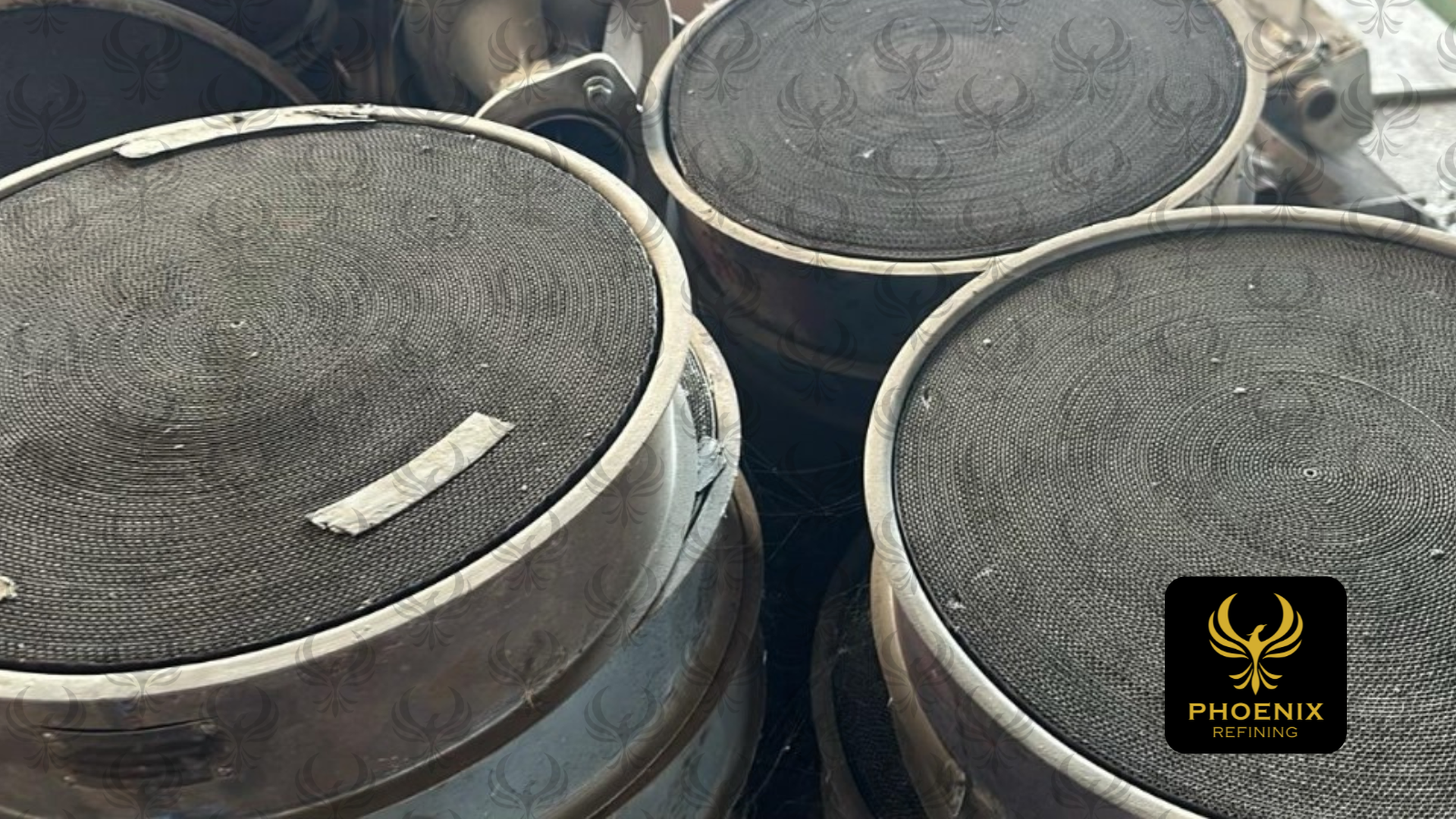
This policy reversal is a boon for palladium, which is vital in catalytic converters found in gasoline and hybrid vehicles. By extending the lifespan of ICE and hybrid vehicles, the policy potentially secures demand for palladium well into the 2030s.
The supply side presents another strong case for further price increases. Russian mining powerhouse Nornickel, responsible for the bulk of global palladium production, expects a 200,000-ounce deficit in 2025 when including investment demand. For 2026, the company projects a 100,000-ounce shortfall, excluding investments.
With ongoing geopolitical tensions, supply-chain disruptions, and sanctions affecting Russian exports, global palladium availability is tighter than ever. Platinum supply also appears constrained, with elevated lease rates indicating higher borrowing costs and limited liquidity, a sign of underlying scarcity.
China’s decision to launch platinum and palladium futures on GFEX is seen as a strategic move to not only grab a bigger share of global commodity pricing but also to secure critical resources for its green technology ambitions.
"China’s approval of platinum and palladium contracts supports its strategy to secure vital green technology supply chains and reduce risk as countries pursue climate-friendly development," commented analysts at Mitsubishi. They likened China’s PGM policy to that of the U.S., where PGMs have been designated essential minerals.
Since GFEX launched its contracts in late November, platinum prices in London have climbed 19.7% and palladium by 14.9% in just 15 trading days. Mitsubishi notes that the rally is backed by "high-conviction players" who are investing with long-term strategic intent rather than short-term speculative goals.
Despite the sharp gains, market analysts argue this is not merely a speculative bubble. “If this were just an investment- or speculation-driven rally, we might have expected a stampede for the exits,” said Mitsubishi. “But we don’t see that. This rally is supported by strong fundamentals.”
This sentiment is reflected by investor behavior on U.S. exchanges. As of the latest data from the Commodity Futures Trading Commission (CFTC), hedge funds have maintained net long positions in platinum since mid-May. Though they have remained net short palladium contracts since October 2022, the strengthening fundamentals could soon reverse that stance.
Meanwhile, spot market activity is robust as well. SMM’s spot platinum prices climbed ¥12 MoM to ¥464 per gram, and palladium surged ¥16 to ¥398 per gram. The Shanghai Gold Exchange recorded 22 lots of spot platinum traded at ¥471.50 per gram.
With physical supply tight, industrial and investment demand growing, and new trading infrastructure expanding access, analysts expect both platinum and palladium to maintain strong price trajectories going into 2026.
As Mitsubishi put it, “With inventories building at both US and Chinese exchanges, coupled with precautionary stock builds by some industrial companies, this suggests market liquidity will likely remain tight, keeping platinum lease rates elevated.”
While historical volatility remains a risk, the outlook for PGMs is bright as governments, automakers, and investors continue to recognize their strategic value in a decarbonizing world.
The rise in platinum and palladium is a confluence of macroeconomic, geopolitical, and regulatory shifts that together are creating ideal conditions for a sustained bull market. Whether used to power catalytic converters or fuel the transition to greener energy, PGMs are proving indispensable once again, and investors around the world are taking notice.