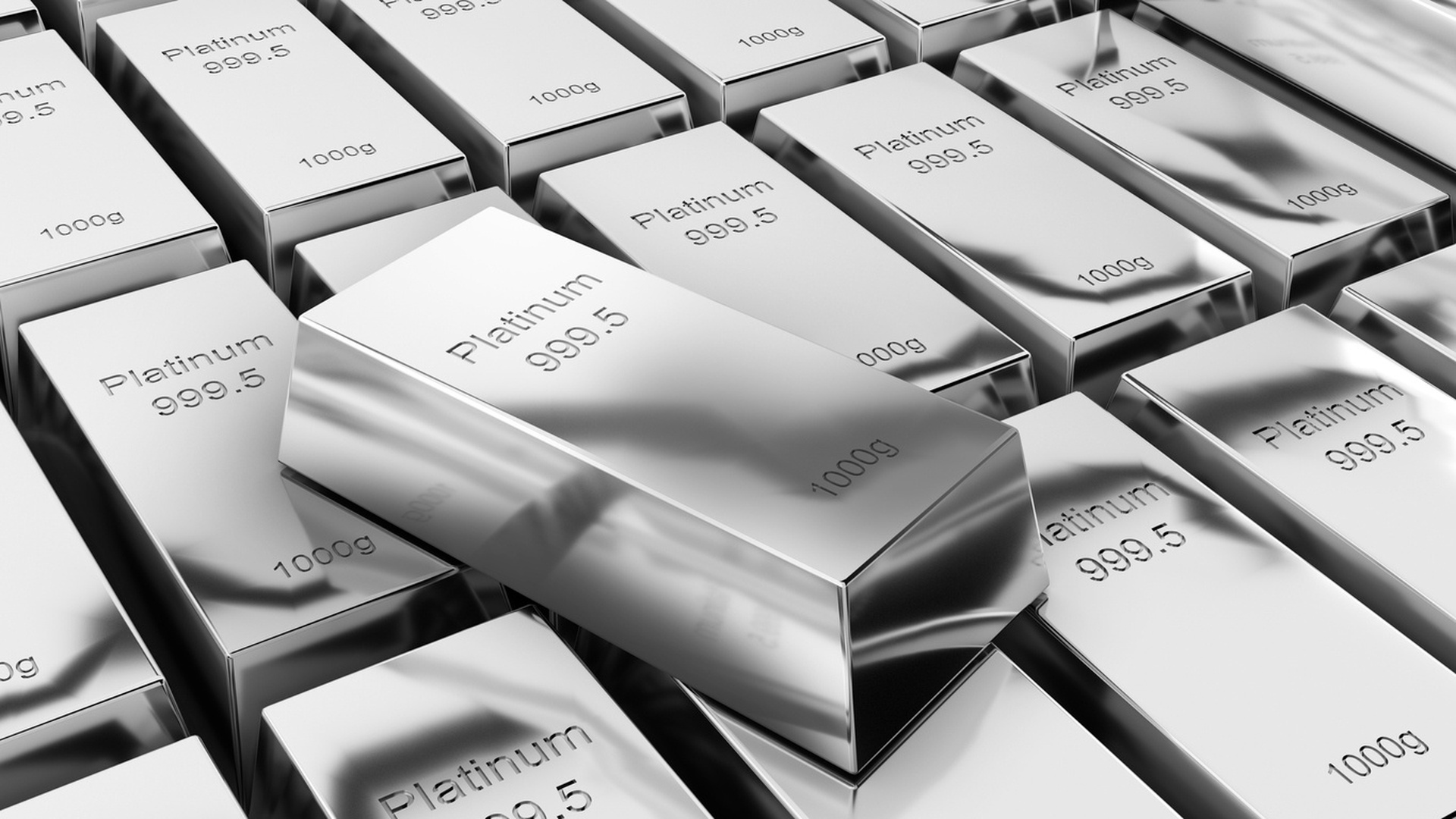
Platinum prices soared to a record high this week, riding a potent wave of supply shortages, booming industrial demand, and a major policy reversal by the European Union that is expected to extend the lifespan of vehicles powered by internal combustion engines (ICE). The combination of these factors has fueled a historic rally in platinum, positioning the metal as one of the standout performers among commodities in 2025.
On Friday, platinum reached a record high of $2,478.50 per ounce before settling at $2,441.20, marking an 8% gain for the week and a staggering year-to-date increase of over 150%, its strongest annual performance since at least 1987. Platinum futures prices were up 160% in 2025, outpacing both gold and silver. Industry analysts attribute the surge to a rare convergence of supply-side challenges and a sharp increase in long-term demand following recent changes to environmental policy in Europe.
A key catalyst behind platinum’s meteoric rise was the European Commission’s unexpected decision on December 16 to revise its 2035 ban on the sale of internal combustion engine vehicles. Rather than mandating a blanket prohibition, the EU now targets a 90% reduction in CO₂ emissions, while allowing the continued sale of plug-in hybrids and vehicles powered by CO₂-neutral synthetic fuels beyond 2035.
This policy change was heavily influenced by lobbying from Germany, Italy, and major automakers, who argued that the initial ban was overly restrictive and failed to account for technological advancements in cleaner fuel alternatives.
For platinum, which is used extensively in catalytic converters that reduce vehicle emissions, the move represents a significant boost. Approximately 30% to 40% of global platinum demand comes from the automotive sector. Extending the lifespan of ICE vehicles means continued and potentially increased use of platinum in global vehicle production through the next decade. “Relaxing the 2035 ban dramatically improves the demand outlook for platinum from the auto industry,” said commodities strategist Elena Novak at Global Minerals Watch. “Instead of a sharp decline in catalytic converter demand, manufacturers now expect sustained production and even growth in platinum-based systems.”
Bringing even more fuel to the rally is a worsening supply shortage. South Africa, responsible for roughly 80% of global platinum output, has struggled this year with aging infrastructure, frequent power shortages, and rising operational costs. These disruptions have contributed to significant production setbacks.
According to the World Platinum Investment Council, the platinum market is expected to end 2025 with a supply deficit of approximately 692,000 ounces, roughly 9% of global demand. Above-ground stockpiles have been drawn down to a mere 3.2 million ounces, covering less than five months of global consumption.
Platinum is 30 times rarer than gold and takes more time and more energy to mine. With inventories at multiyear lows and no quick fix for supply imbalances, prices are reacting accordingly,” noted Edward Hsu, head of metals research at NewPoint Analytics.
Adding further momentum to platinum’s rally is China’s growing demand, both from industrial users and retail investors. The launch of platinum futures contracts on the Guangzhou Futures Exchange (GFE) on November 27 has led to broader market participation and improved price transparency.
Chinese investors have responded swiftly. Analysts estimate that platinum bar and coin demand in China will rise to 418,000 ounces in 2025, a 47% year-over-year increase driven by sustained economic growth and increased interest in hard-asset investments.
While the platinum market may face short-term volatility due to profit-taking following its rapid ascent, most analysts agree that the long-term fundamentals remain firmly bullish. The twin forces of constrained supply and resurgent demand from both automotive and investment channels are likely to keep the market tight well into 2026. We expect platinum to maintain upward momentum into next year as carmakers adapt to the new EU regulation and supply deficits persist,” said Novak. “Unless there’s a sudden ramp-up in mine output, which is unlikely, this rally could have further to go.”
The platinum rally underscores how policy shifts, resource scarcity, and technological dependence can dramatically alter commodity markets. As the green energy transition unfolds and nations grapple with balancing emissions targets with industrial realities, platinum is proving to be both a critical material and a dynamic investment opportunity.