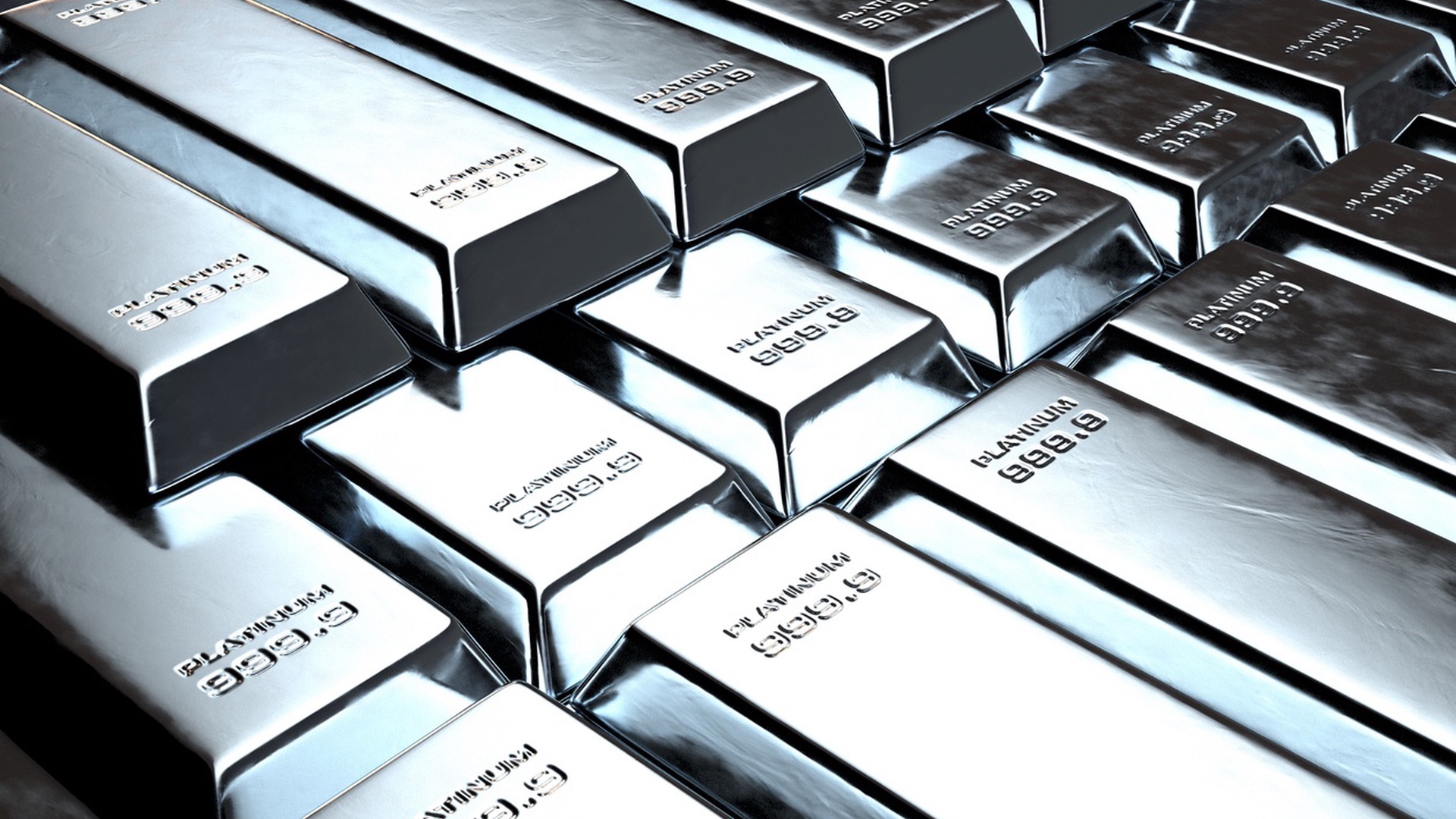
Platinum delivered a stunning performance in June 2025, surging over 27% to break above $1,400 per ounce, its highest level in 11 years and marking the largest monthly jump since August 1986. This rally dramatically outpaced its precious metal counterparts, with palladium rising 14.3% and gold seeing a slight 0.2% decline in the same period.
To fully appreciate the significance of platinum's recent rally, it is useful to consider its historical context. The last comparable monthly surge occurred in August 1986, a period that followed the "Shakeup of 1980." That earlier spike in precious metals prices, including platinum, was largely influenced by broader macroeconomic events such as the second Oil Shock, which saw oil prices become 2.5 times more expensive between April 1979 and April 1980. During that time, investors increasingly turned to gold, silver, platinum, and palladium as stores of value amidst economic uncertainty and rising inflation. This suggests a macro-driven, broad-based rally across the precious metals complex.
However, the current platinum rally appears to be built on a distinct foundation, moving beyond a simple flight to safety or a general commodity bounce. While the 1980s surge was a reaction to widespread economic instability, the present ascent in platinum is repeatedly linked to "structural deficits" and a "supply crisis" specific to this metal. The World Platinum Investment Council (WPIC) projects 2025 to be the third consecutive year with a market deficit, indicating a fundamental imbalance that is unique to platinum's supply-demand dynamics. This profound difference suggests that the current price strength is not merely a fleeting speculative surge but potentially the beginning of a multi-year re-rating. The underlying supply and demand for platinum have historically shown little short-term sensitivity to price movements, implying that even higher prices are unlikely to rapidly bring new supply online or significantly dampen demand in the immediate future. This inelasticity lends a more robust and sustainable character to the current rally compared to a purely speculative or general inflation-driven event.
Several fundamental factors have converged to ignite platinum's remarkable ascent. One of the most significant contributors is the persistent supply deficit that the World Platinum Investment Council (WPIC) forecasts, predicting a notable shortfall of 966,000 ounces for 2025. This marks the third consecutive year in which supply fails to meet demand, with above-ground stocks dwindling to a level projected to cover only three months of usage.
Compounding this issue are the mining challenges faced in South Africa, which is responsible for approximately 70% of the world's platinum. The country is currently grappling with chronic production issues, such as declining mine output and persistent power outages that lead to load-shedding, affecting up to 12% of production time. Additionally, aging infrastructure and various regulatory hurdles continue to restrict supply. In the first quarter of 2025, South Africa's mining GDP saw a 4.1% decline sequentially, with production of platinum group metals (PGMs) hit particularly hard due to heavy rainfall.
On the demand side, several sectors are pushing for increased platinum usage. In the automotive industry, demand for platinum as a catalyst in hybrid vehicles, as well as a substitute for palladium in gasoline engines, reached an eight-year high of 3.245 million ounces in 2025. Moreover, the rising interest in hydrogen fuel cells represents a long-term growth driver for platinum, as fuel-cell vehicles require significantly more platinum than traditional gasoline-powered vehicles. Demand from hydrogen applications is expected to grow at an impressive rate of 35% annually.
In the jewelry market, there has been a noticeable shift among Chinese consumers moving away from high-priced gold in favor of platinum, resulting in a 15% surge in fabrication within China and a 5% increase in global jewelry demand. While overall industrial demand is predicted to decline by 15% in 2025, largely due to a sharp 58% reduction in glass manufacturing, growth remains in other sectors such as petroleum, hydrogen, medical, and electrical.
Finally, robust investment activity has further fueled platinum's price rise. Speculative buying has accelerated, particularly from the U.S. and China. Platinum ETF holdings surged by 400,000 ounces in 2025, and the occurrence of market backwardation, where spot prices exceed future prices, coupled with rising lease rates, indicates a tightening physical market. This situation has instigated strong investor conviction as fears of tariffs, particularly from the U.S. targeting China, have led to increased stockpiling and a surge in metal inflows into U.S. warehouses.
The outlook for platinum presents a complex scenario, primarily influenced by ongoing supply constraints and shifting demand dynamics. The structural challenges facing South African mines are not expected to resolve swiftly, indicating that supply deficits may persist well into the foreseeable future, potentially extending through 2029.
In addition to these supply issues, there is also a trend of stockpiling among automakers and other industrial users, driven by tariff concerns. This has resulted in significant inventory drawdowns in warehouses, contributing to tighter physical market conditions.
Macroeconomic factors are further shaping the environment for platinum. The Federal Reserve's interest-rate policies, alongside recent inflation data such as the May Consumer Price Index (CPI) at 2.4% annually and the Personal Consumption Expenditures (PCE) at 2.3%, also play crucial roles. Additionally, the decline of the US dollar, which has dropped 8.10% year-to-date, will continue to influence market sentiment and investment flows in the precious metals sector.
From a technical perspective, platinum's Relative Strength Index (RSI) above 60 suggests a bullish trend; however, declining longer-term moving averages indicate potential resistance above the $1,450 mark. Analysts identify key support around $1,260, while resistance targets fall between $1,450 and $1,500.
Analyst forecasts for platinum are highly varied, reflecting the uncertainties within the market. Some analysts, such as those at JP Morgan, project prices around $1,200 per ounce, while others, like Citibank, anticipate a drop to approximately $900 per ounce. In contrast, Bank of America takes a more optimistic view, forecasting an average price of $3,063 by 2025. These divergent perspectives underscore the multiple potential trajectories for platinum, ranging from sideways consolidation to substantial appreciation based on the severity of supply disruptions and the pace of green energy adoption.
Investors, refiners, and recyclers should closely monitor several key factors that could impact the platinum market. First, keeping an eye on reports regarding South African mining output is essential, as any changes in production levels or power stability could significantly affect supply. Additionally, global economic indicators such as inflation rates and central bank policies will provide insights into the broader economic landscape and its influence on platinum demand.
Another important area to watch is the development of the hydrogen economy, particularly the adoption rate of fuel cell technologies, which could drive industrial demand for platinum. Finally, recycling rates also warrant attention; while they typically rise with increasing prices, they have remained low, presenting a concerning supply risk that could affect the market dynamics.
Companies like Phoenix Refining play a strategic role in this dynamic market. Specializing in the recovery and recycling of precious metals, including platinum, from sources like catalytic converters and industrial waste, they are vital in addressing supply gaps and promoting sustainable resource management. Their expertise in precious metal recovery will be increasingly valuable as the primary supply remains constrained and the focus shifts towards circular economy solutions. The current market conditions present unique opportunities for those positioned to navigate the intricacies of platinum's supply and demand.