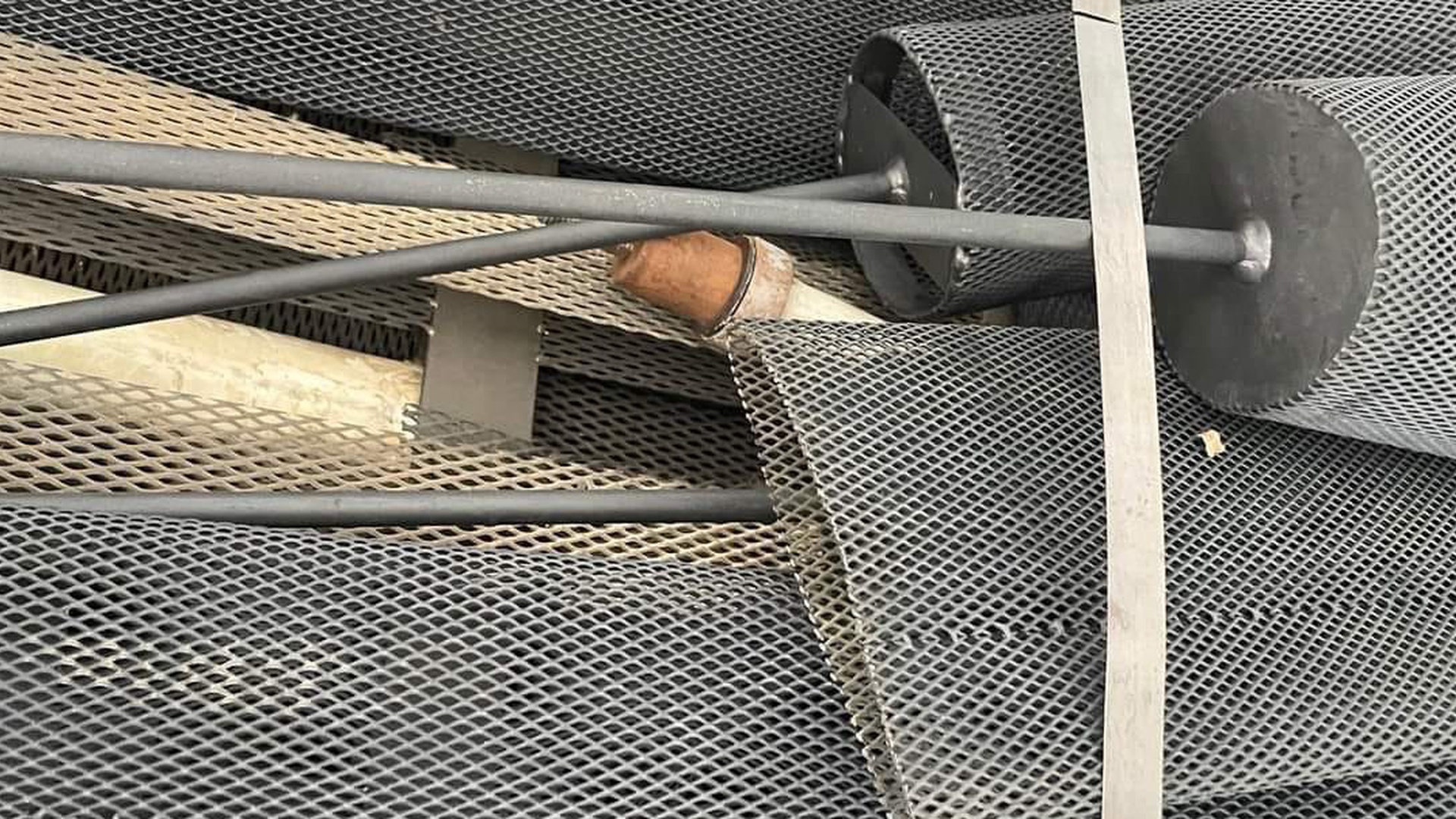
Spent titanium-ruthenium (Ti/Ru) screen banks should leave the plant as controlled precious-metal-bearing lots, not as miscellaneous titanium scrap. Although an anode has reached the end of its operating life, its mixed metal oxide (MMO) coating may still contain recoverable ruthenium and, depending on its formulation, iridium. Electrical failure does not establish that these metals are exhausted; representative analysis is needed to determine residual content.
Before shipment, the plant must preserve the coating, safely manage process residues, and provide a traceable, well-documented lot. Grinding, aggressive cleaning, careless stacking, and mixing unrelated materials can compromise recovery before the refiner receives anything. The following preparation sequence gives maintenance supervisors, EHS managers, and scrap handling personnel a practical framework for protecting the asset.
Contact the intended refiner before washing, cutting, or packaging the screens. Confirm that the facility accepts the specific coating system and any associated process residues. Obtain written requirements for decontamination, dryness, maximum assembly dimensions, packaging, and pre-shipment sampling. Ask whether detached coating particles, filters, or other collected residues are acceptable and how they should be packaged.
For plants considering Phoenix Refining, this initial conversation is the right time to share coating specifications, service history, and photographs so you can confirm acceptance and preparation requirements before work begins.
Do not assume that smaller or cleaner-looking material is more desirable. A refiner may prefer intact screens because unnecessary cutting and cleaning introduce opportunities for coating loss. Agree on any required preparation before work begins, then incorporate those instructions into the plant's approved handling procedure. Refiner acceptance does not replace the plant's EHS or transport obligations.
Move safely isolated and removed screens into a covered, access-controlled staging area away from general scrap. Use clean, padded supports that carry the assemblies without bending the mesh or placing coated faces against abrasive surfaces. Avoid dragging screens, dropping them into bins, or allowing adjacent mesh panels to interlock.
Assign a unique lot number as soon as the material enters staging. Keep different coating chemistries, manufacturers, and unidentified screen types separate. Where practical, distinguish installation periods, cell locations, and recoating campaigns. Keep damaged screens and loose coating particles separately identifiable but linked to their parent lot.
This segregation preserves useful information about the material and avoids creating unnecessarily heterogeneous shipments. Clearly label each lot "PGM-Bearing MMO Screens — No Abrasive Cleaning" so that subsequent handling crews understand that the coating is the asset.
EHS should determine the necessary decontamination based on the screens' service history and residual chemicals. Chlorine-bearing liquids, acidic anolyte, caustic, and other contaminants require appropriate controls before handling and shipment. Personnel should use the site-approved PPE, ventilation, containment, and verification procedures.
Where compatible with the process chemistry, remove soluble residues using a gentle, low-pressure water rinse. Establish water quality, temperature, flow, and cleaning endpoints through the approved procedure and the receiving refiner's requirements. Avoid concentrated jets and do not scrub the active mesh. Do not use grinding, sanding, wire brushing, power brushing, abrasive blasting, high-pressure washing, or acid washing as routine pre-shipment cleaning. These methods can detach or undermine the thin ceramic coating, transferring precious metals into dust, spent media, or wastewater. Do not mistake a dark coating for dirt that must be removed. If contamination remains after approved gentle treatment, stop and consult EHS and the refiner. Do not escalate to more aggressive cleaning to improve appearance.
Conduct rinsing and handling over suitable containment so detached particles do not enter general drains or become mixed with unrelated waste. Collect potentially PGM-bearing solids and filters, label them with the parent lot number, and obtain instructions for their safe storage and acceptance. Do not add contaminated filters or wet residues to the screen package without approval.
Wastewater must remain subject to the plant's environmental controls. Neither neutral pH nor filtration alone demonstrates that it is suitable for discharge. Decontamination criteria should address the actual process contaminants, rather than relying on appearance or pH alone. After rinsing, allow screens to drain and dry in a covered, ventilated location using approved conditions. Check joints, frame recesses, and other locations where liquid can remain trapped. Do not use direct flames or improvised high-temperature drying. Record the drying method and any remaining moisture condition required by the refiner; inconsistent moisture can complicate shipping acceptance and dry-weight reconciliation.
Build a lot record before packaging, as individual screens become difficult to inspect. Preserve available mill certificates, original coating specifications, purchase records, manufacturer details, screen identifiers, installation and removal dates, and recoating history. Include photographs, assembly counts, measured weights, and notes describing damage, cleaning, or missing information. Keep the distinction between historical and measured information clear. Original coating loadings describe the equipment when supplied, not the precious metal remaining after service. Likewise, handheld XRF may help identify coating constituents, but thin coatings, mesh geometry, and uneven wear can limit its usefulness for valuation.
If pre-transit coupons are required, obtain the refiner's written sampling plan before cutting. Follow agreed selection locations and quantities rather than taking only convenient corners or visibly intact areas. Use approved cold mechanical tools, collect cutting debris, and maintain sample identification and custody. Do not grind coupon edges or use torches, plasma, or abrasive cutting during routine preparation. Account for removed samples and associated residues in the lot's weight records. When discussing a lot with Phoenix Refining, use this documentation to clearly distinguish estimated metal content from the assay basis proposed for settlement. That clarity helps keep commercial expectations grounded in the material being shipped.
Use containers that meet the refiner's specifications and are rated for the shipment's dimensions and mass. Separate screens with compatible, non-abrasive interleaving so coated faces cannot rub together during transport. Support structural members and secure the load without crushing mesh or bending assemblies. Protect protruding connections and sharp edges where they could puncture separators or containment.
Keep packages weather-protected and use liners or other containment where specified to retain loose particles. Packaging must be compatible with any remaining chemical residues; do not seal inadequately decontaminated material merely to contain odors or leakage. Before closing each container, photograph the arrangement and verify its contents against the lot record. Mark the package with its lot number and record gross weight, tare weight, and the resulting material weight. Document security-seal numbers where used, and retain copies of the packing list and shipment photographs.
Shipment should proceed only after maintenance, EHS, and the responsible commercial contact have completed their respective checks. Maintenance should confirm lot identity, physical protection, sample accounting, and documentation completeness. EHS should verify residual-contamination acceptance, material classification, packaging suitability, and applicable transport paperwork.
The commercial contact should confirm the refiner's receipt arrangements and agreed terms for weighing, moisture determination, assay, payable metals, charges, pricing, and dispute resolution. These terms should be understood before the material leaves the plant, not negotiated after differences emerge. For plants evaluating Phoenix Refining as a receiving partner, a documented lot review before dispatch is a practical next step. Confirming material acceptance and commercial terms early helps connect careful plant handling with a clearly defined refining process.
The final objective is simple: send a safely prepared, identifiable lot that has not unnecessarily disturbed its remaining coating. Preserving the material, its associated fines, and its records gives the refiner a stronger basis for evaluation and provides the plant a clearer basis for recovery and settlement.