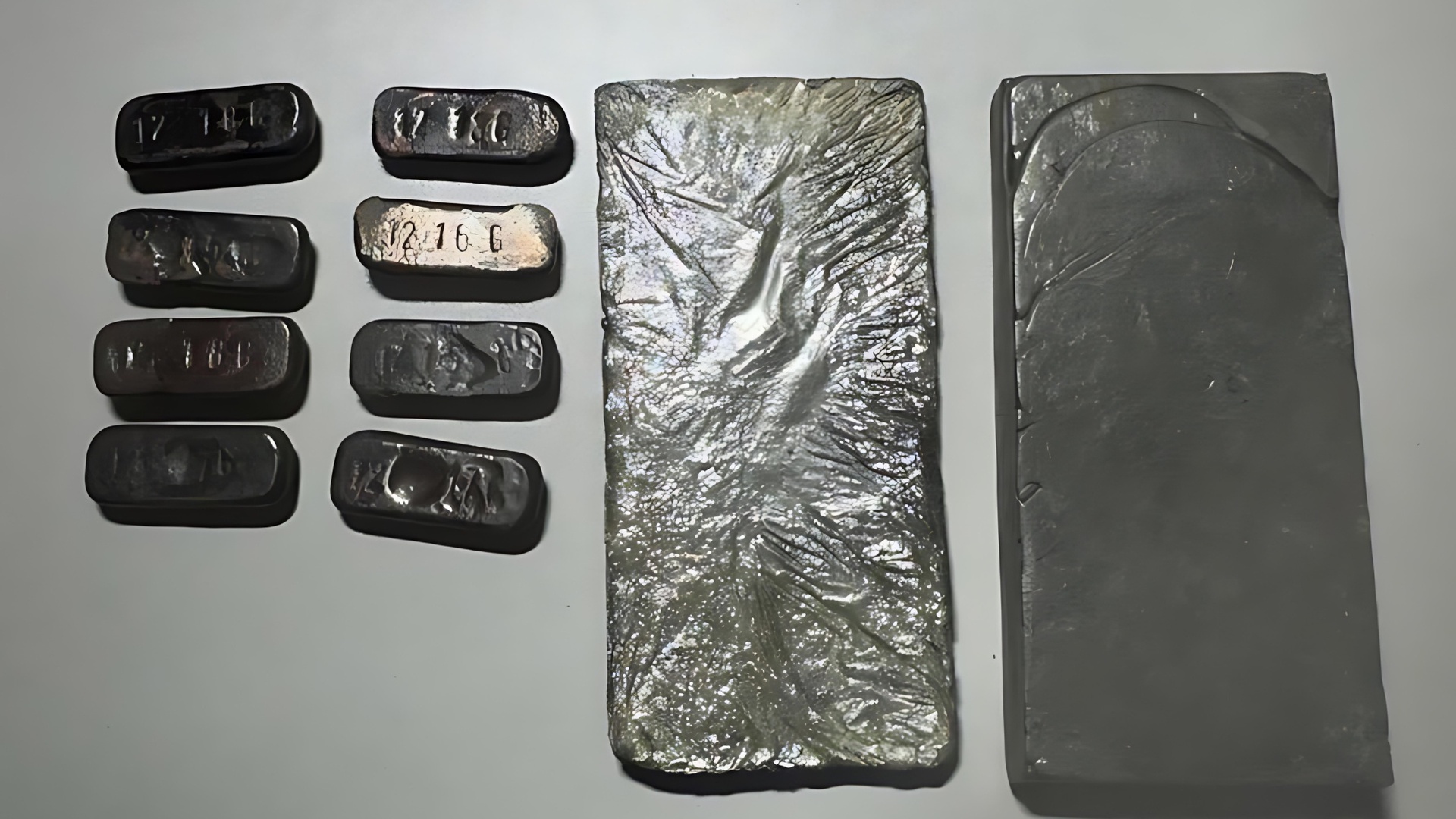
Two very different stories are shaping the 2026 precious metals market. The first is the familiar macroeconomic flight to safety: sovereign debt stress, geopolitical instability, inflation anxiety, and shifting expectations around central-bank policy. This is the story supporting gold and, by extension, silver. The second is a far more severe physical supply crisis unfolding in the much smaller and more opaque platinum group metals market. That is the story driving rhodium.
Gold and silver have both delivered extraordinary gains, but their price behavior still depends heavily on monetary conditions, investor psychology, central bank demand and broader industrial cycles. Rhodium is different. Its outperformance is rooted in hard physical constraints: extreme rarity, by-product-only production, geographic concentration, legally mandated demand, weak recycling flows, and rapidly declining inventories. In short, gold is being repriced as money, silver as both money and an electrification metal, and rhodium as an irreplaceable industrial input facing a genuine scarcity squeeze.
Rhodium’s extraordinary behavior begins with its geology. It is the rarest and most valuable precious metal in regular industrial use, and unlike gold or silver, it is not mined as a primary target. It is extracted almost entirely as a minor by-product of platinum, palladium, and nickel mining. More than 83% of global rhodium output comes from multi-metal platinum group metal operations.
That creates the central problem: supply is nearly inelastic. When rhodium prices surge, miners cannot simply open a rhodium mine. To increase rhodium output, they must mine and process more of the PGM basket. If platinum, palladium, nickel, or broader mine economics do not justify expansion, rhodium production will remain constrained regardless of how high its price rises.
This is why rhodium can experience violent price moves. Strategic Metals Invest data show rhodium rising from $60.49 per gram in January 2018 to $351.19 per gram by May 22, 2026, with huge surges in 2019 and 2020 and another major rally into 2026. Global prices reached roughly $459,508 per kilogram in March 2026 before easing from that spike. Because the market is thin and quotation conventions vary, late-May spot indications ranged around the high four- to low five-figure per-ounce area, including references near $9,300 per ounce. Annual production is tiny: only about 24.46 to 30 metric tons. By comparison, global gold mine production exceeds 3,600 metric tons annually, making gold more than 100 times as abundant in newly mined supply.
Geography makes the problem worse. South Africa accounts for roughly 60% to 80% of global rhodium production, with Russia contributing about 10%, mainly through Norilsk Nickel. Zimbabwe, Canada, and the United States provide smaller amounts. The key producers, Anglo American Platinum, Impala Platinum, and Sibanye-Stillwater, are heavily exposed to South Africa’s Bushveld Igneous Complex.
That concentration introduces systemic risk. South African mining is vulnerable to electricity shortages and load shedding, labor strikes, safety stoppages, regulatory uncertainty, and deep-level mining costs. Russia adds its own geopolitical and sanctions-related risk. Even after the broader PGM basket price rose sharply in 2025, producers had limited ability to respond quickly. New deep-level supply can take years, often more than a decade, to bring online. In rhodium, high prices do not quickly cure high prices.
Rhodium’s demand side is just as unusual as its supply side. Between 71% and 90% of global rhodium demand comes from automotive catalytic converters. Specifically, rhodium is used in three-way catalysts to reduce nitrogen oxides (NOx) to harmless nitrogen and oxygen.
Platinum and palladium are effective at oxidizing hydrocarbons and carbon monoxide, but rhodium is uniquely effective at NOx reduction. That gives it a technological monopoly inside modern emissions-control systems. This technological role is reinforced by law. EPA rules in the United States, Euro 7 standards in Europe, and China 6 standards require strict NOx reductions. Automakers cannot simply refuse to buy rhodium when prices rise. If they fail to meet emissions standards, they face fines or lose the ability to sell vehicles in major markets.
That makes automakers price-takers. The expected collapse in PGM demand from the rapid adoption of battery-electric vehicles has also been slower than many analysts once assumed. Consumers continue to buy hybrids and plug-in hybrids, both of which still require catalytic converters. In some cases, hybrids require higher PGM loadings than conventional vehicles because their engines experience frequent cold starts, during which catalysts are less efficient and require more metal to meet emissions standards.
Rhodium also has smaller but important demand sources in chemical manufacturing, nitric and acetic acid production, electronics, glass strengthening, aerospace coatings, defense applications, and emerging green technologies. Its corrosion resistance, reflectivity, and catalytic efficiency make it relevant to hydrogen fuel cells and green hydrogen systems. These applications do not yet dominate demand, but they help protect rhodium’s long-term strategic value.
In most commodity markets, high prices stimulate secondary supply. Gold jewelry gets sold, silverware gets melted, and scrap flows increase. Rhodium’s recycling channel is much more constrained. The main source of recycled rhodium is spent catalytic converters from end-of-life vehicles. That means secondary supply depends on vehicle scrappage rates. In 2025 and 2026, high interest rates and elevated new- and used-car prices encouraged consumers to keep older vehicles longer. As a result, fewer cars entered the dismantling and recycling pipeline.
Even Europe’s advanced recycling infrastructure has suffered from low refinery utilization because of feedstock scarcity. Lower interest rates have not yet meaningfully increased scrappage volumes, suggesting vehicle retention has become structural rather than temporary.
There are also collection problems. Globally, more than 30% of PGMs embedded in end-of-life catalytic converters are never recovered. Losses occur because of poor collection systems, opaque scrap networks, and weak recycling infrastructure in smaller or emerging markets.
In the United States, catalytic converter theft has created additional friction. Because the values of rhodium, palladium, and platinum rose sharply, theft surged. Legislative responses requiring traceable VIN stamping on catalytic converters were intended to reduce crime, but they also introduced compliance burdens and uncertainty for legitimate scrap dealers. Some dealers slowed purchases, further reducing refinery feedstock.
China’s vehicle trade-in program temporarily helped boost secondary PGM supply, but that support was set to expire around the end of 2025, removing an important source of recycled material.
Even when converters reach refineries, rhodium recovery is technically complex. It requires sophisticated pyrometallurgical and hydrometallurgical processing, as well as advanced methods such as molecular recognition technology. These systems are capital-intensive and difficult to scale quickly. The World Platinum Investment Council expects broader PGM recycling to grow 9% to 10% year over year in 2026, but that is not enough to eliminate the deficit.
The most important difference between rhodium and the larger precious metals is inventory. Gold has enormous above-ground stocks accumulated over centuries. Silver has meaningful depository and private inventories, even though they are being drawn down. Rhodium’s available inventory is far smaller. The pressure is also tied to platinum. Platinum is rhodium’s primary host metal, and the platinum market itself is in deficit. The World Platinum Investment Council estimated a 1.082-million-ounce platinum deficit in 2025. Above-ground platinum stocks are projected to fall 25% to around 2.5 million ounces, less than four months of demand. For 2026, despite a minor Q1 surplus caused by investment outflows, WPIC still forecasts a 240,000-ounce annual deficit.
Because rhodium production is linked to platinum mining, platinum scarcity reinforces rhodium scarcity. Metals Focus projects that rhodium inventories will fall below three months of demand coverage in 2026. That is the critical threshold. When a legally required, chemically irreplaceable industrial metal has less than 90 days of inventory, the market can shift from orderly pricing to panic procurement. Automakers and industrial users may begin hoarding metal, abandoning just-in-time inventory models and draining liquidity even faster. That inventory math supports Metals Focus’s forecast of a 62% rhodium price increase in 2026, with an average price target near $10,200 per ounce by year-end. Platinum is forecast to rise 71%, driven by deficit conditions and investment inflows, while palladium is expected to rise 37%, partly restrained by battery-electric-vehicle displacement.
Rhodium’s investment market is much more difficult than gold or silver. Physical gold is liquid, globally traded, and available in standardized bars and coins with narrow spreads. Silver is less compact and more volatile, but still supported by deep markets.
Physical rhodium is different. Historically, it traded mainly between miners, refiners, and industrial users in sponge or powder form. Today, some specialized mints produce rhodium bars, but premiums are high, availability is limited, and bid-ask spreads can be severe. Selling physical rhodium during market stress can be costly due to shallow secondary liquidity. Exchange-traded products offer easier access. The 1nvest Rhodium ETF on the Johannesburg Stock Exchange is physically backed, with allocated and insured rhodium held in custody. It prohibits metal leasing, reducing counterparty and rehypothecation risk. The db Physical Rhodium ETC offers European investors another physically backed route.
However, even ETFs and ETCs cannot escape the underlying market’s illiquidity. During volatility, net asset values can temporarily diverge from spot prices. If physical rhodium becomes too scarce, authorized participants may struggle to create new shares. Holdings in rhodium ETPs have historically been tiny compared with gold and silver funds, sometimes fluctuating around only 9,300 to 24,000 ounces. Mining equities provide another route through companies such as Anglo American Platinum, Sibanye-Stillwater, and Impala Platinum. But these are imperfect proxies. Their earnings depend not only on rhodium but also on platinum, palladium, exchange rates, electricity costs, labor negotiations, and South African political risk.
Rhodium’s scarcity has consequences beyond commodity investors. First, automakers face margin pressure. If they must buy rhodium at prices above $9,000 per ounce to meet emissions standards, the costs of internal combustion and hybrid vehicles rise. In a high-rate environment where consumers are already financing-constrained, passing those costs through may be difficult. Ironically, expensive rhodium could accelerate automakers’ shift toward battery-electric vehicles for supply-chain and cost-control reasons, even if consumer demand remains uneven.
Second, rhodium is becoming a strategic security issue. South Africa’s dominance gives it geopolitical importance similar to that of other critical minerals. Western reliance on South Africa and Russia for an irreplaceable emissions-control metal exposes a major vulnerability in automotive, environmental, defense, and industrial supply chains. Third, rhodium exposes the limits of the circular economy. If extremely high prices cannot quickly generate enough recycled supply, policymakers may be underestimating the physical constraints facing the energy transition. Recycling is essential, but it cannot instantly overcome geology, collection failures, and processing bottlenecks.
Gold and silver remain central to the 2026 precious metals bull market. Gold is being driven by sovereign debt, geopolitical stress, inflation anxiety, and safe-haven demand. The combined force of monetary demand and industrial electrification is revaluing silver. Rhodium, however, is operating under a more extreme set of rules. It is ultra-rare, mined only as a by-product, concentrated in a few jurisdictions, and required by law for emissions compliance. Its supply cannot quickly respond to price. Its demand cannot easily retreat in response to price. Its recycling pipeline is constrained. Its inventories are approaching critically low levels.
That combination makes rhodium the ultimate commodity anomaly of 2026: not merely a precious metal, not merely an industrial input, but a legally mandated, chemically irreplaceable material trapped inside one of the tightest supply structures in the global commodities market.