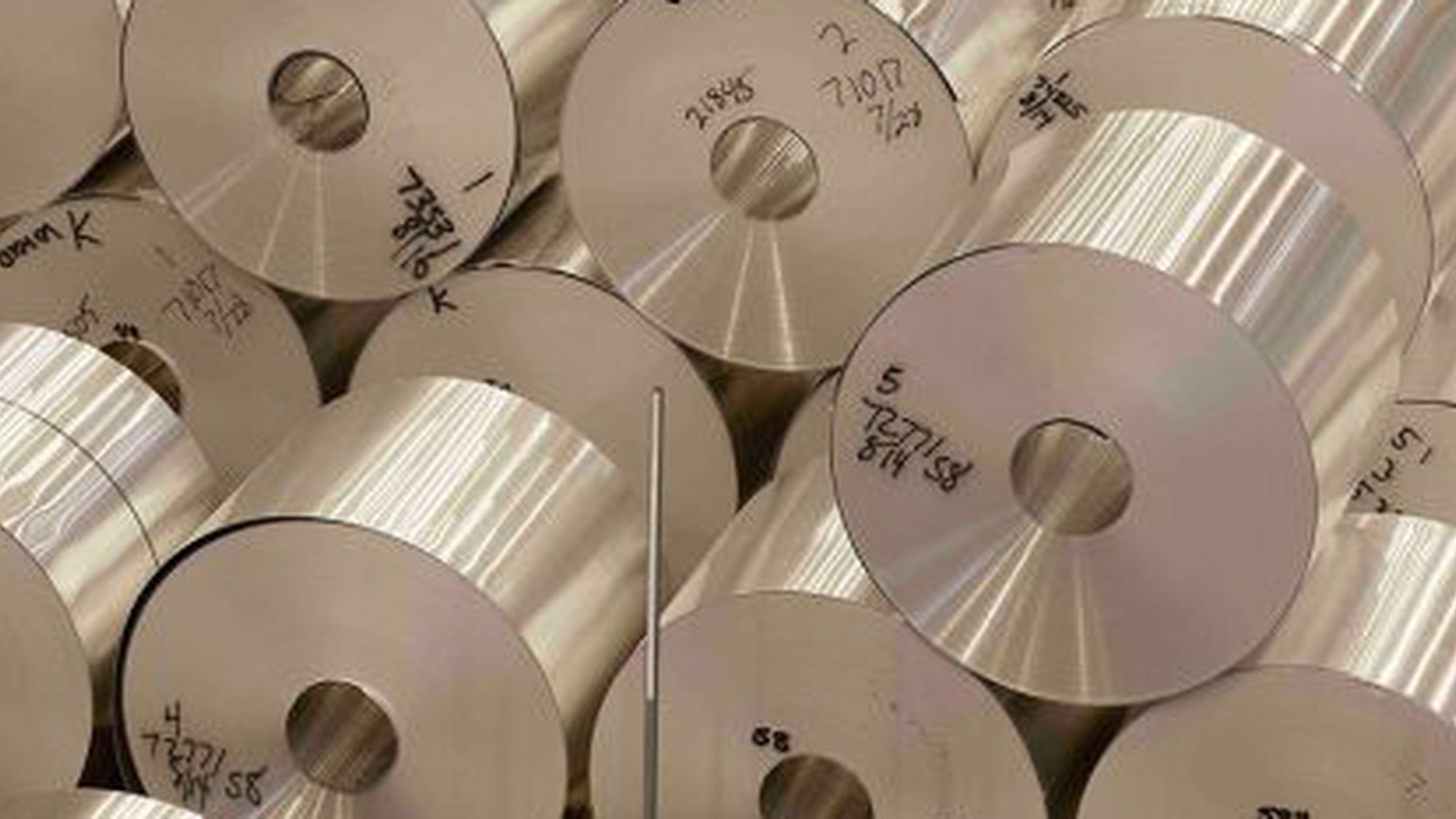
Ruthenium, one of the lesser-known platinum-group metals, has surged to a record high as supply tightens and demand rises from artificial intelligence infrastructure, semiconductors, and data storage.
Once considered a niche industrial metal, ruthenium is now emerging as a critical material in the digital economy. Its growing use in hard disk drives, semiconductor components, and chemical processing has made it increasingly important, just as the market faces structural supply constraints. Analysts say this combination has pushed prices sharply higher and could keep the market in deficit in the years ahead. On March 13, ruthenium was priced at about $1,750 per ounce, according to LSEG data citing Johnson Matthey benchmark prices. That is up dramatically from $560 per ounce a year earlier, underscoring how quickly the market has tightened.
Ruthenium is a silvery-white member of the platinum-group metals family. Though far less well known than platinum, palladium, or rhodium, it has properties that make it highly valuable in advanced industrial applications. It is highly corrosion-resistant, stable under extreme operating conditions, and useful in thin films, resistors, catalysts, and magnetic storage technologies.
Its most important growth driver today is the technology sector. In hard disk drives, ruthenium is used in magnetic layers that enable high-density data storage. As cloud computing expands and companies build more data centers to support AI workloads, demand for enterprise storage systems is rising. That, in turn, is lifting demand for ruthenium.
The metal is also used in semiconductor manufacturing, especially in specialized resistor and thin-film applications where precise electrical performance and thermal stability are essential. Beyond electronics, ruthenium is used in chemical processing equipment and as a catalyst because of its durability in harsh environments.
The rapid buildout of AI infrastructure is reshaping demand for ruthenium. Modern AI systems require vast computing power and enormous storage capacity to handle training data, model weights, and real-time applications. As companies invest in data centers and cloud platforms, hard disk drive production is increasing to meet storage needs.
This connection has led some analysts to describe ruthenium as an indirect play on the AI boom.“The fact that it’s establishing itself as a ‘precious proxy for the AI buildout’, investors have likely also expanded positioning,” said Nicky Shiels, head of research and metals strategy at MKS PAMP. In other words, ruthenium is no longer just an industrial input. It is increasingly viewed as a strategic material tied to the growth of AI, cloud computing, and high-performance computing.
Unlike many other metals, ruthenium is not typically mined as a primary product. It is produced almost entirely as a by-product of platinum-group metal mining, which means supply cannot easily respond to rising prices.
That creates a fundamental market constraint: even if demand surges, producers cannot quickly ramp up output unless broader PGM mining increases as well. The supply picture is made more fragile by geography. Much of the world’s ruthenium comes from South Africa, the dominant source of platinum-group metals. But production there has been weakening. Statistics South Africa reported that PGM output fell 3.8% year-on-year in January 2025.
Producers say this is part of a longer-term trend. According to Northam Platinum, South African PGM production has been declining for several years because of limited investment in new mines over the past two decades. Since new mining projects take years and substantial capital to develop, any meaningful supply response is likely to be slow. Ruthenium refining capacity is also limited, creating another bottleneck in an already tight market.
Analysts expect the imbalance between supply and demand to continue. Wilma Swarts, director of PGMs at Metals Focus, forecasts a 203,000-ounce deficit in the ruthenium market in 2026. That projected shortfall reflects both the strength of demand from technology applications and the inability of supply to expand quickly. In a market as small and illiquid as ruthenium, even modest disruptions or bursts of industrial buying can have an outsized effect on prices.
The structure of its market has also amplified ruthenium’s price rally. Trading liquidity is limited compared with major precious metals, and industrial users and specialized dealers dominate the market. That means relatively small shifts in procurement, inventory restocking, or investor interest can trigger large price moves.
As awareness of ruthenium’s role in AI infrastructure grows, investor positioning may add further volatility. At the same time, electronics manufacturers and semiconductor companies face mounting pressure to secure long-term supply and manage price risk in a market with few traditional hedging tools.
Although current attention is focused on artificial intelligence and data storage, ruthenium’s significance reaches well beyond the technology sector. The metal remains an important material for catalysts in chemical processing, corrosion-resistant industrial equipment, and advanced thin-film technologies. It is also attracting interest in fuel cell research and emerging energy storage applications. Together, these uses create a broader and more diversified base of demand, reinforcing ruthenium’s role as an increasingly important metal in modern industry.
Ruthenium’s rise highlights a broader shift in commodity markets: the materials needed for digital infrastructure are becoming just as strategically important as those used in traditional industrial production. As AI expands, demand is no longer limited to chips and power systems; it also includes the specialized metals that support storage, reliability, and performance across the technology stack.
For now, ruthenium remains a small and little-known market. But its record rally suggests it is becoming much more important. With AI-driven demand accelerating, supply tied to aging PGM mining capacity, and South African production under pressure, ruthenium may continue to play an outsized role in the next phase of the global technology buildout.