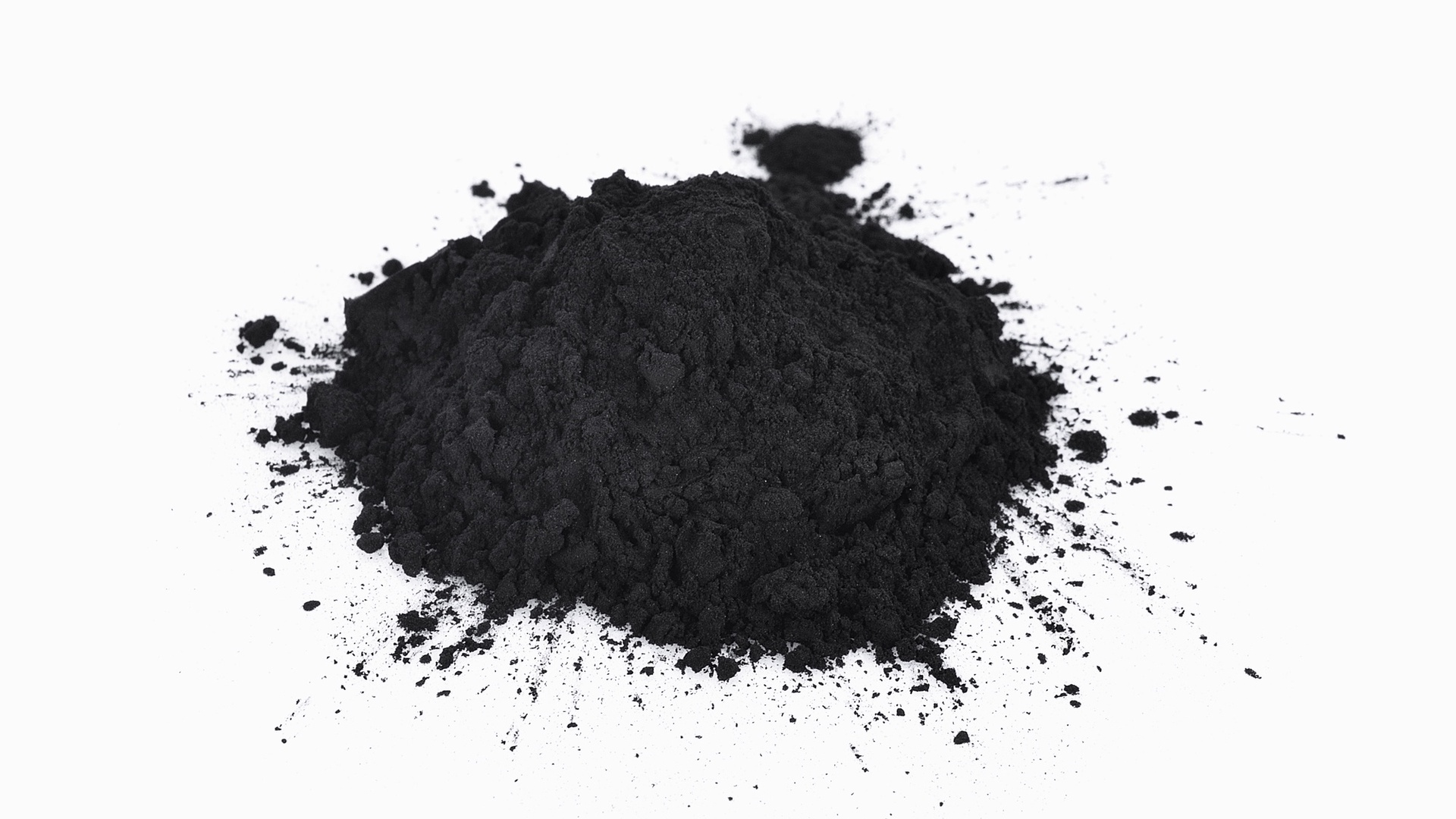
Ruthenium prices are highly volatile because the metal sits between rigid supply and fast-changing technological demand. Unlike major industrial metals, ruthenium is not mined in its pure form. It is recovered mainly as a byproduct of platinum, palladium, and nickel mining. As a result, its supply is controlled by the economics of those larger metals rather than by demand for ruthenium itself.
Even if ruthenium prices rise sharply, miners usually cannot increase output quickly. Producing more ruthenium would require mining and processing more platinum- or palladium-bearing ore, which is expensive and depends on whether those primary metals justify the investment. If platinum or palladium production slows, ruthenium supply can tighten even when ruthenium demand remains strong.
This dependence on byproducts creates an inelastic primary supply. There are no major standalone ruthenium mines, and new platinum-group-metal mining or refining capacity takes years to develop. Supply is also geographically concentrated, especially in South Africa and Russia, making the market vulnerable to power shortages, labor disruptions, sanctions, transport issues, and geopolitical risk.
Because the ruthenium market is small and thinly traded, even modest supply disruptions can lead to large price movements. When buyers fear shortages, they may stockpile material, which can push prices even higher in a short period.
At the same time, demand for ruthenium is changing quickly. The metal has long been used in thick-film resistors, catalysts, electrical contacts, and chlor-alkali anodes, but newer technologies are adding pressure to the market.
Artificial intelligence and cloud computing have increased demand for high-capacity enterprise hard disk drives. Ruthenium is used in ultra-thin magnetic layers inside these drives, helping stabilize data at very high storage densities. As data centers require more storage, demand for ruthenium-containing components can rise rapidly. Advanced semiconductors are another growth area. As chip dimensions shrink, traditional materials face limits related to resistance, diffusion, and reliability. Ruthenium is being used or evaluated for interconnects, electrodes, and memory applications. The metal also remains important in chemical catalysis and is gaining attention in hydrogen and clean-energy technologies. These technology-driven demand shifts can occur much faster than mining supply can adjust, which is a major reason why prices move sharply.
Ruthenium scrap is not valued simply by its gross weight. Its price depends on how much recoverable ruthenium the material actually contains. A refiner must first sample and assay the scrap to determine the metal content. This is especially important because ruthenium-bearing scrap can vary widely, from high-grade sputtering targets and spent catalysts to mixed electronic waste and low-grade industrial residues.
After the assay, the recoverable ruthenium content is multiplied by the current market price or an agreed settlement price. This gives the gross metal value. The final payment, however, is lower because the refiner deducts treatment charges, refining charges, assay fees, handling costs, environmental costs, and allowances for processing losses. In simple terms, the scrap price is based on recoverable ruthenium content, current market value, and the cost and difficulty of turning that scrap into saleable refined metal.
Purity has a major effect on the value of ruthenium scrap because the highest-value applications require extremely clean material. Semiconductor, data storage, and precision catalyst manufacturers often need ruthenium at 99.95% or 99.99% purity. Even tiny impurities can affect electrical performance, magnetic behavior, or catalyst efficiency.
Clean, well-documented scrap is easier to refine into high-purity ruthenium and usually receives better pricing. Contaminated scrap, mixed electronic waste, oily residues, or material with unknown composition is discounted because it is harder and more expensive to process. If the material can only be refined economically into a lower-purity product, the payout will usually be lower.
Lot size also plays an important role in scrap pricing. Ruthenium refining has high fixed costs, including sampling, assaying, chemical processing, labor, equipment setup, and waste treatment. These costs apply whether the refiner handles a small batch or a large industrial shipment.
Large lots usually receive better payouts because fixed costs are spread across more recoverable metal. A clean, high-grade industrial lot is more efficient to process and gives the refiner greater confidence in the assay results. Small or low-grade lots may receive a much lower payout because the cost of testing and refining can consume much of the value. In some cases, refiners may reject small lots unless they are combined with other material through an aggregator.
Ruthenium is volatile because its supply is tied to platinum-group mining and cannot quickly respond to rising demand. At the same time, demand from AI infrastructure, data storage, semiconductors, catalysts, and clean-energy technologies is growing and shifting rapidly. This mismatch makes the market sensitive to shortages, disruptions, and stockpiling.
Ruthenium scrap value depends on assayed recoverable content, market price, purity, contamination, refining difficulty, and lot size. Clean, high-grade, large lots are worth the most because they can be processed efficiently into the high-purity ruthenium required by advanced industries.