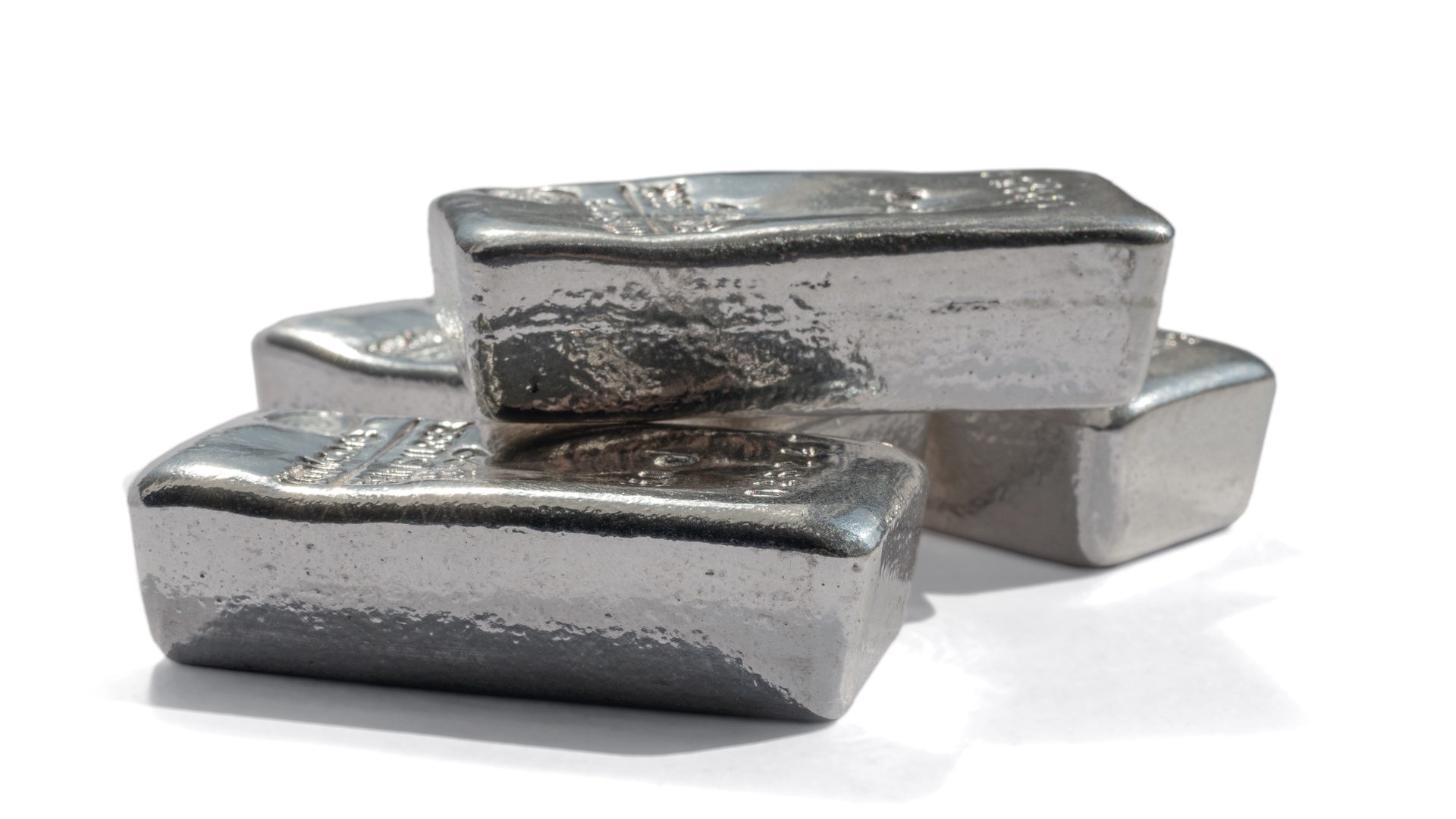
In a stunning November rally, silver futures surged to historic highs, marking a milestone in the precious metals market driven by tightening global supplies, renewed interest rate cut expectations, and volatile trading conditions.
March silver futures catapulted to an all-time high of $55.37 per ounce in early U.S. trading on Friday, November 28, 2025, eclipsing the previous peak set during a dramatic short squeeze in London just over a month ago. Spot silver prices echoed the rally, reaching as high as $55.66 per ounce, supported by strong technical momentum and fundamental supply imbalances. This historic surge marks silver’s best monthly performance since summer 2020, with prices up nearly 12% on the week and almost 90% year-to-date.
Silver’s impressive rise finds one of its main catalysts in a structural supply deficit that continues to deepen. Supply chain disruptions, particularly in the London over-the-counter market last month, exposed just how fragile global physical silver inventories have become.
Despite the arrival of nearly 54 million troy ounces of silver easing London's localized squeeze, pressures have merely shifted eastward. Chinese inventories dropped to their lowest levels since 2015, with reserves in Shanghai Futures Exchange warehouses plunging. This has elevated demand in Asia and ratcheted up global competition for the metal. “In the short term, further price increases cannot be ruled out if registered silver inventories in China continue to decline,” noted analysts from Commerzbank AG.
Adding to supply-side strains is the United States' recent decision to classify silver as a critical mineral for the first time. The designation has raised speculation about future tariffs or export restrictions, and traders are already hesitant to ship precious metals outside the U.S. As a result, more than 75 million ounces have been withdrawn from Comex vaults since early October, all while demand remains elevated.
In tandem with the physical tightening, silver’s rally has been bolstered by an increasingly dovish outlook for U.S. monetary policy. The Federal Reserve is widely expected to cut interest rates in December, driving safe-haven inflows into precious metals. The CME FedWatch Tool shows markets pricing over an 85% probability of a cut next month. This macro backdrop, paired with ongoing sovereign debt concerns, is fueling what analysts refer to as the “debasement trade,” whereby investors flee fiat currencies and bonds in favor of tangible assets like gold and silver. “Bullion is really starting to break out, and silver is clearly leading the charge,” said Michael Brown, senior market analyst at Pepperstone. “A close above the $55 level will keep the bulls firmly in control.”
Silver bulls currently hold the technical upper hand. According to Kitco's Jim Wyckoff, March silver futures reflect a strong technical posture with first-level support seen at $53.00 and upside resistance at $56.00. Wyckoff assigns silver a bullish market rating of 8.5 out of 10.
Unlike gold, silver benefits from strong dual demand as both a monetary and industrial metal. Its critical role in solar power production, electric vehicles, and electronics makes silver particularly sensitive to global manufacturing cycles and long-term green energy trends. With the market expected to see its fifth consecutive annual supply deficit in 2025 and 2026, analysts say silver’s fundamentals remain underappreciated.
“Silver is the only major precious metal with significant industrial application,” said Ole Hansen, Head of Commodity Strategy at Saxo Bank. “That gives it a unique edge, especially in an environment where global inventories are shrinking, and net-zero initiatives are accelerating.”
Adding fuel to November’s volatility was a rare trading halt on November 28 caused by a cooling system failure in a Chicago-area data center, which temporarily shut down CME Group’s futures and options trading. The interruption sparked temporary panic among derivatives desks and exacerbated thin liquidity heading into the U.S. Thanksgiving weekend. That disruption, according to market participants, helped create a short-term spike in safe-haven metals demand and underscored the fragility of the financial market’s infrastructure.
While silver stole the spotlight, gold also saw renewed momentum. February gold futures climbed to $4,231.90, regaining crucial technical levels and hinting at a broader bullish shift in precious metals sentiment. The gold/silver ratio, a key indicator of relative strength between the metals, fell to 74.75, its lowest since May 2024, signaling silver’s dominance in this rally.
As traders gear up for the year-end and key central bank meetings, silver remains poised to benefit from persistent macro and structural tailwinds. Strong ETF inflows, geopolitical uncertainty, and constrained supply continue to create a favorable environment for precious metals. “This is a train that won’t easily be stopped,” said Thorsten Polleit, president of the Ludwig von Mises Institute. “Silver is not just catching up to gold; it’s carving its own path higher. And in a world awash with monetary uncertainty, that path looks increasingly sustainable into 2026.”