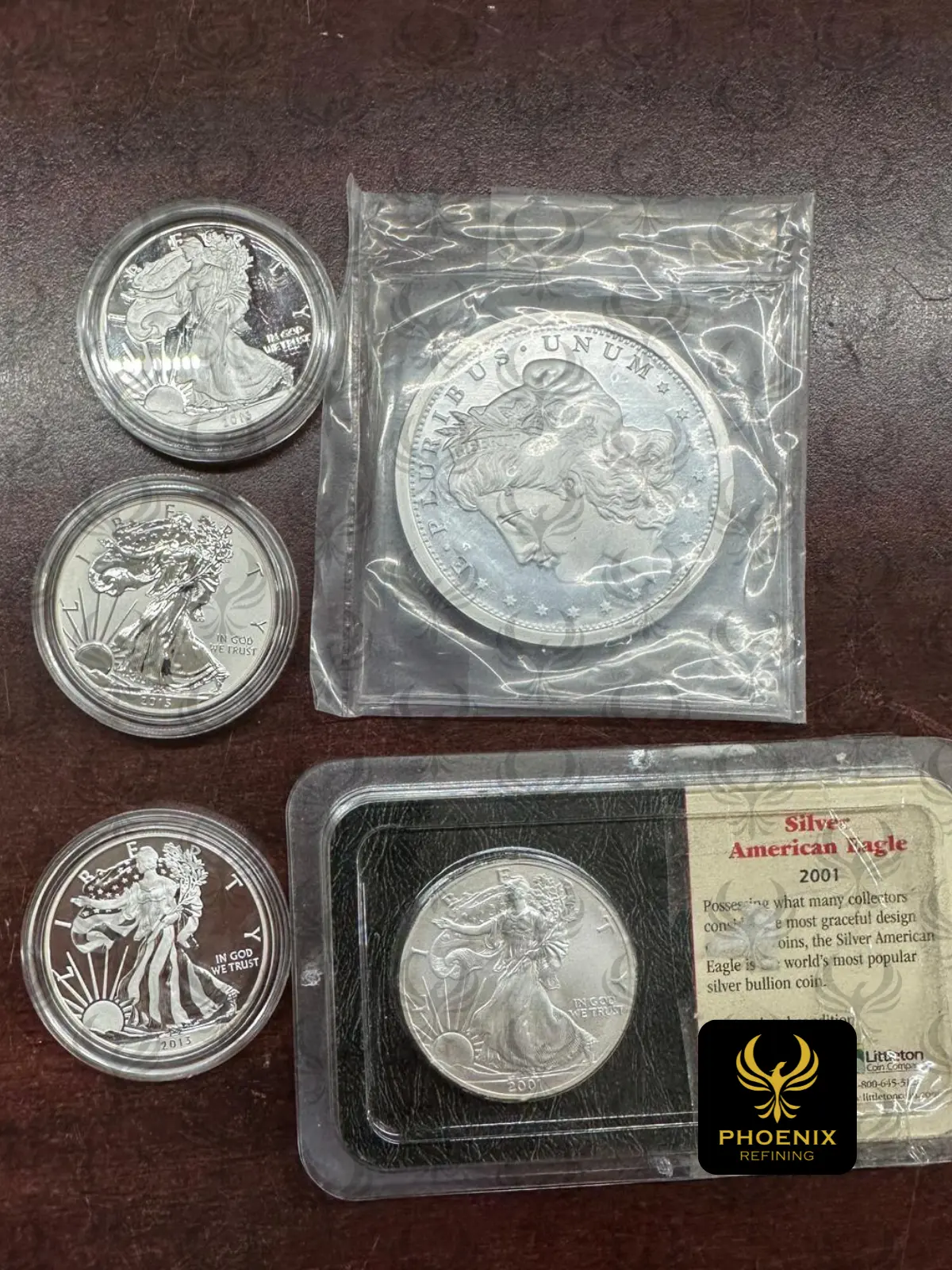
Precious metals markets were rocked Thursday morning as silver prices plummeted more than 10% in a matter of minutes, igniting widespread concern among investors. The sharp sell-off, which also hit gold, platinum, and copper, followed stronger-than-expected U.S. jobs data and a shift in interest rate expectations, triggering technical selling and prompting many to liken the event to a “liquidity flush.” silver had fallen to $75.88 per ounce, down sharply from an intraday high of $84.88 and reaching a low of $74.58. The nearly $10 drop represented a swift 11% collapse, one of silver’s steepest intraday plunges in recent years.
Gold prices also suffered, falling below the key psychological level of $5,000 per ounce. From a peak above $5,100 earlier in the day, gold dropped to as low as $4,900 before rebounding slightly to $4,955, a 2.8% decline. Platinum and copper weren’t spared either, with platinum falling 5.63% to $2,024 and copper sliding 2.78% to $5.80 per pound.“It happened so quickly and feels like a ‘risk-out’ move,” said Nicky Shiels, head of metals strategy at MKS PAMP SA, suggesting the dramatic shift was part of a broader rush for liquidity amid a swoon in U.S. tech stocks. The sell-off wasn’t limited to metals. Crude oil dove nearly 3%, stock indices reached session lows, and U.S. Treasuries surged in a classic risk-off pattern.
Analysts say Thursday’s massive retreat wasn’t sparked by a single event but by a combination of macroeconomic shifts, technical market triggers, and speculative positioning. One key catalyst was the unexpectedly strong January jobs report. The U.S. economy added 130,000 new jobs, nearly double Wall Street expectations, and the unemployment rate dropped to 4.3%. Additionally, weekly jobless claims held steady at 227,000. These strong labor numbers led investors to reassess the likelihood of imminent Federal Reserve interest rate cuts.
Fawad Razaqzada, market analyst at FOREX.com, said the jobs report “trounced expectations,” causing markets to reduce the odds of a March rate cut swiftly. “Markets have reacted in the way you’d expect,” he said, pointing to declines across gold, silver, and the broader commodities complex.
A stronger U.S. dollar further pressured metals, which are priced in dollars and become more expensive for foreign buyers as the greenback rises. On Thursday, the Bloomberg Dollar Spot Index ticked up 0.1%, underlining the shift toward interest-bearing assets.
Analysts also emphasized that Thursday’s plunge was amplified by a wave of technical selling and algorithmic trading strategies.“For days, gold was trapped between $5,000 and $5,100 and silver hovered near $80 to $85,” said Ole Hansen, a commodity strategist at Saxo Bank. “When gold slipped below $5,000, it triggered stop-loss orders. Silver broke $80 and collapsed even harder.”Silver, already volatile due to its dual role as a safe-haven and industrial metal, has also been heavily influenced by leveraged speculative trading following its explosive 2025 rally, during which prices surged over 140%. That made the silver market especially vulnerable to margin calls and forced liquidations as prices fell.
Adding to the pressure, traders dumped futures contracts and options positions, particularly in vehicles such as the iShares Silver Trust, the world’s largest silver ETF. There was significant activity in May/June $125 call options, with investors unwinding formerly bullish positions.
Viktoria Kuszak, senior research analyst at Sucden Financial, noted the abruptness of the move, saying it appeared “flow-driven rather than fundamentally based.” Bloomberg’s macro team suggested that the sell-off was likely driven by systematic or algorithmic trading programs, citing a sudden “air-pocket” effect typically seen when stop-loss levels are breached across liquid markets.
Thursday’s price action reflects just how fragile sentiment in the precious metals market remains, especially in the wake of a historic rally that sent gold above $5,600 and silver past $120 in January. That surge was abruptly capped amid speculation over monetary policy when President Donald Trump nominated Kevin Warsh as Federal Reserve Chair. Warsh is perceived as a hawk on rates, further diminishing expectations of aggressive Fed easing.
While Thursday’s decline appears sharp, analysts say it doesn’t necessarily mark the end of the metals rally. Peter Grant, senior metals strategist at Zaner Metals, suggested that the upcoming Consumer Price Index (CPI) data, due Friday, could revive optimism.“It looks like the expectation is that headline CPI will slow from 2.7% to 2.5%, maybe even 2.4%,” Grant said. “That could revive some rate-cut bets and be favorable to gold and silver.”Even amid extreme volatility, banks like JPMorgan, Goldman Sachs, and Deutsche Bank have maintained bullish long-term outlooks, citing persistent geopolitical risk, central bank buying especially from China and a broader reassessment of traditional financial assets like sovereign bonds.
From a technical standpoint, gold must hold the $4,880-$4,900 support zone to avoid further declines toward $4,800 or even $4,700. The near-term upside target for bulls remains a close above $5,100.Silver’s key support zone now lies between $74 and $70, a level that reflects previous consolidation in late 2024. Should silver successfully defend this area, a rebound toward $85 or even $90 remains possible. If it fails, however, losses could extend toward February’s low of $63.90.
Thursday’s dramatic sell-off in silver and other metals was not a simple profit-taking dip; it was a perfect storm of hawkish macroeconomic data, tighter rate expectations, a surging dollar, and deep technical breaks in crowded trades. While the longer-term case for precious metals remains intact, today’s action serves as a stark reminder: in 2026’s market landscape, volatility rules. Investors should prepare for continued whipsaws in metals markets, with liquidity pressures, economic data releases, and Federal Reserve signals set to keep gold, silver, platinum, and copper on a rollercoaster ride in the weeks ahead.