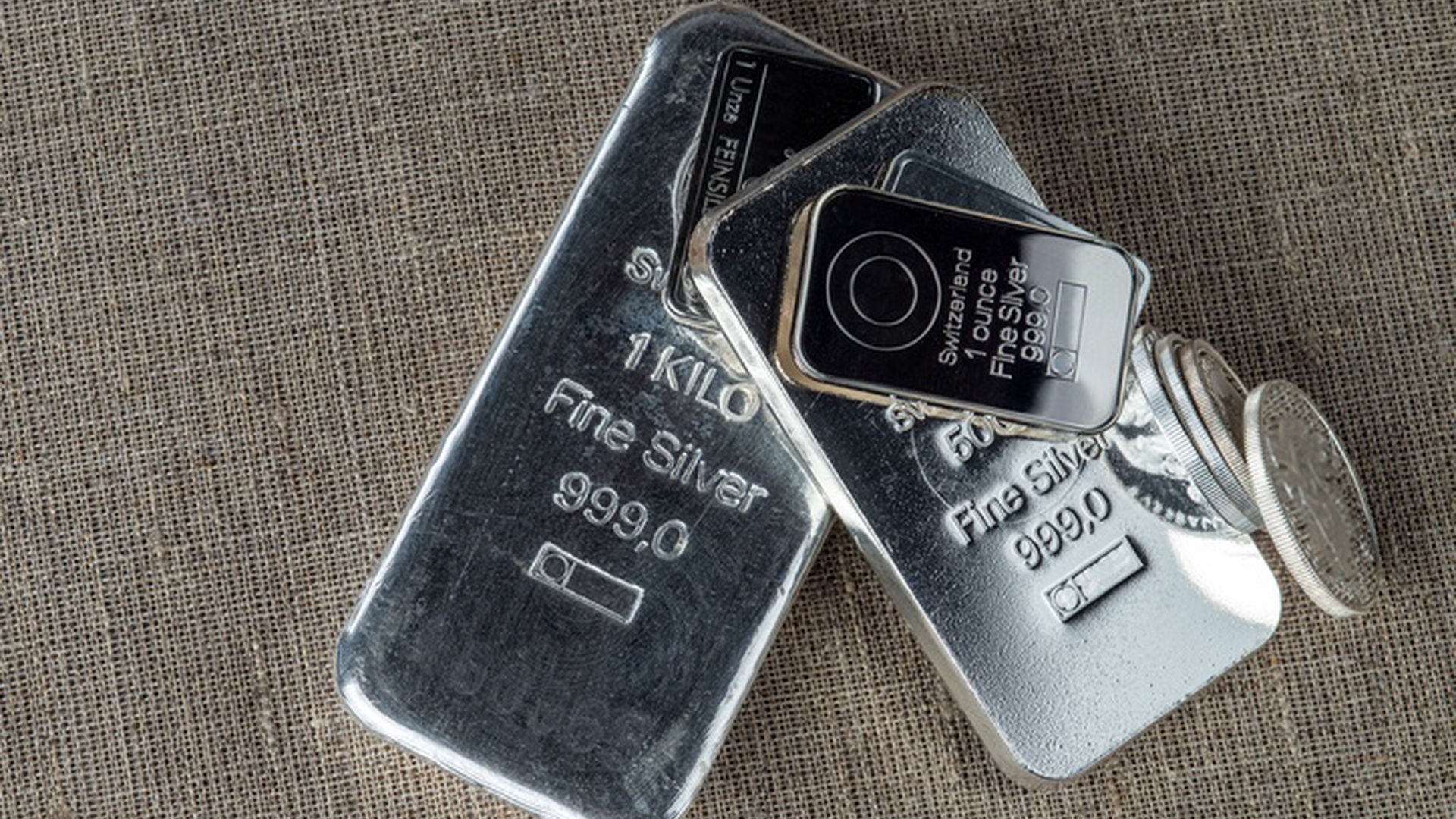
Silver’s role in clean energy technologies, particularly solar power, is both crucial and complex. It is integral to the performance of photovoltaic (PV) cells, the dominant technology in the solar sector, due to its unmatched electrical and thermal conductivity. As a conductor in crystalline silicon (c-Si) solar cells, silver enables efficient electron flow, which is essential for converting sunlight into electricity. Silver is used as a paste on the PV cells’ front and back contacts, which collect and transmit electrons generated by sunlight. This application accounts for a significant share of global silver use, and as solar energy infrastructure expands to meet climate goals, demand for silver is poised to outpace known resources, potentially leading to supply constraints and price increases.

According to cumulative demand models, the need for silver in the solar sector alone could reach around 2.6 million tons by 2050. This projected demand is approximately 340% of the current known global silver resources, creating a potential shortage that presents a major obstacle to the solar industry. Given that silver already constitutes between 6% and 14% of the cost of producing c-Si solar panels, the economic implications of a supply constraint are substantial. With rising silver prices, the cost of solar panels would increase, potentially slowing the adoption of solar energy and making it more challenging to meet targets set by climate policies and international agreements.
The high demand for silver in another clean energy technology—concentrated solar power (CSP)—further complicates this situation. CSP systems use silver in their mirrors’ reflective coatings to focus sunlight onto a receiver, which then generates heat to produce electricity. Silver’s high reflectivity makes it ideal for this application, allowing CSP systems to achieve up to 95% reflectivity. However, like PV cells, CSP technologies face significant silver supply risks, especially as more regions adopt CSP to complement PV solar power generation.

One approach to addressing the silver demand for clean energy is recycling, particularly from end-of-life PV panels. Recycling silver could theoretically meet up to 55% of cumulative silver demand through 2050, given that PV panels typically have a lifespan of 20 to 30 years. Current silver recycling methods in the solar industry recover a large proportion of silver from used panels, reintroducing it into the supply chain. However, the volume of end-of-life panels available limits this recycling potential. Since the large-scale adoption of PV technology is relatively recent, it will be several decades before substantial quantities of silver can be recovered from recycled panels. In the short term, this means recycling can only address a portion of the demand, with substantial gaps still expected unless alternative measures are implemented.
Substitution Strategies and Technological Adaptation
To mitigate the potential shortage of silver, PV manufacturers are exploring substitutes such as copper and aluminum, which could serve as conductors in PV cells, albeit with trade-offs. For example, copper has been tested as an alternative to silver in PV cell contacts. Still, it is less efficient and prone to corrosion, which could reduce the cells’ longevity and efficiency. While some advanced “metal wrap-through” technologies allow for less silver by using alternative materials in certain cell layers, this approach is not yet widely implemented.
CSP systems also face potential silver shortages and are investigating aluminum as an alternative for mirror coatings. However, using aluminum instead of silver would reduce mirror reflectivity from 95% to approximately 90%, necessitating a larger reflector area to achieve the same energy output. This shift would impact the land-use efficiency of CSP installations and potentially increase costs, making aluminum a suboptimal solution in numerous instances. As a result, CSP technologies need more innovative solutions to address their silver dependency without sacrificing efficiency and economic feasibility.
The solar sector’s dependence on silver is driving research into alternative technologies that reduce or eliminate silver use. Emerging solar technologies, such as organic and perovskite solar cells, show promise in reducing silver use. For instance, perovskite solar cells do not require silver and have achieved efficiencies comparable to those of traditional c-Si cells. However, these technologies are still in the experimental phase and face challenges, particularly regarding stability, efficiency, and scalability to commercial production levels. The development and commercialization of silver-free solar technologies are therefore crucial to ensuring a sustainable, silver-independent future for solar energy.
Another promising area of research involves reducing the silver content in PV cells by making the silver layers thinner and optimizing the cell design to maintain efficiency. These design optimizations can potentially reduce the overall quantity of silver required per watt of PV capacity, helping to moderate demand and costs. However achieving widespread implementation of these technologies will require both time and significant investment in research and development.

Silver’s critical role in clean energy technologies highlights broader material constraints in the clean energy transition. Unlike wind power, which relies on rare earth elements but does not face the same degree of supply risk, solar power is heavily dependent on silver and other critical metals, including indium, tellurium, and ruthenium. If material shortages arise as projected, they could significantly impact the cost and scalability of solar energy, one of the most promising avenues for reducing global greenhouse gas emissions.
This reliance on critical metals emphasizes the necessity of sustainable materials management in the clean energy sector. Innovations in recycling and material substitution will be key to ensuring that clean energy technologies remain viable and scalable. It also suggests that policymakers and industry stakeholders need to prioritize resource availability and sustainable sourcing in clean energy planning to avoid potential bottlenecks that could hinder the global transition to renewable energy.
Silver plays a crucial role in the clean energy sector, particularly in the manufacturing of photovoltaic (PV) cells and concentrated solar power (CSP) mirrors. However, the limited availability of silver and its escalating costs present significant challenges as the demand for renewable energy continues to grow. While recycling efforts and material substitutions can help alleviate some of this demand, they are unlikely to bridge the projected supply gap fully. To ensure long-term sustainability in the clean energy industry, it may be necessary to explore new technologies and alternative materials to reduce reliance on silver. This situation highlights the importance of addressing resource limitations while pursuing technological innovations to achieve a sustainable and resilient future for global energy.