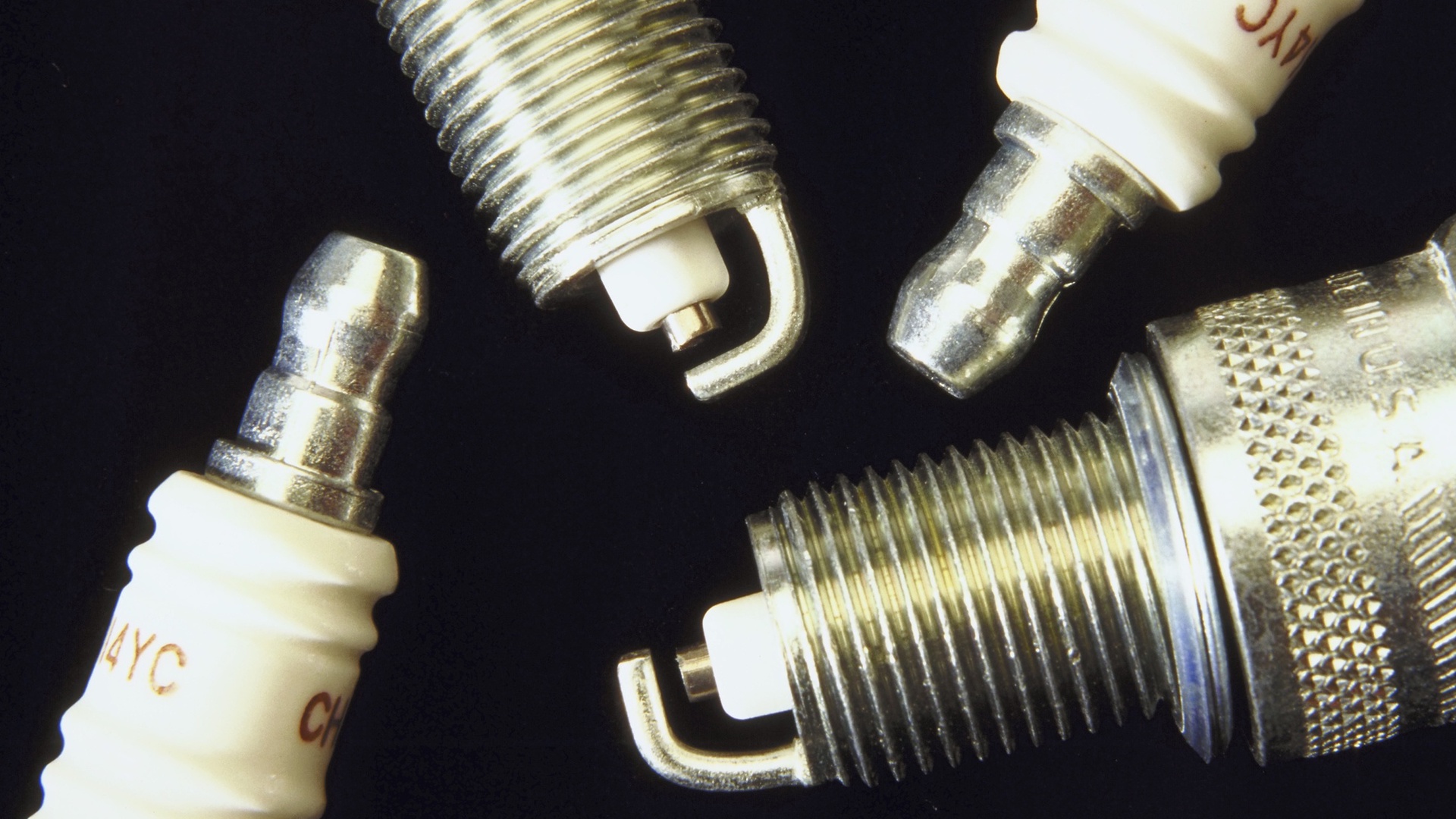
For decades, used spark plugs were treated as low-value automotive waste. Once removed during routine maintenance, they were typically discarded, mixed with general metal scrap, or sent into steel recycling streams where any precious metals they contained were effectively lost. That system persisted because the amount of valuable metal in each spark plug was extremely small, and recovering it seemed more trouble than it was worth.
That has changed. Spark plug recycling is becoming a serious industrial activity, and the main reason is simple: iridium has become too expensive to discard. Modern high-performance spark plugs often contain iridium in their firing tips because few materials can survive the intense heat, pressure, and chemical attack inside an engine. But iridium is one of the rarest and most expensive metals in the world. As prices have surged and supply has remained tight, even the tiny quantity of iridium inside a used spark plug has become economically significant when collected at scale. What was once ignored as scrap is now considered a recoverable strategic resource.
Iridium is not used in spark plugs because it is precious; it is used because it performs exceptionally well under extreme conditions. Inside an engine, the spark plug must repeatedly generate an electrical arc that ignites the compressed air-fuel mixture. This happens in an environment of intense thermal cycling, high chamber pressure, and corrosive combustion gases.
To improve ignition efficiency, spark plug manufacturers aim to make the electrode as small as possible. A finer tip reduces quenching, lowers voltage demand, and produces a more reliable spark. The challenge is that smaller electrodes are exposed to greater thermal and electrical stress, so they need to be made from a material that will not erode, melt, or oxidize quickly. That is where iridium stands out. It has an extremely high melting point, exceptional hardness, and remarkable resistance to wear. These properties allow manufacturers to make ultra-fine electrodes that last far longer than traditional nickel designs and perform better in modern high-efficiency engines. In practical terms, iridium enables spark plugs to fire more precisely, last longer, and meet stricter emissions and fuel economy requirements.
The reason spark plug recycling has become important is not just technical; it is economic. Iridium has become so expensive that losing it in the waste stream no longer makes financial sense. Iridium is one of the rarest stable elements in the Earth’s crust. Global production is extremely limited, and most of it comes as a byproduct of platinum and palladium mining. That means supply cannot easily increase just because prices rise. Even if the market needs more iridium, mining companies cannot simply decide to produce more of it on demand.
At the same time, demand has grown. Iridium is used not only in spark plugs but also in chemical processing, electronics, medical devices, and, increasingly, green hydrogen technologies such as PEM electrolyzers. This combination of limited supply and growing industrial demand has pushed prices sharply higher over the past several years. Once iridium reached these elevated price levels, the economics of spark plug recycling changed completely. A single plug may contain only a tiny amount of iridium, but millions of iridium spark plugs are replaced every year. At scale, those microscopic tips represent a meaningful and recoverable pool of high-value metal. Spark plug recycling became viable because iridium became too valuable to leave behind.
If iridium is valuable, why were spark plugs not recycled properly all along? The answer is that the metal was historically too difficult to recover. The iridium in a spark plug is concentrated in an extremely small welded tip. The rest of the plug is mostly steel, ceramic, and copper. Traditional recycling systems were designed for bulk materials, not for the surgical removal of microscopic pieces of precious metal from complex assemblies. When spark plugs were shredded or sent into steel recycling, the iridium was diluted, trapped in slag, or otherwise lost beyond practical recovery.
Manual separation was also not realistic. Cutting the tiny iridium tip from each used spark plug one by one would require too much labor to be economically viable. For years, recyclers faced a basic problem: the metal was valuable, but the cost and difficulty of extracting it outweighed the return. That balance shifted only when iridium prices rose high enough to justify specialized recovery systems.
The rise in iridium prices created a strong incentive for innovation. Once enough value was concentrated in used spark plugs, companies began developing dedicated technologies to recover it. Instead of crushing plugs as ordinary scrap, modern recycling operations use robotic dismantling systems, machine vision, and sensor-based sorting to identify and isolate only the precious-metal-bearing components. Technologies such as X-ray fluorescence and laser-induced breakdown spectroscopy can help distinguish iridium and platinum spark plugs from low-value standard plugs. Robotic systems can then clip or separate the tiny electrode tips without contaminating the material with unnecessary steel or ceramic.
This step is crucial because it creates a concentrated feedstock that can be sent into precious-metal refining. In other words, rising iridium prices did not just make spark plug recycling attractive; they directly funded the development of the tools required to make it possible. Without expensive iridium, there would be no reason to build such systems. The recycling industry exists because the value of the recovered metal now justifies the cost of precision handling and refining.
Recovering the tip from a spark plug is only part of the process. The extracted material still has to be chemically refined into usable iridium. This is not easy, because iridium is one of the most corrosion-resistant metals known. That durability is why it works so well in engines, but it also makes it difficult to dissolve and separate during recycling. Specialized refining processes are required to remove base metals, separate iridium from platinum and rhodium, and convert them into high-purity metallic powder or sponge. These refining steps are technically demanding, but they are now worthwhile to perform because the recovered iridium has such high market value. Once again, the driver is price. If iridium were cheap, the refining process would not be justified. The high cost makes it worthwhile to recover and purify even small quantities.
The importance of recycling extends beyond simple profit. Iridium supply is highly constrained and vulnerable to disruption because it is concentrated in a small number of mining regions and is produced mainly as a byproduct. That makes secondary recovery increasingly valuable as a source of supply stability. Used spark plugs represent a dispersed but significant secondary resource. While each plug contains only a tiny amount of metal, the total number of plugs replaced globally creates a large cumulative opportunity. Recycling turns this waste stream into a supplementary source of iridium at a time when demand is growing, and supply is hard to expand.
This is particularly relevant as iridium becomes more important to sectors tied to the energy transition. Recovering iridium from automotive waste helps reduce pressure on primary mining and keeps valuable material circulating within the industrial economy.
Although economics is the main reason spark plug recycling has emerged, the environmental benefits make the case even stronger. Mining iridium from ore is energy- and carbon-intensive and environmentally disruptive. It requires processing massive quantities of rock to extract extremely small quantities of metal. By contrast, recycling recovers iridium from material that has already been mined, refined, manufactured, and used. This dramatically reduces the environmental burden per unit of recovered metal. It also helps avoid some of the social and ecological costs associated with deep mining operations.
Still, the environmental case alone probably would not have been enough to create a spark plug recycling industry. The decisive factor was that iridium became expensive enough for the economics to align with the sustainability benefits.
Spark plug recycling is becoming a real and necessary industry because iridium has become too expensive to waste. The metal’s exceptional properties make it essential for modern spark plug performance. Still, its scarcity, limited supply, and rising demand have pushed its value to the point where even tiny amounts in used plugs are now worth recovering. For years, those amounts were lost because the recovery process was too difficult and too costly. High iridium prices changed that. They created the economic incentive for new robotic, analytical, and refining technologies that can now extract and purify iridium from spent spark plugs at scale.
In the end, spark plug recycling exists because the market made ignoring iridium impossible. What was once discarded as ordinary automotive scrap is now recognized for what it truly is: a small but valuable source of one of the world’s most expensive and strategically important metals.