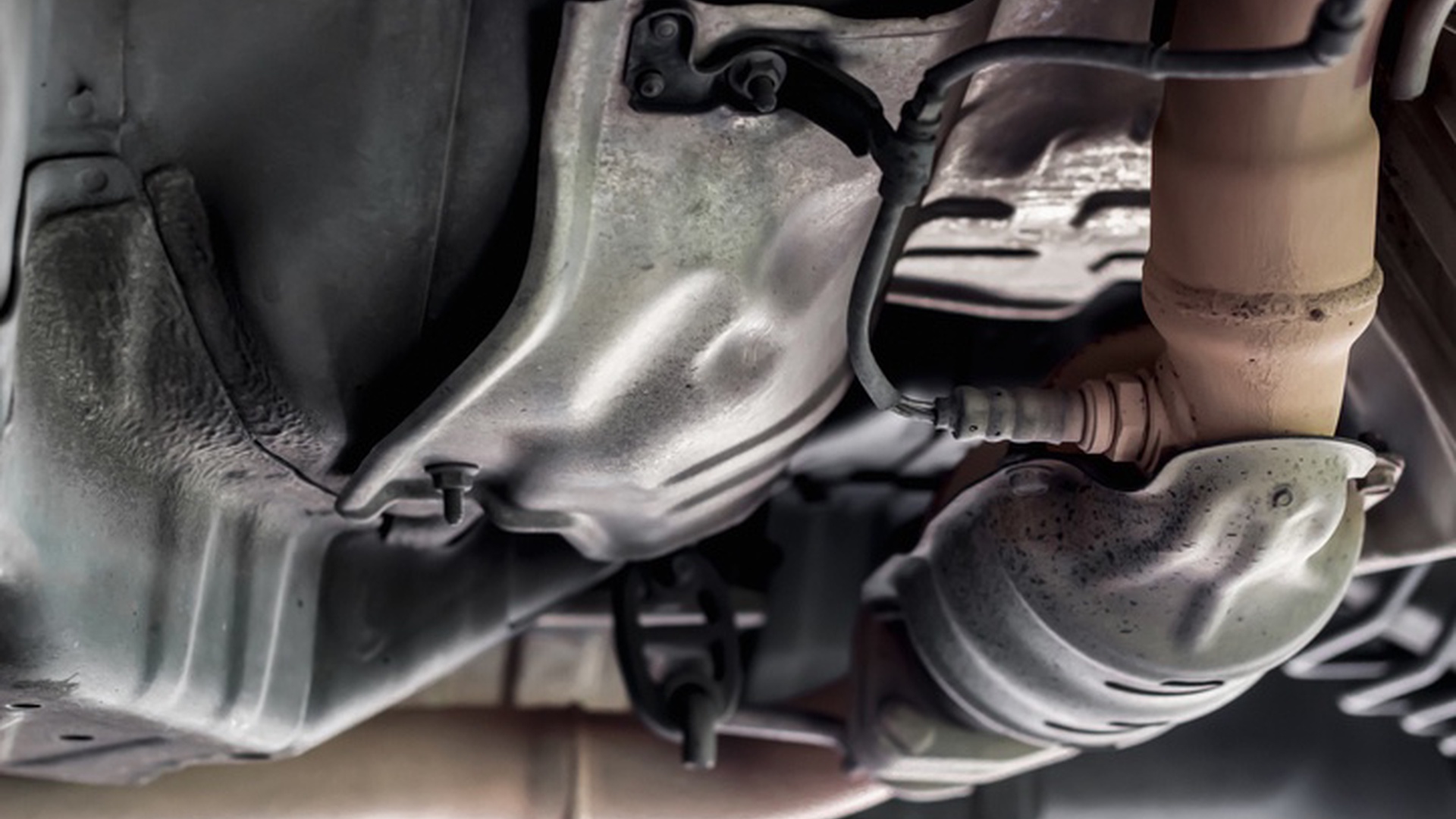
Catalysts are fundamental to modern chemical production. They enable petroleum refining, fertilizer manufacture, pharmaceutical synthesis, vehicle-emissions control, water treatment, and many other industrial processes. In electrochemical industries, catalytic electrode coatings perform a similar function by accelerating reactions while reducing electricity consumption. Despite their value, catalysts do not last indefinitely. Prolonged exposure to heat, corrosive chemicals, and contaminants gradually damages their structure and reduces their activity. Carbon deposits, sulfur, metals, and process residues can poison active sites, while thermal sintering and physical erosion diminish usable surface area. Once regeneration is no longer technically or economically practical, the material becomes a spent catalyst.
Historically, spent catalysts were often treated as hazardous waste and sent to landfills or low-value recovery operations. A circular model is increasingly replacing that approach. Stricter environmental regulations, volatile metal prices, and concerns about critical material security have made spent catalysts valuable secondary resources. Specialized refineries now recover metals from these materials and return them to industrial production at purities comparable to those of newly mined materials.
Titanium–ruthenium anodes are among the most important examples of this transformation. Used extensively in chlor-alkali production and other electrochemical systems, these anodes contain thin coatings of strategically valuable platinum-group metals. Their recovery demonstrates how industrial waste can be converted into a renewable manufacturing asset.
Titanium–ruthenium electrodes belong to a class of products known as Dimensionally Stable Anodes, or DSAs. Their introduction transformed chlor-alkali manufacturing by replacing graphite anodes that eroded rapidly during operation. Unlike consumable carbon electrodes, DSAs preserve their basic geometry under severe electrochemical conditions. They also require less energy to drive chlorine production, helping plants reduce electrical consumption and operating expenses.
A typical DSA consists of a titanium substrate covered by a thin electrocatalytic mixed-metal-oxide coating. The substrate is commonly manufactured as expanded mesh, which provides a large surface area and allows chlorine and other gases to escape efficiently. Titanium is used because it combines mechanical strength, relatively low weight, and excellent corrosion resistance. When exposed to oxidizing environments, it develops a thin protective oxide film. This passive layer prevents rapid destruction of the underlying metal if small areas of the catalytic coating become damaged.
The active coating usually contains ruthenium oxide combined with titanium oxide and iridium oxide. Ruthenium supplies the primary catalytic activity and electrical conductivity needed for efficient chlorine production. Titanium stabilizes the coating and reduces the amount of precious metal required. Iridium improves durability, particularly under operating conditions that promote oxygen formation and accelerated ruthenium loss. Some formulations may also contain platinum or other modifiers. The exact composition depends on the electrolyte, current density, desired product, and expected service life.
Dimensionally stable does not mean permanently active. Although the titanium framework can remain intact for many years, its catalytic coating gradually deteriorates.
Ruthenium is highly effective at promoting chlorine production, but it can become unstable under strongly oxidizing conditions. This is especially important when chloride concentration declines, acidity changes, or current distribution becomes uneven. Under such conditions, more electrical current may be diverted toward oxygen production.
The formation of oxygen places additional stress on the coating. Ruthenium at the surface can be oxidized into unstable species that dissolve in the electrolyte or leave the electrode. The loss is normally gradual, but it permanently reduces the amount of active catalyst.
Iridium is added to slow this process. It provides greater resistance to aggressive oxygen-forming conditions and helps stabilize the ruthenium-containing structure. Titanium within the coating also changes its electronic and structural properties, reducing the rate at which ruthenium is lost. Physical degradation occurs at the same time. Gas evolution, thermal cycling, and long operating periods can produce pores, fissures, and localized thinning. Eventually, parts of the titanium substrate become exposed. Exposed titanium rapidly creates a protective passive film. Although this film prevents severe corrosion, it is poorly conductive compared with the base metal and active coating. It therefore acts as an electrical barrier. Cell resistance rises, electrical efficiency declines, and localized voltage increases accelerate damage to the surrounding catalytic surface.
An anode may consequently reach the end of its operational life even though most of its titanium structure remains mechanically usable. This scenario creates the central opportunity for refurbishment.
Not every anode can be recoated. Meshes may be bent, thinned, cracked, or incompatible with a new electrolyzer design. Refurbishment also produces coating flakes, stripping solutions, filter residues, polishing dust, and other metal-bearing materials. These materials are sent to specialized precious-metal refineries. At this stage, the objective changes from preserving the anode to recovering and purifying its ruthenium, iridium, and any other valuable metals.
A spent DSA may look similar to ordinary titanium scrap, but its economics are completely unique. The thin surface coating contains most of the value. Selling the entire component only for its titanium content can result in a substantial financial loss. Accurate sampling and analysis are therefore essential. Refiners must determine the remaining precious-metal content and account for metals contained in solids, liquids, dust, and process residues. Transparent assay and settlement procedures allow anode owners to receive appropriate credit for the recovered material.
Ruthenium is one of the rarest stable elements. It is generally not mined as a primary product but recovered as a minor by-product of platinum- and nickel-bearing ores. Most primary production is concentrated in a limited number of mining regions.
This creates a structurally inflexible supply chain. Ruthenium output cannot be increased quickly in response to rising demand because production depends on the economics and operating rates of the host metals. Significant expansion could require processing much larger volumes of platinum or nickel ore.
At the same time, ruthenium demand extends beyond chlor-alkali anodes. It is used in electronics, data-storage components, electrical contacts, chemical catalysts, and emerging hydrogen technologies. Iridium is similarly important for corrosion-resistant equipment, electrochemical systems, and advanced energy applications. Because supply is concentrated and difficult to expand, both metals can experience severe price volatility. Closed-loop recycling allows manufacturers to reduce their exposure to this uncertainty while preserving strategically important materials for future production.
Titanium–ruthenium anodes demonstrate how industrial materials can be designed and managed for circularity. Their architecture already supports a recoverable model: a durable titanium structure carries a thin, replaceable catalytic coating. When performance declines, the complete anode does not need to be discarded. Deposits may be removed, coatings may be replaced, and titanium substrates may be reused several times. When mechanical damage finally prevents refurbishment, specialized refineries can recover the remaining ruthenium, iridium, and other precious metals for use in new products.
This system creates several benefits simultaneously. It reduces hazardous waste disposal, avoids unnecessary titanium replacement, lowers demand for primary mining, and strengthens access to scarce platinum-group metals. It can also dramatically reduce greenhouse gas emissions over their lifecycle while protecting industrial operators from extreme metal price volatility. The larger lesson extends beyond chlor-alkali production. Spent catalyst refineries should not be viewed merely as end-of-pipe waste processors. They are essential parts of the manufacturing supply chain. By combining maintenance, refurbishment, metal recovery, and responsible regulation, they keep critical materials in productive circulation.
For titanium–ruthenium anodes, closing the loop turns an exhausted electrode from a disposal liability into a renewable industrial asset, one capable of supporting cleaner chemical manufacturing for decades.
When evaluating potential feedstocks for recycling, Phoenix Refining considers various materials from industrial operators. These include spent titanium–ruthenium anodes and dimensionally stable anodes, as well as mixed-metal-oxide electrodes. They also accept coating residues that contain ruthenium and iridium, as well as spent process and petrochemical catalysts, and various catalyst powders, sweeps, and filter cakes. Off-specification precious-metal compounds and production scrap also fall within their scope, making it possible for businesses to turn these PGM-bearing industrial materials into valuable resources. By partnering with Phoenix Refining, organizations can effectively recover value from these residual precious metals while reducing the volume of industrial waste that requires disposal and promoting the return of critical resources to productive use.