In the modern industrial economy, few materials illustrate the tension between technological ambition and physical scarcity more sharply than iridium. As the world accelerates toward decarbonization, electrification, and advanced manufacturing, this rare platinum-group metal has moved from the margins of industrial use to the center of strategic supply chain planning. Its exceptional resistance to corrosion, extremely high melting point, and outstanding electrochemical performance make it indispensable in applications ranging from chemical processing and aerospace components to medical technologies and, increasingly, proton exchange membrane (PEM) electrolyzers used in green hydrogen production.
Yet iridium’s industrial importance is matched by the fragility of its supply. It is among the rarest elements in the Earth’s crust and is never mined on its own. Instead, it is recovered only as a byproduct of extracting platinum, palladium, and nickel. That makes the metal’s supply structurally inelastic: even sharp increases in demand do not translate into rapid gains in production. Mining companies cannot simply decide to produce more iridium, because the economics of extraction depend overwhelmingly on the markets for other metals.
This is the defining paradox of iridium in the modern era. Demand is rising just as the limitations of primary supply are becoming impossible to ignore. In response, recycling has evolved from a useful supplement into a central pillar of market stability. Today, secondary recovery channels influence roughly 24% of global iridium supply dynamics. That “24 percent solution” is no longer a peripheral environmental story. It is the principal mechanism helping stabilize a volatile and geopolitically exposed market.
Iridium’s strategic significance begins with its physical properties. It is one of the densest naturally occurring elements, resists chemical attack better than almost any other metal, and remains stable under extreme thermal and electrochemical stress. These attributes make it uniquely valuable in environments where failure is not an option: aggressive industrial chemical systems, high-performance electronics, aerospace engineering, and electrolysis technologies at the heart of the hydrogen economy.
But these same industries are now confronting the fact that iridium is produced in vanishingly small quantities. Global primary output typically totals only 7-8 tonnes per year. That is an astonishingly small volume for a material increasingly expected to support critical energy and manufacturing systems worldwide. The geographic concentration of this output magnifies the risk. South Africa alone accounts for about 83% of the primary iridium supply, largely from the Bushveld Igneous Complex. Russia contributes roughly 11%, primarily through byproduct recovery from nickel mining in the Norilsk region. Smaller amounts come from Zimbabwe, Canada, and the United States. In practical terms, about 94% of newly mined iridium depends on the mining and refining infrastructures of just two countries.
That concentration creates a classic strategic bottleneck. A disruption in South African mine output, smelting, or refining capacity can ripple quickly through global markets. The same is true of geopolitical tensions involving Russian material. For industries that require iridium to maintain production, the supply chain is therefore not merely tight; it is structurally vulnerable.
South Africa’s dominance in iridium supply would be manageable if the country’s industrial infrastructure were consistently reliable. It is not. For more than a decade, the nation’s electricity system has been under severe stress, with chronic power shortages forcing recurring load shedding. These planned outages have at times cut electricity for hours each day, directly affecting the country’s industrial base. This matters profoundly for platinum group metals. Deep-level mining and downstream refining are highly energy-intensive. Underground operations require continuous electricity for ventilation, cooling, hoisting, and worker safety systems. Smelters and refineries depend on a stable power supply to avoid equipment damage and process interruptions. When power availability falls, mining firms must scale back production or suspend parts of their operations.
Because iridium is recovered as a byproduct, every reduction in platinum or nickel production also constrains iridium output. The result is that South Africa’s electricity instability imposes an effective ceiling on the global supply of iridium. Even if demand surges and prices rise sharply, the underlying infrastructure cannot quickly respond.
Even beyond infrastructure risk, iridium faces a more fundamental constraint: the mathematics of byproduct mining. Iridium is not the primary objective of any mining project. It is recovered in tiny quantities relative to host metals, approximately 39 kilograms of iridium for every 1,000 kilograms of platinum extracted from ore. This means the economics of mine development, expansion, and operation are determined not by iridium prices but by the demand outlook for platinum, palladium, and nickel.
Historically, a major driver of platinum and palladium demand has been the automotive sector, where both metals are used in catalytic converters for internal combustion engine vehicles. But the global transition toward battery electric vehicles creates long-term pressure on that demand base. As the automotive market gradually reduces its dependence on autocatalysts, the economic incentive to expand or maintain certain platinum-group-metal mining operations may weaken.
That creates a structural paradox. Just as the energy transition is increasing demand for iridium, especially in PEM electrolyzers and other advanced clean-energy systems, the traditional demand anchors supporting its extraction may begin to soften. In other words, the world needs more iridium at the precise moment when the economics of producing it through conventional mining may become less favorable. This is why the primary supply of iridium is often described as virtually inelastic. Mining companies cannot justify billion-dollar capital projects solely to harvest a minor byproduct, no matter how high iridium prices climb. Under these conditions, secondary recovery is not merely desirable. It is the only scalable, economically rational path to expanding available supply.
The supply constraints surrounding iridium have made it one of the most volatile specialty metals in the global market. For years, it was relatively obscure, often trading below $500 per troy ounce in the late 1990s and early 2000s. But as demand expanded in catalysis, medical technology, and electrochemical applications, the market began to revalue it. By early 2020, iridium was priced at roughly $52.91 per gram, or about $1,645 per troy ounce. Then the market entered a period of dramatic repricing. Growing expectations for the hydrogen economy, tight South African supply, and geopolitical uncertainty surrounding Russian exports drove prices sharply higher. By early 2022, iridium had reached about $146.39 per gram, over $4,500 per troy ounce.
By the second quarter of 2026, according to market data from leading platinum group metals analysts, including Johnson Matthey and Umicore, iridium was commanding around $7,400 per troy ounce, or approximately $278.17 per gram. That is an increase of roughly 425% from its 2020 level. Such volatility has major consequences. It raises production costs for electrolyzer manufacturers, creates procurement risk for electronics and aerospace firms, and complicates long-term investment planning across advanced manufacturing. In a market this tight, even minor disruptions can trigger outsized price reactions.
This is where the “24 percent solution” becomes critical. Recycling has matured from a supplemental source of material into a market-balancing force. Secondary recovery now accounts for around 24% of global iridium supply, providing a meaningful cushion against primary supply disruptions and helping to moderate the impact of demand spikes. The importance of this figure goes beyond volume. Because the primary market is so small, every increment of recovered material has outsized value. In a metal with an annual mined output measured in single-digit tonnes, recycled iridium can decisively shape availability, pricing, and procurement strategies.
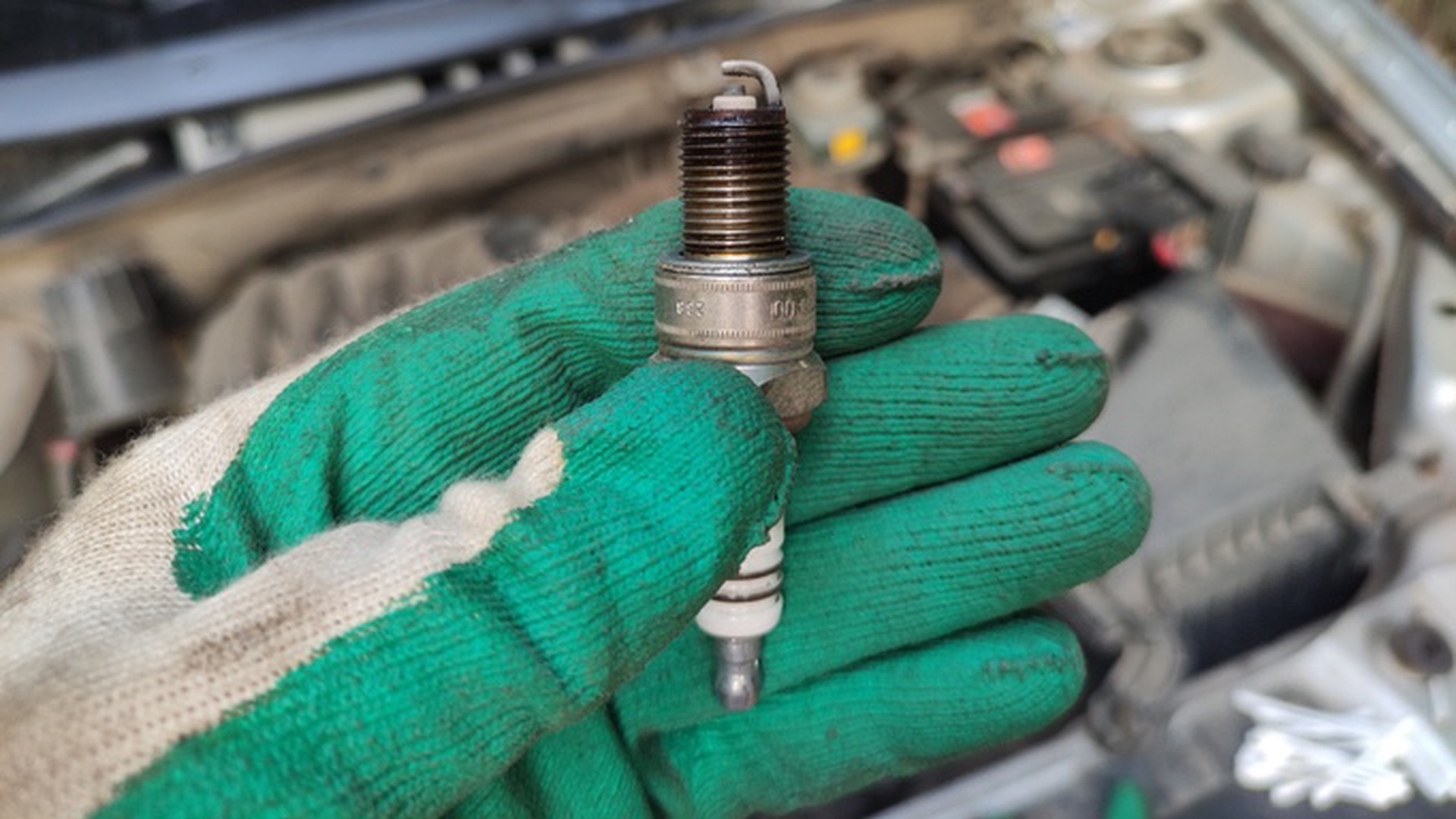
Recycled iridium comes from several key streams. One major source is spent chemical catalysts used in industrial production processes. Another is end-of-life electronics containing specialized iridium-bearing components. Additional volumes are recovered from high-performance alloys, crucibles, and other specialized industrial equipment. These materials often contain iridium concentrations far higher than those in mined ore, making them highly attractive feedstocks for advanced recovery operations. As a result, recycling achieves two things simultaneously. First, it expands effective supply in a market where mine output cannot easily grow. Second, it reduces dependence on the most geopolitically and infrastructurally vulnerable segments of the primary supply chain.
The rise of secondary recovery represents more than an incremental increase in available metal. It signals the emergence of a circular economy for one of the world’s scarcest industrial materials. In a linear system, iridium is mined, processed, manufactured into products, and eventually lost at the end of life. In a circular system, it is tracked, recovered, refined, and returned to productive use. This shift has immense implications for industries that cannot tolerate supply interruptions.
Closed-loop recovery models are especially important in sectors where iridium is used in high-value, specialized components. Chemical processing companies, electronics manufacturers, and advanced materials firms increasingly recognize spent catalysts and obsolete equipment not as waste, but as strategic metal reservoirs. By reclaiming iridium from their own product lifecycles, these industries can insulate themselves from price spikes and procurement bottlenecks.
This approach also changes the economics of manufacturing. When recovered iridium can be reintroduced into production streams, firms gain greater visibility over future material access. That improves planning, reduces exposure to spot-market volatility, and supports more resilient supply agreements.
Iridium has become one of the defining critical materials of the energy transition and advanced manufacturing era. Its unique properties make it indispensable, but its primary supply chain is too small, too rigid, and too concentrated to support rising demand on its own. With annual mine production limited to just a few tonnes and heavily dependent on unstable infrastructures and byproduct economics, the global market has little room for error. Recycling has emerged as the solution. At 24% penetration, secondary iridium recovery is no longer a peripheral sustainability initiative; it is the mechanism stabilizing global supply. By recovering metal from spent catalysts, electronics, and specialized industrial components, the market is building a more resilient and circular foundation for future growth.
The significance of this shift cannot be overstated. In iridium, circularity is not simply about reducing waste. It is about preserving the viability of the hydrogen economy, protecting advanced manufacturing, and ensuring that one of the world’s rarest and most critical materials remains available to power future technologies.