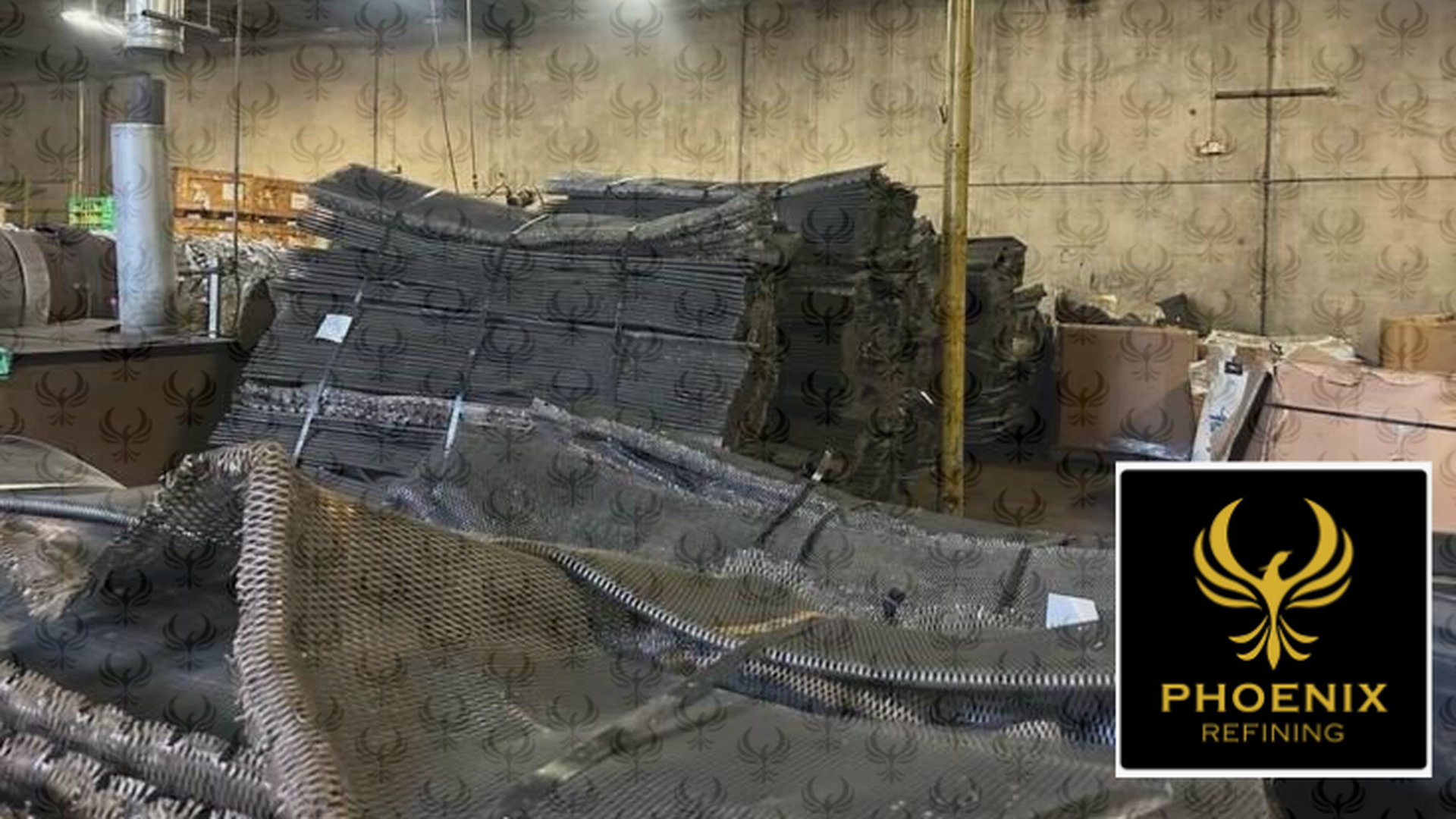
In electrochemical operations, a spent anode is not necessarily a spent asset. Titanium/ruthenium (Ti/Ru) mesh may lose its catalytic performance while retaining substantial value in its titanium structure and residual precious-metal coating. Treating that material as disposable scrap means losing out on potential value. Spent screen credit programs offer a better approach. By returning exhausted mesh assemblies to a qualified manufacturer or recycler, operators can recover value toward replacement electrodes or refurbish suitable substrates at a lower cost than purchasing entirely new assemblies. This closed-loop model connects maintenance, procurement, and materials recovery, helping facilities control expenditure, reduce waste, and lessen exposure to volatile metal markets.
Since their commercialization in the late 1960s, dimensionally stable anodes have become essential to chlor-alkali production, electrochlorination, wastewater treatment, and selected metal-recovery processes. Their construction combines two distinct functions: a titanium substrate provides mechanical support and distributes current, while a thin mixed metal oxide coating supplies the electrocatalytic activity.
In Ti/Ru mesh, ruthenium dioxide is commonly combined with titanium dioxide and, depending on the application, iridium oxide or other constituents. The coating promotes the desired electrochemical reaction while limiting the voltage needed to sustain production. The expanded titanium mesh provides a lightweight, corrosion-resistant structure with openings that support electrolyte circulation and gas release. Over time, catalyst dissolution, coating damage, and growth of an electrically resistive titanium oxide layer can reduce performance. Operators may observe rising cell voltage, declining output, or increased energy consumption. Crucially, these changes do not always mean the underlying mesh has reached the end of its useful life. A structurally sound substrate may be stripped, prepared, and recoated. Even when refurbishment is no longer practical, residual ruthenium, iridium, and recoverable titanium can retain recycling value. The economic opportunity lies in distinguishing electrochemical exhaustion from structural failure.
Closed-loop procurement generally follows two routes. The first is substrate refurbishment. A manufacturer inspects the returned screen and, if it meets the required acceptance criteria, removes the exhausted coating and applies a new catalytic layer. The operator avoids much of the expense associated with purchasing and fabricating a new titanium structure, although inspection, stripping, preparation, coating, and testing still carry costs.
The second is a return credit against replacement mesh. The supplier accepts the exhausted assembly and assigns a value based on its reusable components or recoverable metal content. That credit reduces the net purchase cost of the replacement order. Do not treat these arrangements as interchangeable. Recoating preserves the existing substrate; a recycling credit monetizes recoverable materials from an assembly that may never return to service.
Savings depend on mesh condition, original fabrication complexity, remaining catalyst content, processing charges, and current metal prices. Favorable refurbishment cases may approach the roughly 50% savings described in the supplied industry information, but this scenario is not universal. Likewise, confirm a fixed trade-in discount in a supplier quotation rather than assuming it. The relevant comparison is the total installed lifecycle cost: replacement or refurbishment charges, less the return credit, plus transportation, testing, downtime, and any required spare inventory.
A credit program only creates lasting value if the replacement or refurbished electrode delivers dependable performance. Returned screens therefore require an engineering assessment of strand thickness, pitting, distortion, weld integrity, and previous service history. Do not recoat severely damaged mesh simply because some titanium remains. Acceptance limits must reflect the actual component design and operating environment. For suitable substrates, refurbishment involves controlled coating removal, surface preparation, application of fresh catalyst precursors, repeated thermal treatment, and final verification. Fine mesh demands particular care: aggressive stripping or abrasive treatment can damage thin strands, while poorly controlled chemical processing can compromise the titanium.
Quality assurance should verify catalyst loading and uniformity, dimensional condition, electrical connections, and electrochemical performance appropriate to the application. X-ray fluorescence and representative accelerated-life testing can support this assessment. Repeated refurbishment also has limits. Material removal, accumulated handling damage, corrosion, and thermal exposure can eventually make reuse unsuitable. No single recoating-cycle limit applies to every titanium mesh. Traceable inspection and processing records are more useful than an arbitrary promise of indefinite reuse. When refurbishment is rejected, qualified recovery facilities can process the remaining coating and titanium through appropriate recycling routes. Recovery yields and settlement values depend on the actual material and process, not merely the original coating specification.
The closed-loop advantage extends beyond the replacement invoice. A deteriorating anode may require higher voltage to maintain current. At constant current, electrical power increases directly with voltage; if current efficiency also declines, energy consumption per unit of product can worsen further. Timely replacement or recoating can therefore reduce maintenance costs and avoid unnecessary operating expenditure.
This is especially important in electrochlorination, where reliable disinfectant production depends on predictable electrode performance. Procurement decisions should consider energy per unit of chlorine produced, service life, and production continuity, not purchase price alone.
Materials security adds another incentive. Ruthenium and iridium are scarce platinum group metals with geographically concentrated supplies, and production is largely linked to other mined metals. Returning spent coatings helps develop secondary supply and can reduce dependence on newly extracted material. It does not eliminate price volatility, particularly when a substantial catalyst has already been lost during service, but it improves resource utilization. Reusing titanium also avoids much of the upstream processing required for a new substrate. Primary titanium production involves energy-intensive extraction, refining, melting, rolling, and fabrication. Preserving an existing mesh can reduce demand for those activities, although the net environmental benefit must account for stripping chemicals, furnace energy, transport, and waste treatment.
The strongest programs establish return terms before the original electrode enters service. Contracts should specify ownership of recovered metals, inspection criteria, credit calculations, assay procedures, processing fees, turnaround times, and warranty coverage. Operators should also plan compliant transport of chemically contaminated screens and maintain sufficient replacement inventory to avoid production interruptions.
Spent Ti/Ru mesh should ultimately be managed as a recoverable industrial asset, not an automatic disposal liability. By pairing sound engineering with transparent commercial terms, spent screen credits can help finance replacement electrodes while preserving valuable materials. The result is a practical closed-loop advantage: lower lifecycle costs, stronger supply resilience, and less waste without compromising electrochemical performance.