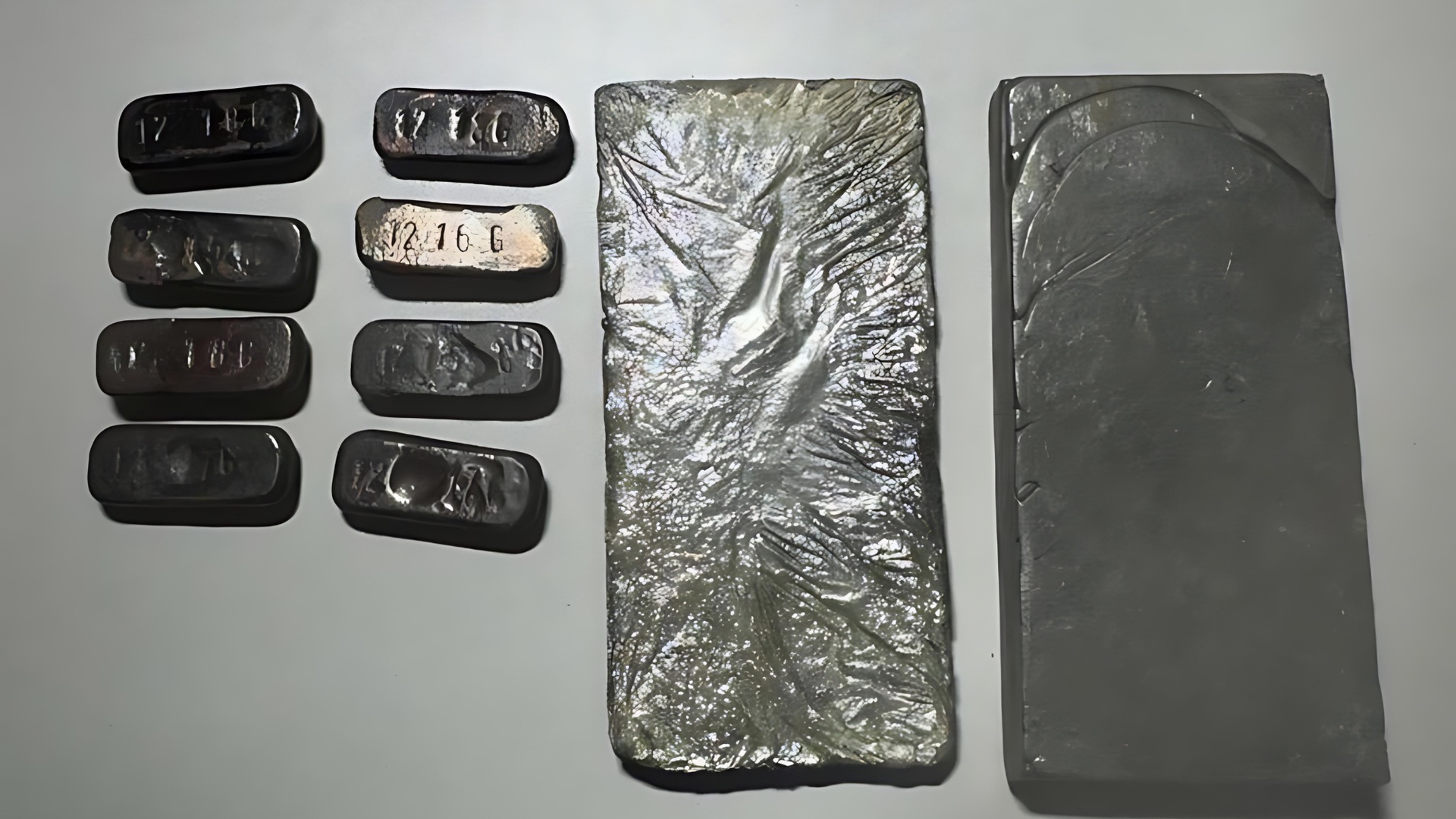
Rhodium has experienced one of the most significant price fluctuations in modern commodity history, peaking at nearly $29,800 per ounce in March 2021 before stabilizing between $4,400 and $4,750 by late 2024. This dramatic rise and fall are not merely cyclical corrections; they reflect bigger structural changes and misalignments within the global market for rhodium, a precious metal essential in various industrial applications.
The groundwork for rhodium's rapid increase was established long before the surge following the COVID-19 pandemic. The platinum group metals (PGM) sector faced significant challenges, particularly as South African mining, responsible for over 80% of the world's rhodium supply, struggled with underinvestment, geological depletion, and labor unrest. Moreover, stringent environmental regulations played a crucial role in escalating demand for rhodium. The implementation of China’s 6a and imminent 6b vehicle emissions standards necessitated higher rhodium loadings in internal combustion engine (ICE) vehicles since rhodium is the most effective metal for reducing nitrogen oxides (NOx) in exhaust emissions. This demand surge was particularly pronounced in China.
The situation reached a critical point with the unexpected failure of Anglo American Platinum’s (Amplats) Converter Plant (ACP) in Rustenburg, which sharply reduced global rhodium refining capacity. The resultant force majeure declarations led to a disruption in metal supply, driving prices from $6,000 to an astonishing $29,800 per ounce.
However, it's important to note that only a limited quantity of rhodium transactions occurred at these peak price levels. The market's largely illiquid and opaque nature, characterized by contract-based trading rather than spot liquidity, suggests that the price spike was as much a psychological phenomenon as a reflection of actual supply and demand conditions. Regardless, it set a precarious precedent, cultivating an environment of oversupply expectations that the market ultimately could not sustain.
Arguably, the most underappreciated driver in rhodium’s collapse was the transformation of the global fiberglass industry, once a steady consumer of 8–10% of annual rhodium output, into a potent, unmodeled secondary supplier. At $29,800/oz, rhodium’s presence in alloy-based glass extrusion bushings shifted from manageable expense to existential threat for manufacturers. Chinese market leaders like China Jushi and Shandong Fiberglass Group spearheaded a rapid R&D arms race, developing strengthened platinum alloys and ceramic alternatives that dramatically reduced or eliminated rhodium content.
But this substitution wave did not merely reduce demand; it reversed it. As older, rhodium-laden bushings were replaced, companies decommissioned and monetized large stores of metal. The result: a “hidden mine” of secondary rhodium flooding the market. In disclosures, companies like Shandong Fiberglass and China Jushi reported hundreds of millions of yuan in profits from these sales, transforming rhodium from a cost center to a revenue bonanza. In 2023 alone, Johnson Matthey attributed the bulk of the price collapse to this industrial liquidation: institutional consumers selling rather than buying, sabotaging spot market equilibrium, and brute-forcing spot prices down by over 60% within a year.
Faced with unsustainable metal costs, OEMs and catalyst suppliers like Johnson Matthey and Umicore invested in “thrifting” techniques, catalytic innovations that stretched rhodium effectiveness through superior washcoat design and integration with palladium. Although rhodium has unrivaled efficacy, thrifting enabled up to 50% reductions in metal use without breaching emission regulations.
Simultaneously, the global adoption of Battery Electric Vehicles (BEVs) dealt a structural blow. By 2024, BEVs accounted for over 30% of new monthly car sales in China. As BEVs require no PGMs for emissions control, their rise effectively erased one-third of the addressable market in the world's largest auto region. Even the long-anticipated China 6b legislation in July 2023 proved a “non-event.” Automakers had already over-engineered compliance during earlier price peaks, and the introduction of stricter standards did not prompt new buying or increased loadings.
Compounding downward pressure was the delayed recovery of rhodium refining in South Africa. As the ACP was repaired, Amplats began systematically unwinding its vast stockpile of Work-in-Progress (WIP) material that had accumulated during the outage.
This served as an invisible primary supply of metal that had already been mined but was entering the market belatedly. While official production showed a 'deficit', liquidity remained flush, thwarting any bullish price response to temporary mining disruptions.
Adding to the dilemma was mining inflexibility. PGM operations are capital- and labor-intensive, with socio-political dynamics in South Africa making shutdowns difficult. Even as rhodium fell below $5,000, well under the all-in sustaining cost for marginal production, producers continued to output, striving to offset fixed costs and social commitments. Only by late 2025 did restructuring programs gain traction, including mothballing underperforming shafts and halting expansions like Two Rivers Merensky Phase 2.
Normally, collapsing prices would slow recycling as scrap holders hold out for recovery. In 2023–2024, this dynamic was partially evident: scrap yards and collectors delayed the sale of autocatalysts purchased during the high-price era. However, this bullish supply restriction failed to materialize. Why? The recycling stream from the glass sector filled the gap. Glass bushings, with their high purity and straightforward refining process, offered superior refining economics. Refiners sidestepped the converter market in favor of easier volumes.
Additionally, China’s domestic recycling has matured. Early ICE vehicles reached the end of their lifespans, and new government incentives accelerated retirements. With rising internal collection, China reduced import dependence, weakening global spot price sensitivity to external flows.
Rhodium’s saga from 2020 to 2025 offers a textbook case of a commodity market governed not solely by geological constraints but also by behavioral economics, technology, and strategic foresight.
The crash was not a failure of the market but a triumph of its self-correcting dynamics. At $29,800, rhodium was valued as if it were a monopolistic necessity. In reality, it was like all commodities vulnerable to substitution, innovation, and the creative destruction that defines capitalism at its finest.
The rhodium market has now entered what analysts dub a “utility pricing regime,” not priced on fear of scarcity but on its actual functional value. It is a humbling, yet ultimately healthy, return to rationality.