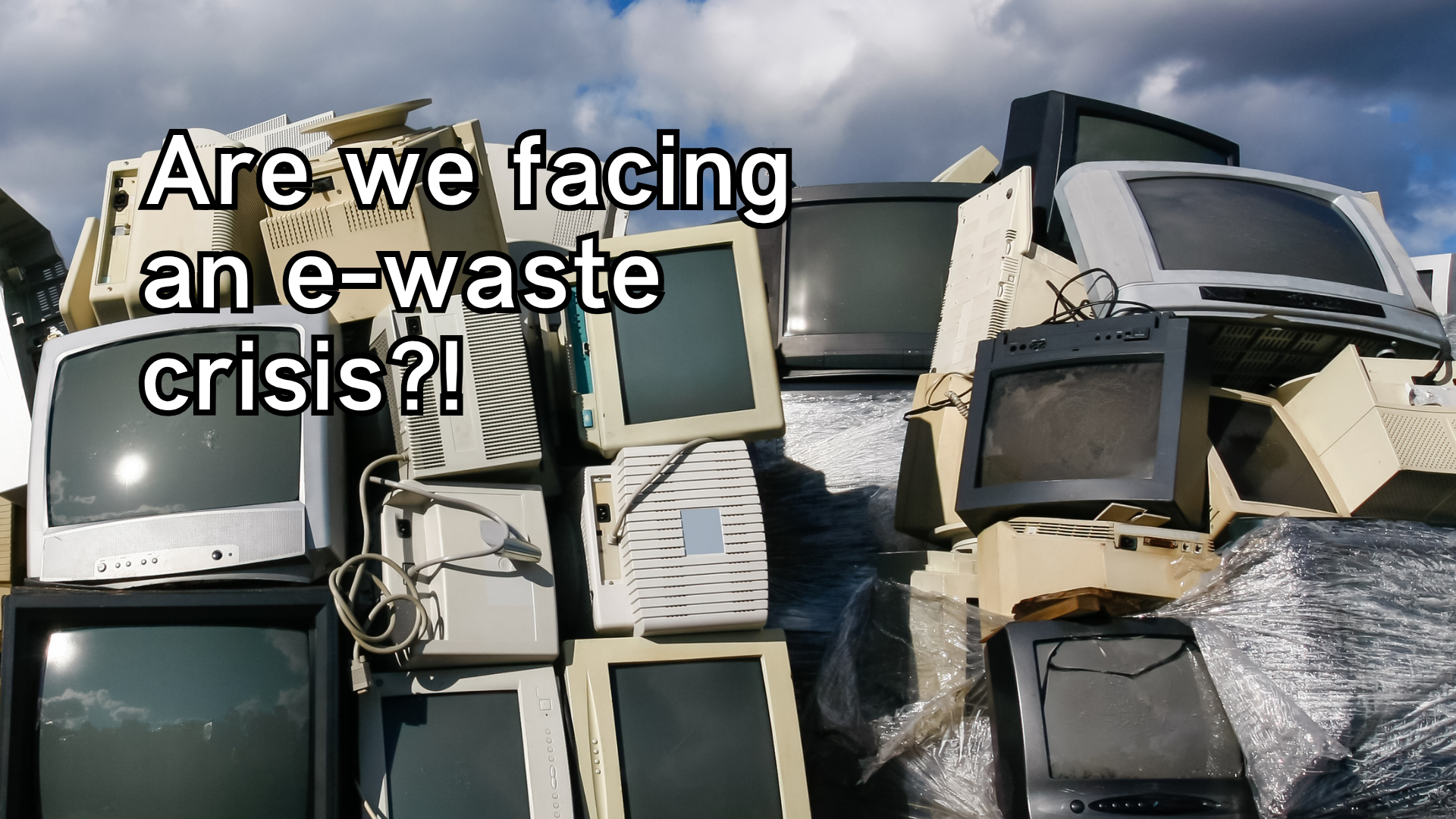
The global waste crisis is a major environmental concern, and one of the fastest-growing segments of this issue is e-waste. Electronic waste, or e-waste, refers to discarded electrical and electronic products that contain both valuable and hazardous materials. This growing stream of waste has significant environmental and social implications, and it’s clear that we are not doing enough to address the problem.
The sheer scale of e-waste generation is staggering and continues to grow year by year. In 2014, an estimated 41.8 million metric tons of e-waste were discarded globally. That number was predicted to rise to 50 million metric tons by 2018, with no sign of leveling off anytime soon. The rise of technology in everyday life, increased consumer spending, and the rapid turnover of electronic devices all contribute to this alarming growth. As manufacturers produce new products and old ones become obsolete, they generate exponentially more e-waste.
Rapid technological innovation is a major driver of this increase. Take, for example, the shift in mobile phones. A 1987 Nokia Cityman phone weighed 770 grams and contained only a few elements. Compare this model to a modern smartphone, which weighs about 100 grams but contains over 40 different elements, reflecting the many functions these devices can perform today. This technological complexity means that more valuable metals and hazardous materials are being disposed of as phones and other electronics reach the end of their life cycle.
With e-waste generated at an alarming rate, the next question is where it goes once it has outlived its usefulness. The primary disposal methods for end-of-life (EoL) electronics include landfills, incineration, informal and formal recycling, and reuse through second-hand markets.
One of the most concerning statistics is that nearly half of the 1.8 billion new cell phones purchased in 2014 are expected to end up “hibernating” in drawers, forgotten and never properly disposed of. This is due in part to the lack of effective collection and recycling systems for electronics, especially in countries like the U.S. In fact, the U.S. has no national collection program, and recycling efforts vary from state to state, with many states lacking proper infrastructure.
In contrast, regions like the European Union and Japan have somewhat more effective collection systems. However, in non-OECD countries such as China and Nigeria, formal e-waste collection remains limited, and much of the recycling occurs informally. In some cases, e-waste is exported to countries where it is dismantled by hand or burned to recover small amounts of valuable metals such as copper and gold. But this informal recycling often poses severe environmental and health risks to those involved, as toxic chemicals and heavy metals can leach into the soil and air.
The fate of e-waste is often far from ideal. Landfills, the most common disposal method for e-waste worldwide, pose significant environmental risks. Landfills not only take up valuable space but also leak harmful substances into the surrounding environment. This can result in contamination of soil and water sources, affecting both wildlife and local communities.
In some OECD nations, regulations have been implemented to ensure that e-waste is properly managed and disposed of to minimize environmental harm. Unfortunately, enforcement in non-OECD nations is often weak, and many landfills in these regions are poorly maintained, sometimes turning into open dumps. Without proper oversight, these dumps can become a source of ongoing environmental contamination and human exposure to toxic materials.
Another method of disposal is incineration, which is becoming more common worldwide due to its space-saving capacity. However, this method also comes with its set of problems. The high temperatures required for incineration consume large amounts of energy, often sourced from coal combustion, which releases harmful emissions, including carbon dioxide and heavy metals. The ash produced from incineration can contain valuable metals but also poses environmental risks if not managed properly. While some European countries are working to recover base metals like steel and copper from incineration ash, recovering precious metals remains a complex and challenging task.
The growing scale of e-waste presents an urgent challenge for global waste management systems. As the volume of electronic products discarded each year increases, we must find more sustainable ways to manage their disposal and recycling. This includes improving collection systems, advancing recycling technologies, and ensuring that we dispose of e-waste in an environmentally responsible manner.
One promising solution lies in improving formal recycling systems in both OECD and non-OECD nations. By investing in better infrastructure, we can reduce the amount of e-waste that ends up in landfills or is burned in informal recycling operations. Additionally, encouraging manufacturers to design products that are easier to recycle and contain fewer toxic materials could help to mitigate the environmental impact of e-waste.
Ultimately, the problem of e-waste is complex and requires coordinated efforts from governments, industries, and consumers alike. With increased awareness and more effective policies, we can take steps toward a more sustainable future in which electronic products are disposed of responsibly and valuable resources are recovered rather than lost.