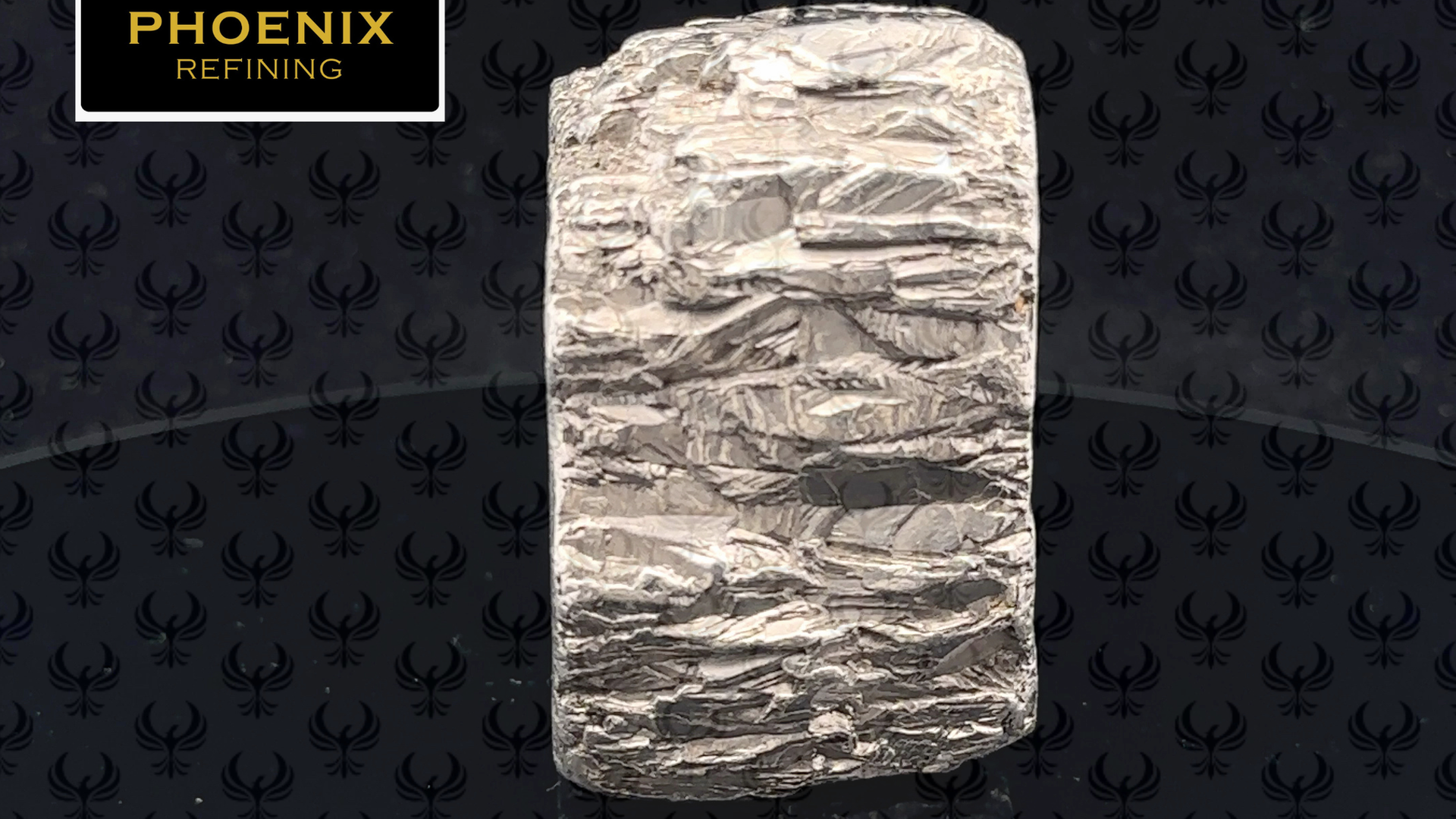
Spent industrial anodes can retain valuable metals long after they stop operating efficiently. At Phoenix Refining, we buy ruthenium-tantalum and ruthenium-tin mixed oxide coatings, including coated titanium anodes, retired electrode assemblies, and qualifying manufacturing scrap.
These materials serve demanding electrochemical applications, from chlorine production and water treatment to metal recovery and specialized industrial processing. Although we engineer their catalytic coatings for durability, prolonged operation eventually causes electrical resistance, physical deterioration, or declining activity. Retirement, however, does not necessarily mean their recoverable ruthenium is exhausted. We help industrial operators, equipment manufacturers, maintenance contractors, and scrap suppliers assess that remaining value and return recoverable metals to productive use.
Mixed metal oxide coatings, commonly known as MMO coatings, are electrocatalytic layers applied to conductive substrates, most often titanium. These electrodes are frequently described as dimensionally stable anodes. DSA® is a registered trademark of De Nora, a pioneer in commercializing this technology.
Before coated titanium anodes became established, many industrial electrolysis processes relied on graphite electrodes. Graphite gradually wears away during operation, changing electrode dimensions and introducing carbonaceous material into the electrolyte. MMO-coated titanium anodes maintain their dimensions more effectively, while their catalytic surfaces help reduce the voltage required for selected electrochemical reactions. The coatings combine an active metal oxide with other oxides that influence durability, conductivity, cost, and electrochemical performance. Their composition varies by application, making accurate material identification essential for recycling and valuation.
Ruthenium-tantalum coatings generally combine ruthenium dioxide (RuO₂) with tantalum pentoxide (Ta₂O₅). Ruthenium dioxide provides high catalytic activity, particularly for chlorine evolution and, under suitable conditions, oxygen evolution. Tantalum pentoxide helps stabilize the coating structure and improve resistance to aggressive operating environments.
The balance between catalytic activity and durability depends on the formulation. The relative proportions of ruthenium and tantalum, coating thickness, substrate preparation, and manufacturing temperature all influence electrode performance. Commercial coatings may also contain iridium, titanium, or other elements selected for particular operating conditions. For recycling purposes, these differences matter. A ruthenium-tantalum anode should not be valued solely by its dimensions, appearance, or original purchase price. Assess the remaining recoverable metal content, especially after years of exposure to corrosive electrolytes and electrical loading.
Ruthenium-tin coatings combine ruthenium dioxide with tin dioxide, or SnO₂. Tin oxide can help disperse the catalytic phase, modify the coating structure, and reduce the proportion of expensive precious metal required. Its effect on conductivity and service life depends on the overall composition and manufacturing method.
These coatings may also form part of more complex systems containing tantalum, iridium, or titanium oxides. Such formulations are used in selected chlorine-generation, water-treatment, and industrial electrochemical applications. Two electrodes with similar black or dark-gray surfaces can contain very different quantities of ruthenium. Surface wear and deposits further complicate visual identification. Manufacturer information can support an initial review, but testing is needed to establish a reliable basis for purchasing.
An anode's operating performance does not directly reflect its remaining precious metal content. Industrial operators typically retire electrodes when rising cell voltage, declining efficiency, contamination, or physical damage makes continued service uneconomical. Several mechanisms can produce these problems without removing the entire catalytic coating. One important mechanism is passivation of the titanium substrate. The electrolyte can penetrate pores, defects, or cracks in the coating and reach the underlying titanium. An electrically resistive titanium oxide layer may then develop at the interface between the substrate and coating. As resistance increases, the electrode becomes less efficient even where catalytic material remains.
Physical deterioration can also shorten service life. Gas evolution, thermal cycling, mechanical stress, and weakening adhesion can cause coating delamination or spalling. Meanwhile, deposits and contaminants may obstruct active surfaces, reducing performance without consuming all the underlying metals. Ruthenium dissolution is another possible source of degradation, especially under strongly oxidizing conditions. The amount lost depends on electrolyte chemistry, temperature, current density, and coating formulation. Some spent electrodes retain commercially recoverable ruthenium, while others may be extensively depleted. Therefore, no universal residual metal content or guaranteed scrap value applies to a failed anode. Each lot requires assessment based on its actual condition and composition.
The chlor-alkali industry is a major user of ruthenium-based MMO anodes. Electrodes used in chlorine-related manufacturing operate in aggressive environments and are periodically removed for inspection, refurbishment, replacement, or plant upgrades. Large maintenance turnarounds can generate substantial quantities of coated titanium assemblies that merit evaluation for precious metal recovery rather than sale solely by titanium weight.
Water-treatment operations provide another source. Electrochlorination, seawater disinfection, swimming pool sanitation, and industrial wastewater treatment employ various coated titanium electrode systems. Some ruthenium-containing formulations also treat organic contaminants electrochemically. Their recycling value varies with coating loading, service history, and remaining metal content.
Electrowinning and metal-recovery facilities use anodes selected for their specific electrolytes and reaction conditions. These may include ruthenium-bearing coatings, although other systems, such as iridium-tantalum oxides, are also important. Acid exposure, surface deposits, cleaning cycles, and electrical loading can contribute to retirement, making composition testing essential.
Electroplating and printed circuit board manufacturing also generate coated titanium electrode scrap. Not every anode from these operations contains ruthenium; some rely primarily on iridium or platinum. Proper identification helps determine the appropriate recovery route and commercial terms. Impressed current cathodic protection systems are another source of MMO material. These anodes protect pipelines, marine structures, storage facilities, and reinforced concrete against corrosion. Although they can have long service lives, infrastructure upgrades and decommissioning may release coated titanium for recycling. Recovery economics depend on coating loading, accessibility, contamination, and collection costs.
The purchase price of a new anode is not a reliable guide to its end-of-life value. New equipment pricing includes substrate fabrication, coating application, engineering, quality control, and manufacturer margins. Scrap valuation instead focuses on recoverable materials and the costs of obtaining them.
Key considerations include remaining ruthenium content, the presence of other payable precious metals, coating composition, lot size, and consistency. Contamination can increase treatment costs or require special shipping. The condition of the titanium substrate also influences whether refurbishment, recoating, or titanium recycling is practical. Current metal prices and agreed recovery terms affect the final settlement. The presence of tantalum or tin does not automatically mean that either metal will receive a separate payment; the final decision depends on concentration, recoverability, and the applicable commercial arrangement.
To begin an evaluation, provide photographs, approximate weight and dimensions, the material's location, and any known coating specifications. Manufacturer details, previous assay results, operating history, and information about contamination or deposits can help establish the next steps. It is also useful to indicate whether the material represents a one-time disposal or a recurring supply.
A failed anode should not automatically be treated as low-value titanium scrap. Its remaining coating may contain recoverable ruthenium or other precious metals. Contact Phoenix Refining to discuss assessing and purchasing your ruthenium-tantalum and ruthenium-tin mixed oxide coatings.